Rising fuel prices, tighter emissions rules, and the push to recover low-grade thermal energy are reshaping how plants produce 60–120 °C hot water. The real procurement challenge is not a catalog line that says “up to 90 °C”—it is finding a partner that can engineer around your actual heat source, process profile, electrical standard, controls, and site constraints.
This guide explains application fit, air vs. water source logic, boiler replacement boundaries, ROI thinking, and how to evaluate a high temperature heat pump manufacturer in China before you commit CAPEX.
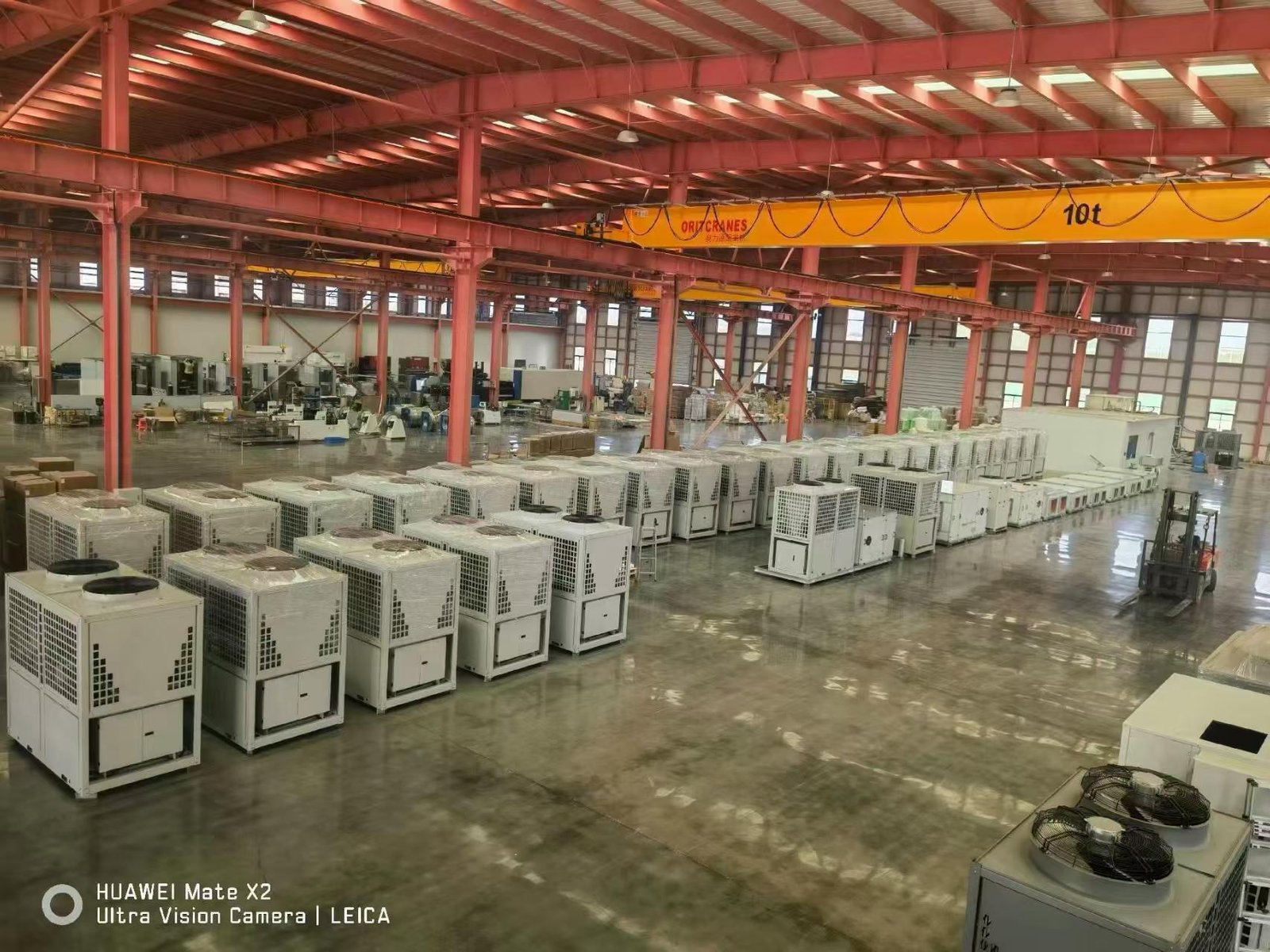
When duty is hot water, not high-pressure steam, a heat pump can often carry continuous base load while the legacy boiler covers peaks or true steam-specific duty—fuel down, retrofit risk controlled.
Warm wastewater, cooling tower return, condenser loops, and exhaust streams become feed energy. Stable source temperature and long annual hours typically deliver the strongest payback story.
Industrial HTHP uses the same vapor-compression idea as comfort HP—but with higher discharge pressure, industrial exchangers, and refrigerants matched to target lift (R134a, R245fa, R1234ze, R1233zd, etc.).
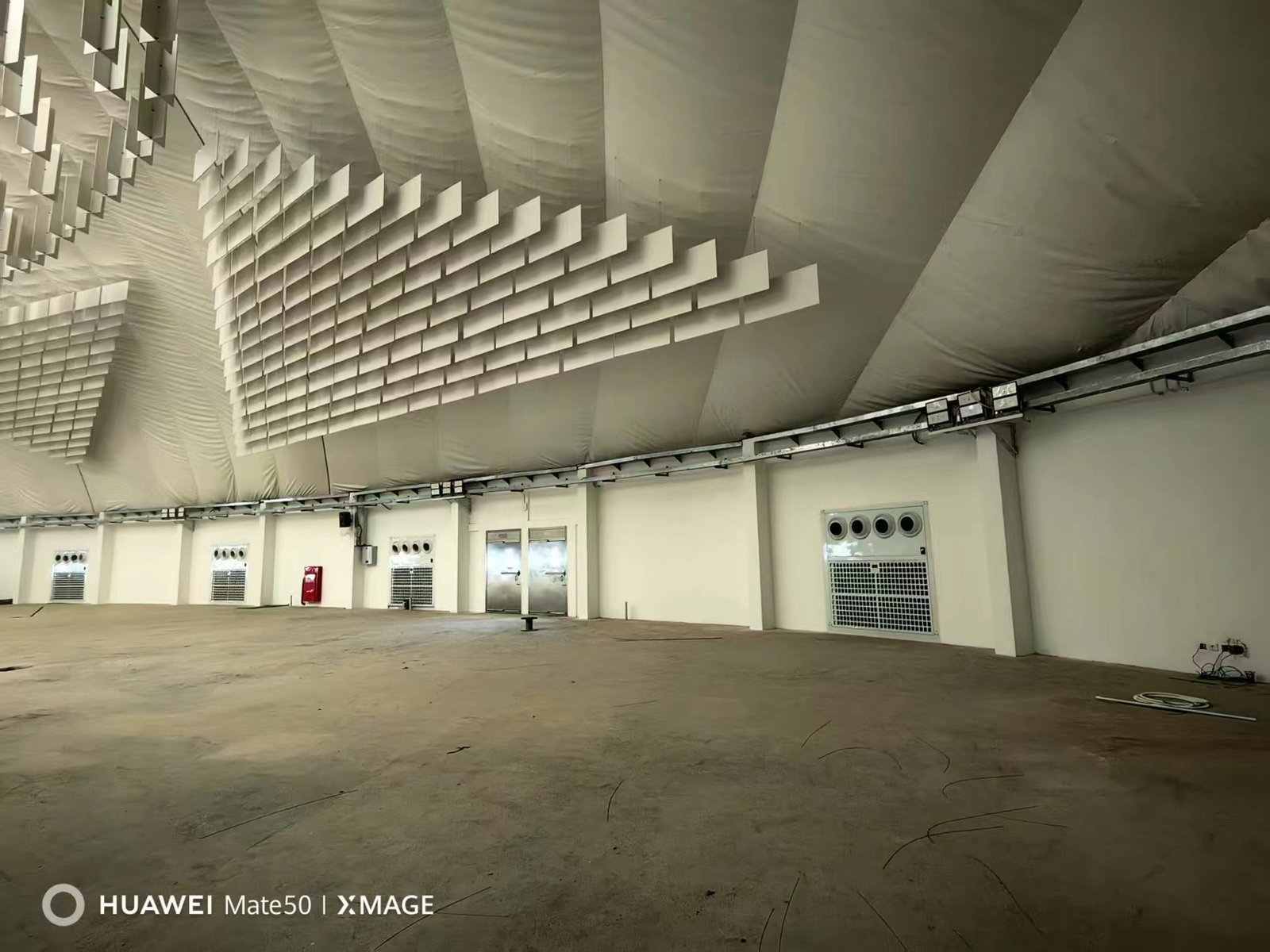
Comfort systems often deliver 45–55 °C water. Industrial high temperature designs target 65 °C up to ~120 °C depending on refrigerant, compressor selection, and source conditions—covering cleaning, CIP, washing, pasteurization, drying support, and return-water upgrading below the steam threshold.
Higher lift demands industrial-grade heat exchangers, careful refrigerant matching, and stable control—otherwise catalog COP at rated conditions will not survive your real operating map.
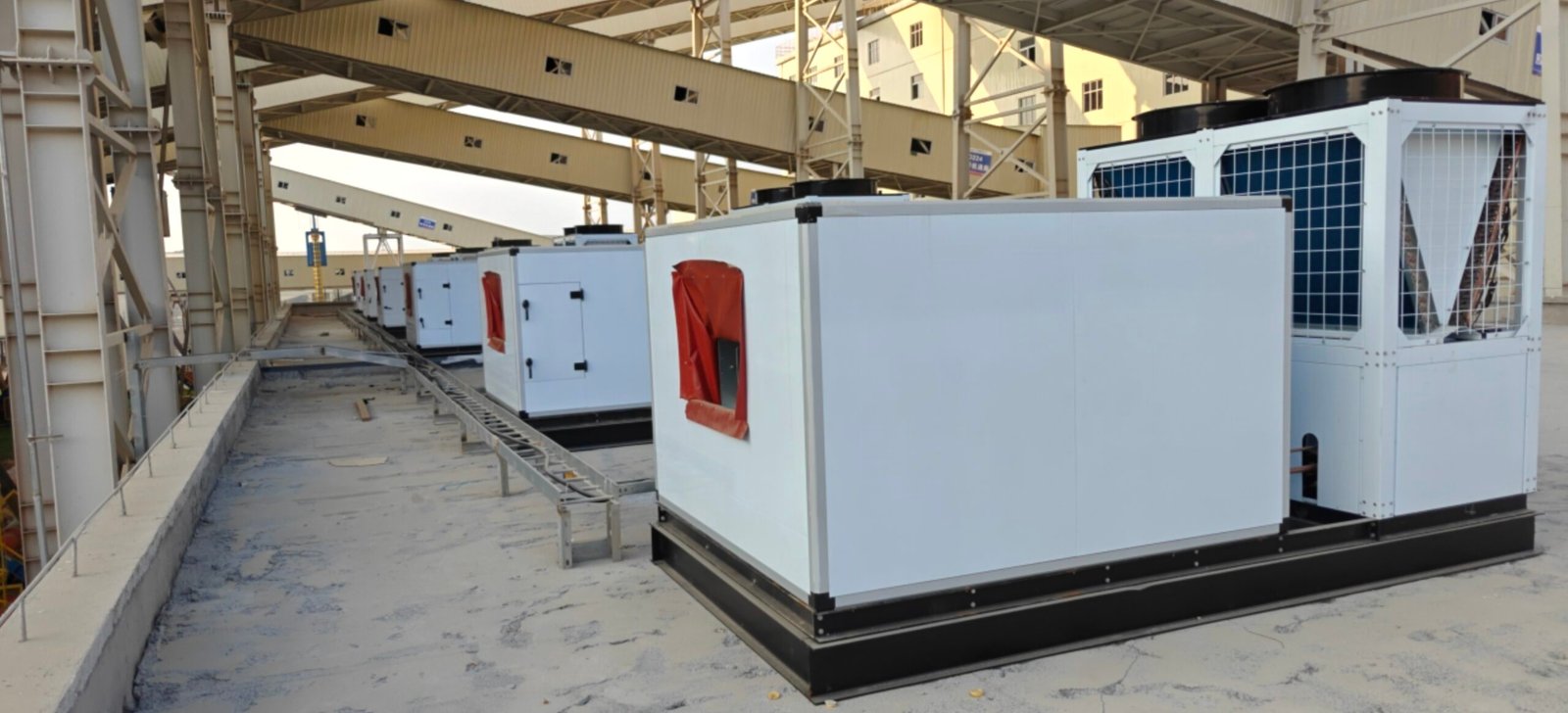
Platforms such as R134a, R245fa, R1234ze, R1233zd trade off maximum outlet, efficiency, cost, and regulatory acceptance. Export projects into F-gas–sensitive regions increasingly favor low-GWP paths when temperature and efficiency still close.
Newer R1233zd / R245fa configurations can push toward 105–120 °C and low-pressure steam–class duty for textiles, building materials, paper, and food—when the source temperature and flows are honestly modeled.
Air source fits packaged boiler replacement, resorts, district-style DHW, and plants with outdoor space but no stable warm-water stream. Water source wins when you have reliable 25–60 °C wastewater, geo/brine, cooling tower return, or process loops—typically higher COP and more predictable annual performance.
| Topic | Air source | Water source |
|---|---|---|
| Heat acquisition | Ambient air; simpler site logistics | Wastewater, tower return, process return, groundwater (filtered) |
| Stability | Cold ambient needs low-ambient design margin | Often best COP when source is warm year-round |
| Typical fit | No reliable low-grade water stream; outdoor footprint OK | Waste heat recovery, long runtime, narrow lift when source is warm |
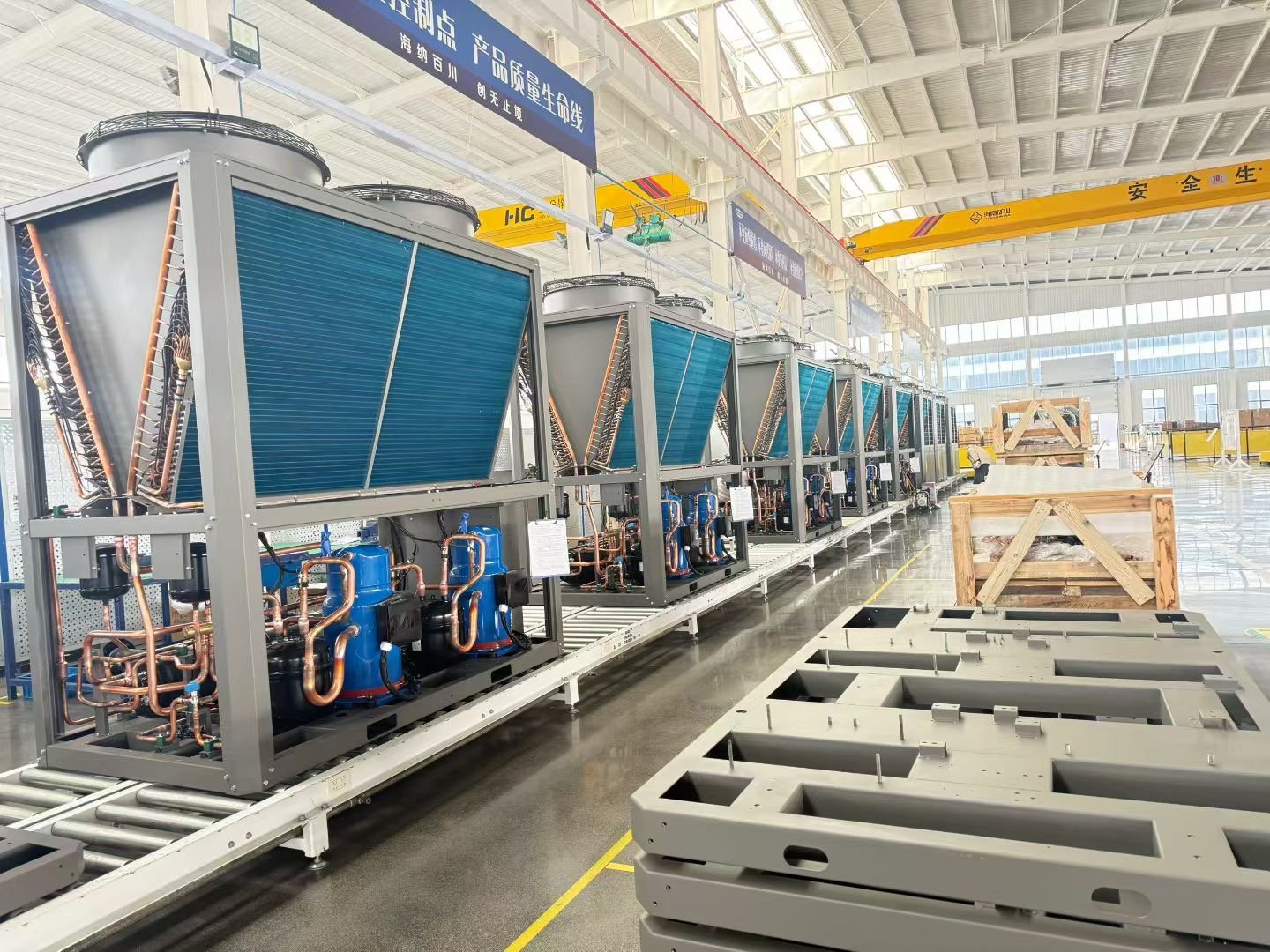
Strong fit: process hot water, CIP, preheat, drying support, waste-heat upgrading—especially with many annual operating hours and stable demand.
Weak as “solo” solution: very high-temperature direct firing, high-pressure saturated steam as primary utility, extreme peaks with instant response. There, heat pump for base + boiler for peak/steam is usually the credible path.
Demand a load profile analysis before accepting any claim of “full boiler replacement.”
A serious supplier should speak your process language: pasteurization vs. dye bath vs. curing curve—not only kW and °C on a PDF. For broader factory context, see industrial HVAC solutions on the applications side.
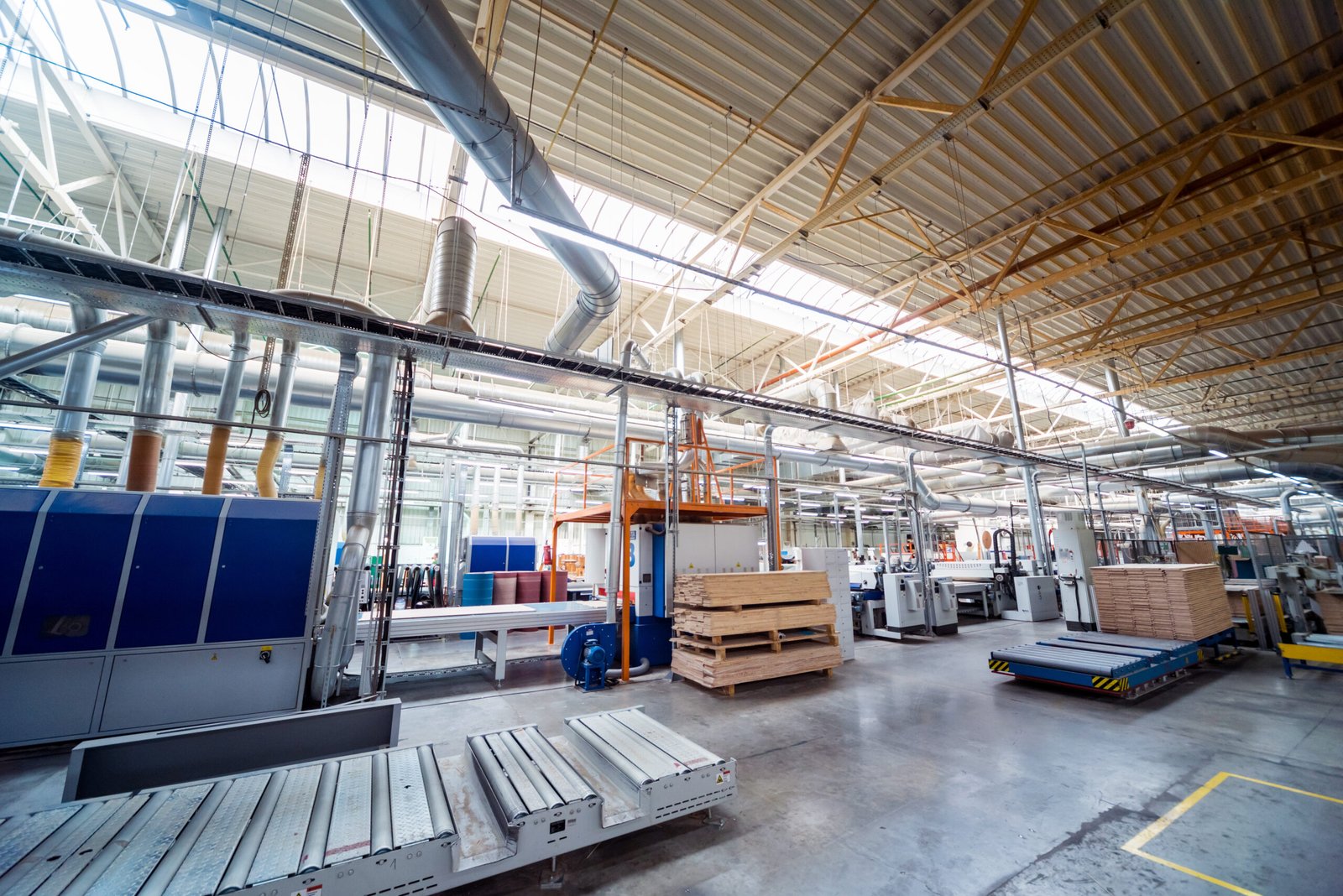
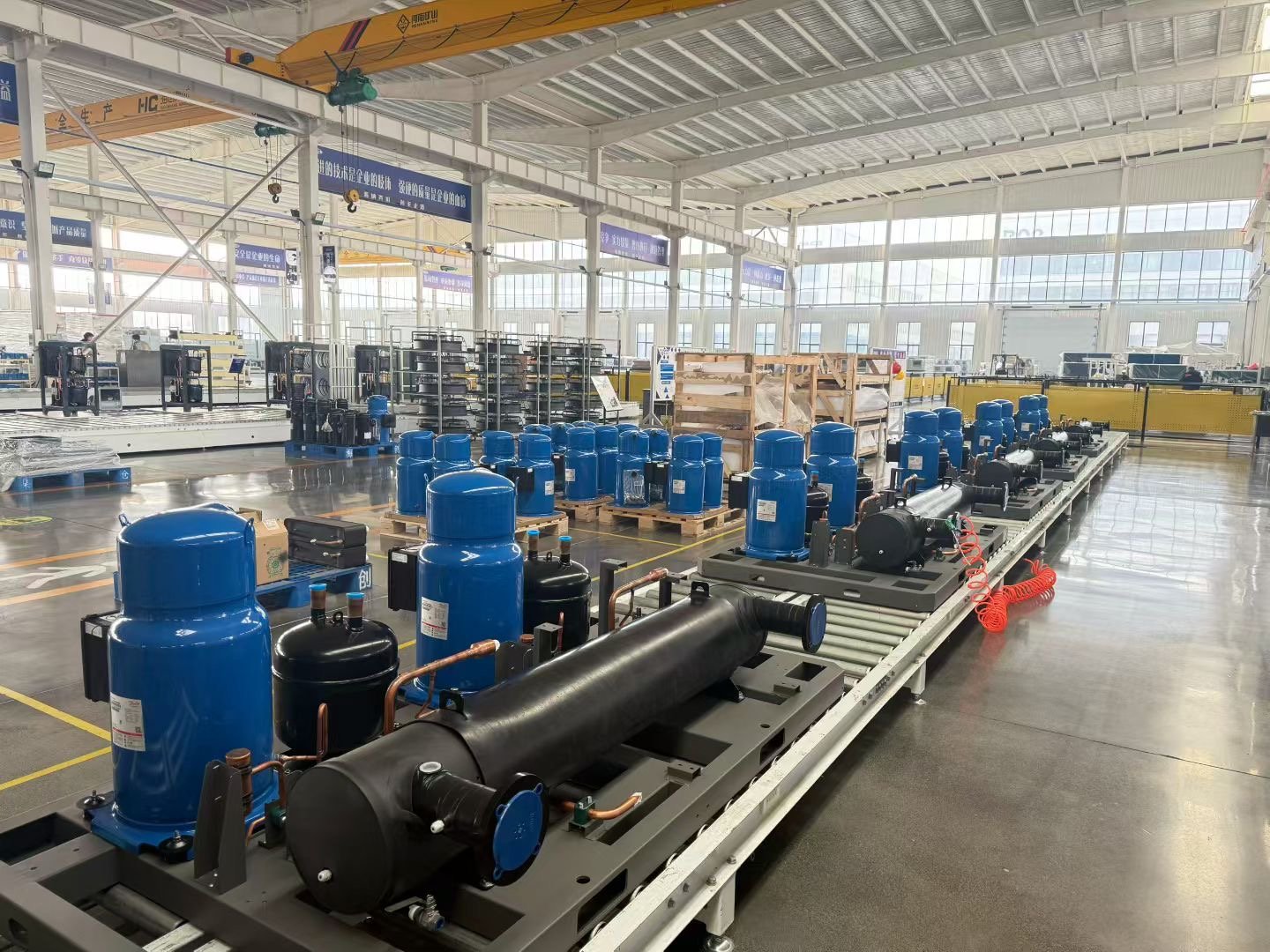
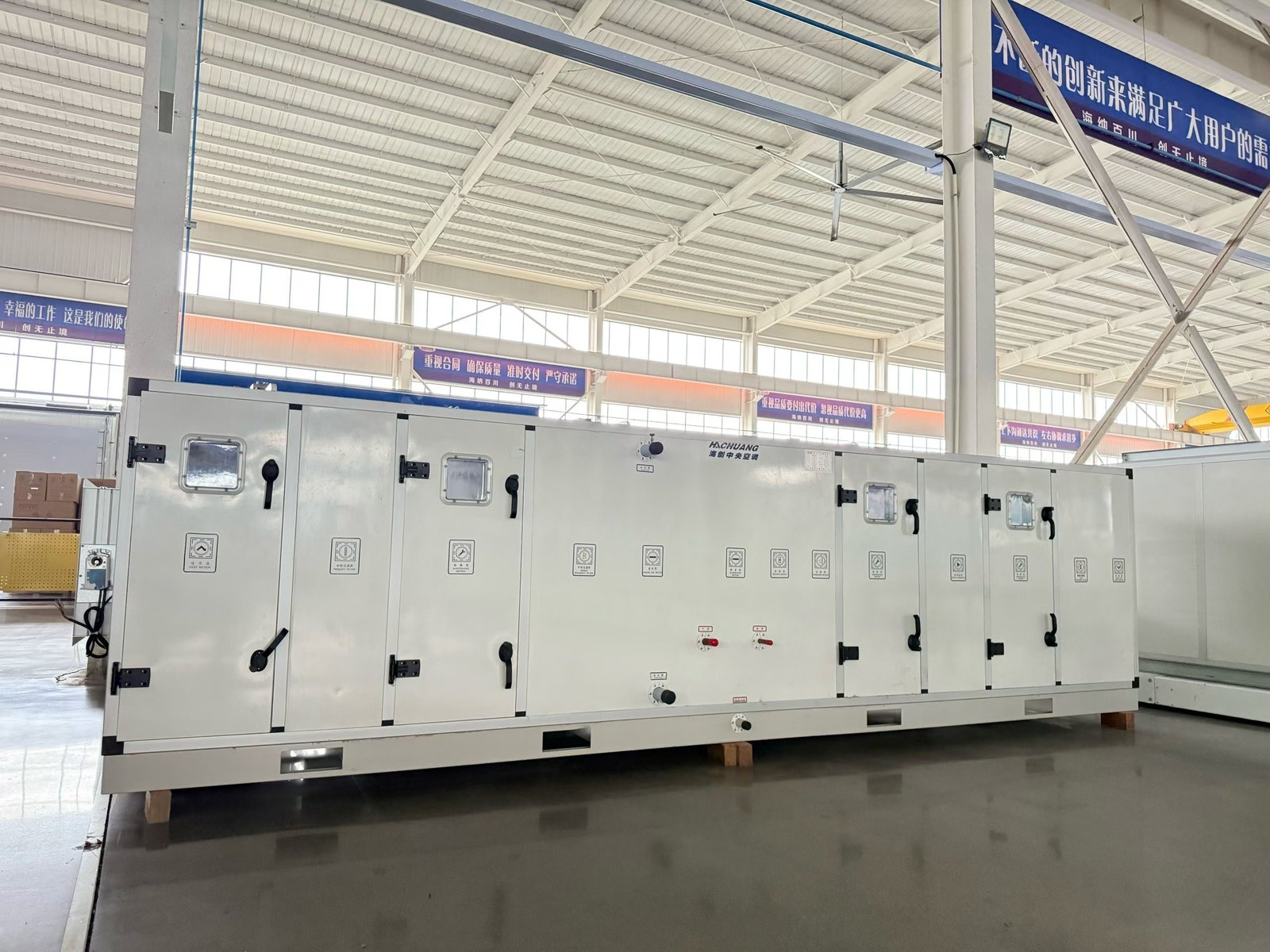
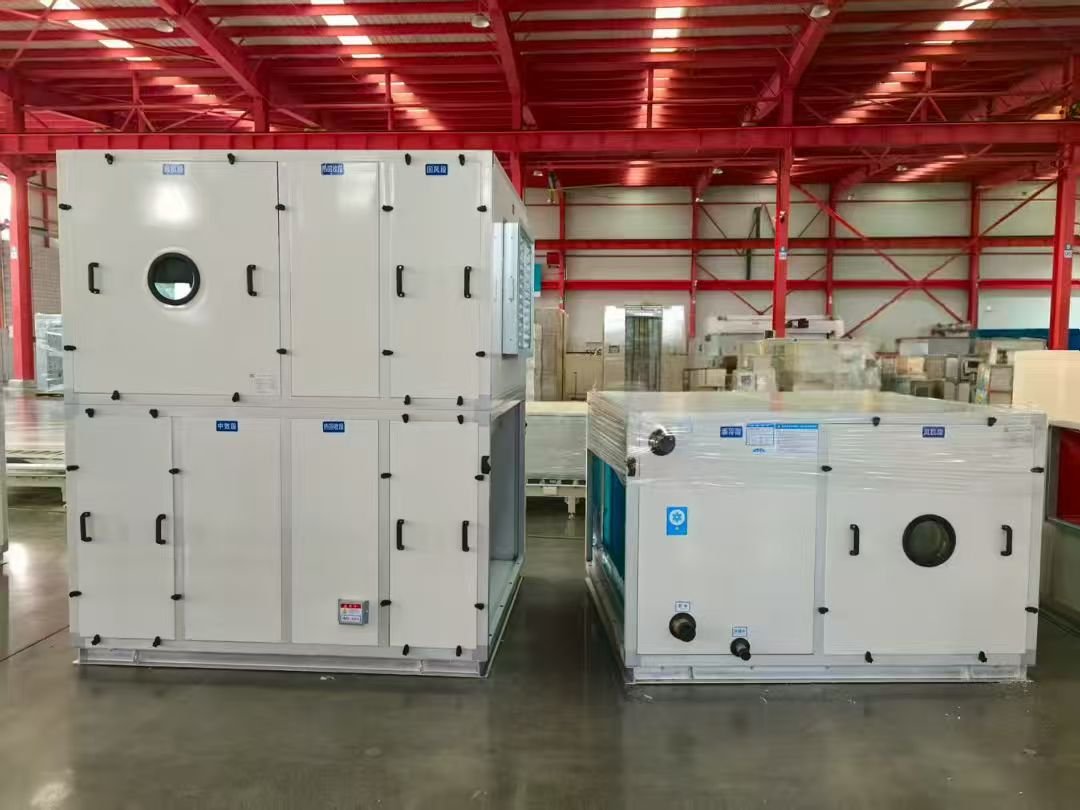

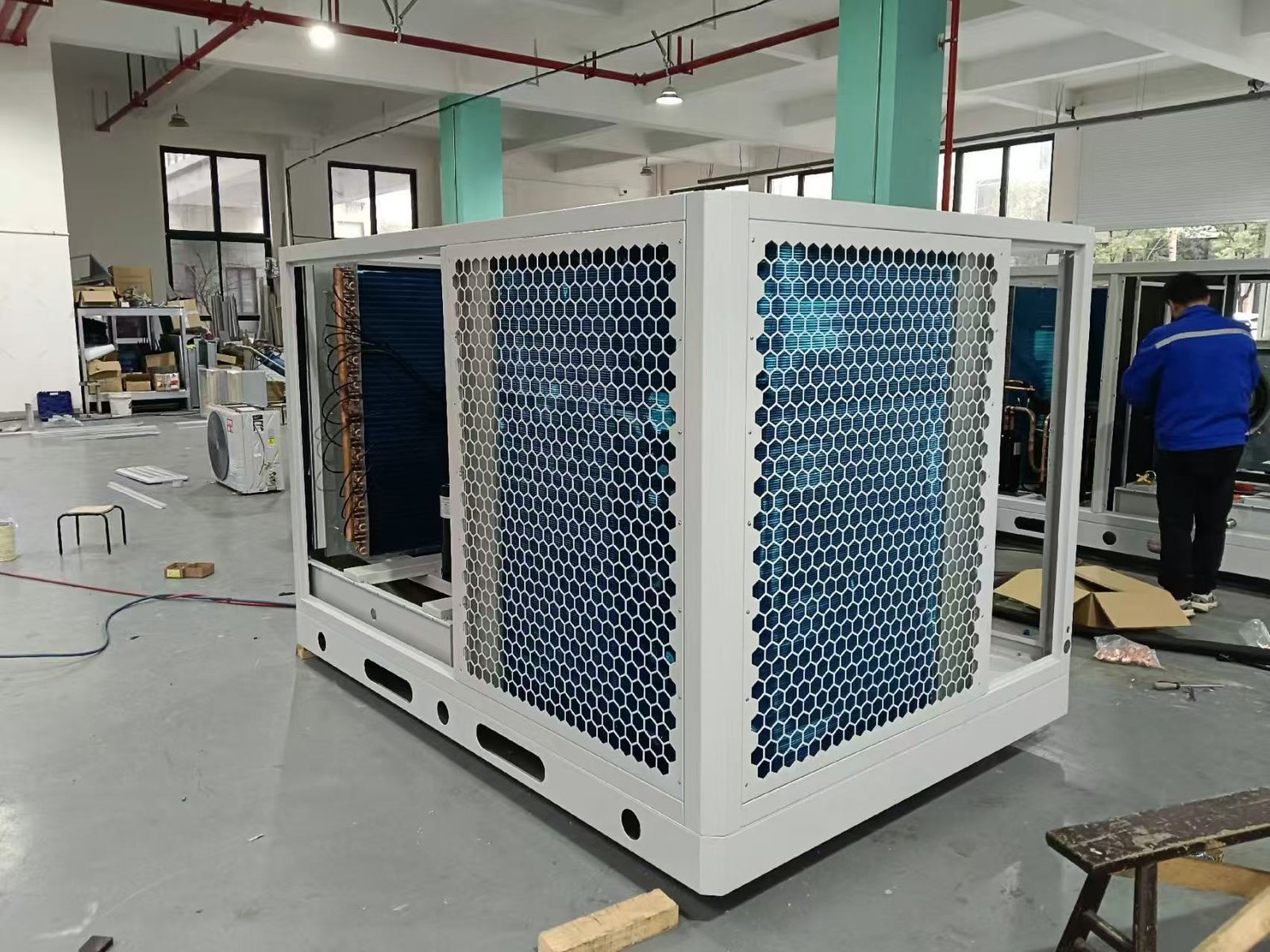
Projects differ in outlet setpoint (80 °C vs. 115 °C), heat source (air vs. 40 °C effluent), hydraulics, voltage/frequency, and BMS protocol. Credible factories align compressors, refrigerant, heat exchangers, and controls before they lock model numbers—not after shipment.
Sxin HVAC’s high temperature water source heat pump series is built around engineered configuration: four refrigerant platforms—R134a, R1234ze, R1233zd, and R245fa—for different lift and compliance profiles. R134a paths cover up to ~85 °C; R1234ze to ~90 °C; R1233zd and R245fa can reach 105–120 °C for steam-grade hot water duty where design allows.
Heating capacity in the family is roughly 216 kW–1,740 kW with indicative COP 2.7–4.0 depending on refrigerant, source temperature, and operating point—always insist on your conditions, not brochure corners. OEM/private label, customized documentation, PLC-based management, touch HMI, and RS485 / Modbus / BACnet integration align with the same export-first posture visible across Sxin’s commercial and industrial HVAC product portfolio.
Outlet temperature, source type & temperature, flow rates, annual hours, voltage/frequency/phase, indoor/outdoor constraints, retrofit vs. greenfield, hybrid vs. full displacement.
Clear air vs. water recommendation, realistic COP band at your lift, refrigerant rationale, control interfaces, customization scope, third-party test evidence where applicable (CE / EN 14511 / ISO 13256 or market-specific).
Datasheets, wiring diagrams, installation manuals, spare-parts strategy, remote troubleshooting, and willingness to document—not only ship crates. A factory-based HVAC manufacturer with test infrastructure and multi-refrigerant HT lines maps to these criteria—but always verify claims with project-matched proposals and diligence.
For the right duty—stable hot water in the 60–120 °C band, recoverable waste heat, high annual runtime, and pressure to cut fossil fuel—a high temperature heat pump can be one of the most rational investments on the P&L and carbon ledger.
Success hinges on whether the manufacturer can match source, process, refrigerant, electrical standard, and controls to real site data. If your scope covers boiler replacement, effluent recovery, district hot water, or drying with outlet temperatures up to 120 °C, contact Sxin HVAC with outlet setpoint, source conditions, flow, and location—engineering can recommend configuration and a preliminary energy comparison against your operating profile.
Straight answers for EPC, consultants, and buyers comparing Chinese OEM options for industrial process heat.
Depends on refrigerant and design. Typical bands: R134a to ~85 °C, R1234ze to ~90 °C, R1233zd / R245fa toward 105–120 °C plus some low-pressure steam–class applications—always co-dependent on source temperature and lift.
Often yes for hot water–dominant plants; often hybrid when steam, extreme peaks, or millisecond thermal response dominates. Demand load profiling before accepting “100% displacement.”
Industrial water-source HTHP commonly quoted in the 2.7–4.0 COP window depending on source, outlet, and part-load. Request curves at your points.
Wastewater, process returns, cooling tower return, groundwater/geo (filtered), river/lake (treated). Air source uses ambient air when no stable liquid source exists.
Food & beverage, textile & dyeing, pharma, construction materials curing, district heating / large DHW, paper, agricultural drying—always verify against temperature, hours, and source stability.
Must be modeled from tariffs, temperatures, hours, and COP—not guessed. Treat generic “2-year payback” without inputs as a warning sign.
R134a, R1234ze, R1233zd, R245fa are common platforms; low-GWP options matter increasingly for EU-like regulations. Choice affects capex, efficiency, and service network.
Use the paths that match your stage—early screening, datasheet/spec review, or distributor/OEM packaging.
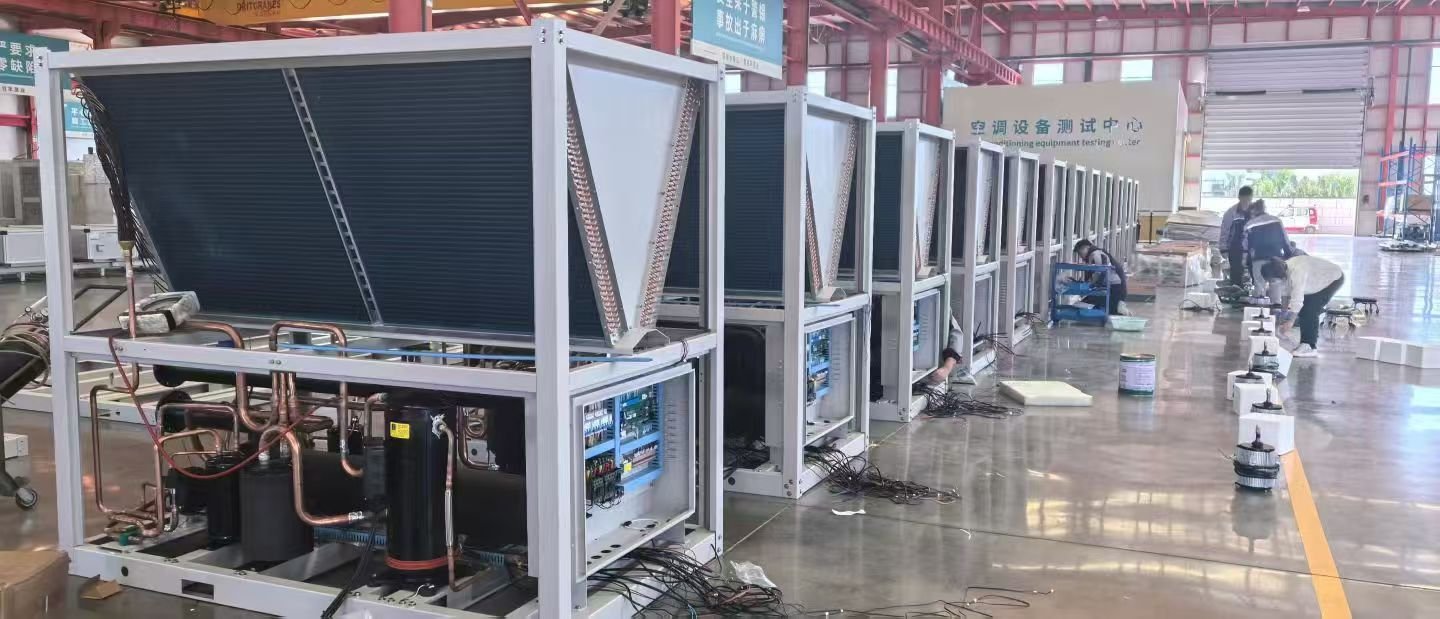
Multi-refrigerant industrial lineup for elevated hot water and select steam-grade duties—request selection for your source and outlet.
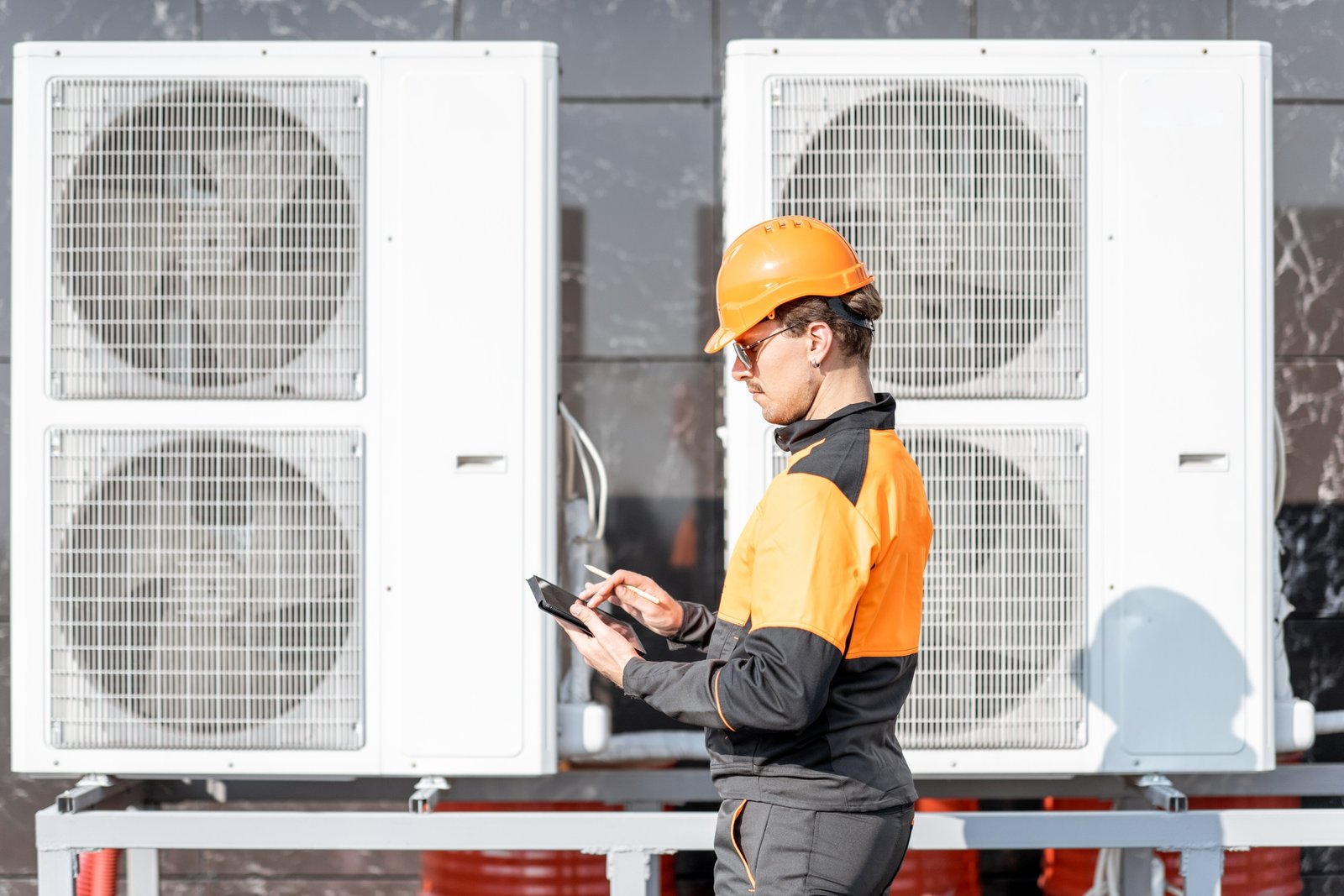
Cross-check chillers, AHUs, heat pumps, and packaged solutions for hybrid plants and export documentation packages.
Validate test infrastructure, QA philosophy, and export track record before placing industrial thermal equipment on critical process lines.
Boiler replacement, waste heat recovery, or process heating to 120 °C—send outlet temperature, source conditions, flow, and site location for configuration guidance and a preliminary energy comparison.
Contact engineeringNeed model-level data for R134a, R1234ze, R1233zd, or R245fa platforms? Request project-matched selections and performance tables at your lift—not catalog-only ratings.
Request technical packagePrivate label, multi-refrigerant configurations, and customized documentation for export channels—discuss partnership scope and sample technical binders.
Discuss OEM partnership