Comprehensive HVAC systems engineered for the world’s most demanding public and industrial facilities—delivering precision climate control, energy efficiency, and mission-critical reliability across diverse infrastructure environments.
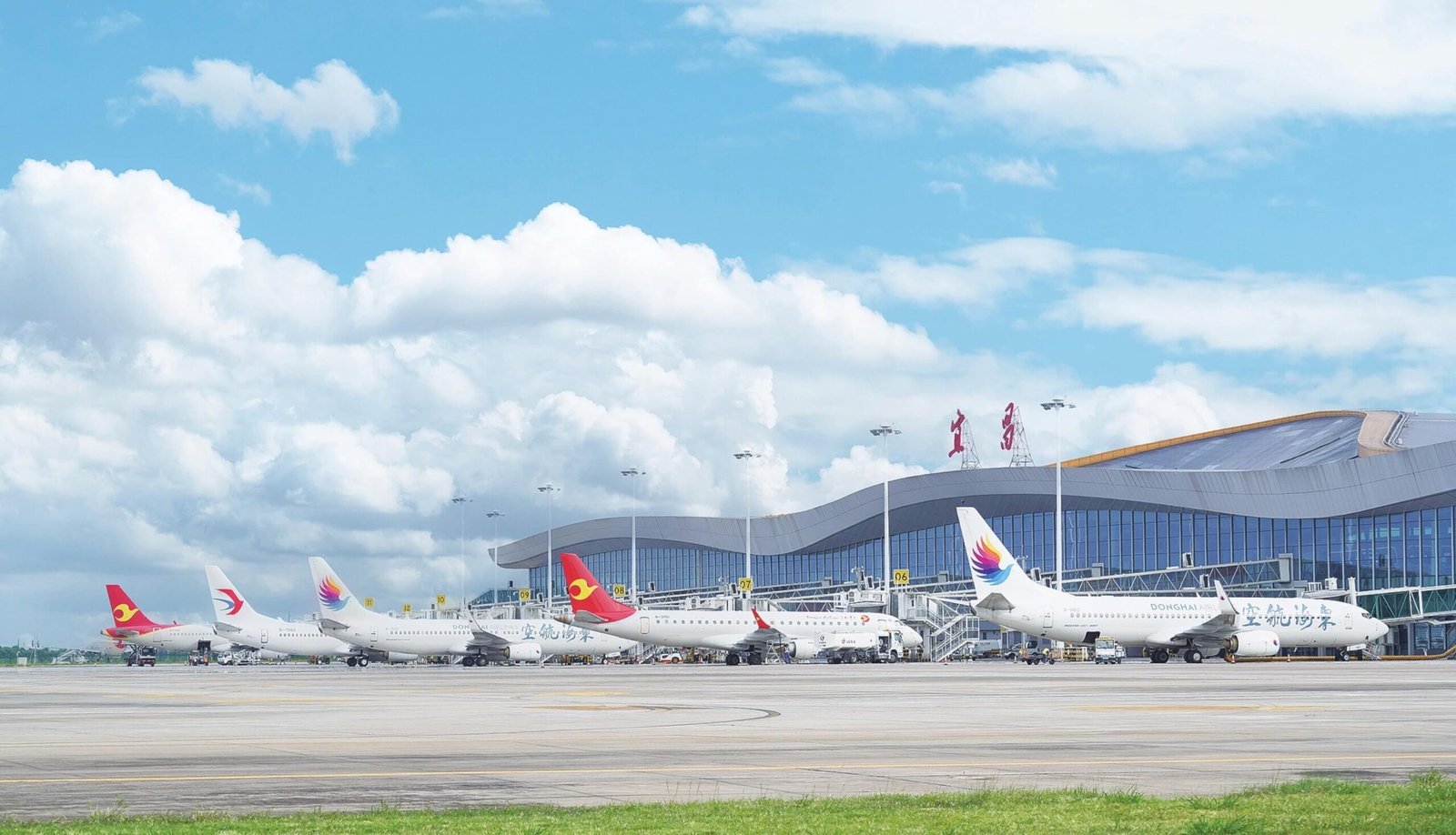
Airports represent one of the most complex HVAC challenges: enormous terminals with 10-30 meter ceiling heights, dramatic occupancy fluctuations, and absolute 24/7 operational demands with zero tolerance for downtime.

Healthcare environments demand absolute precision where air quality directly influences patient outcomes, infection prevention, and medical procedure success—maintaining sterile operating theaters and isolation rooms continuously.
Metro and urban rail networks present unique challenges: confined underground spaces, massive air volume requirements, continuous 24/7 operation, and stringent fire safety standards requiring integrated smoke extraction capabilities.

Complex infrastructure developments combining transportation terminals, administrative facilities, commercial spaces, and technical support zones require adaptive HVAC architectures under intelligent centralized management.
Decades of proven performance in environments where system failure directly impacts public safety, operational continuity, and service delivery—backed by comprehensive engineering expertise and global compliance standards.
Decades of proven performance in environments where system failure directly impacts public safety, operational continuity, and service delivery—documented 99.7%+ uptime across demanding installations.
Deep understanding of unique operational challenges including variable occupancy loads, confined installation spaces, fire safety integration, emergency response requirements, and continuous operation demands.
Complete certification portfolio including EN 12101-3 (smoke/heat control), ISO 13485 (medical devices), ASHRAE 170 (healthcare ventilation), ISO 14644 (cleanrooms), and explosion-proof ATEX standards.
Dedicated smoke extraction systems, fire-resistant construction, automatic alarm linkage with building fire control, and emergency mode validation ensuring life safety protection.
Unified BMS platforms providing real-time monitoring, predictive fault detection, remote diagnostics, energy analytics, and automated emergency response across all facility zones.
Heat recovery systems, variable-speed drives, stratified airflow management, and intelligent load optimization delivering 25-35% energy savings without compromising performance or safety.
End-to-end responsibility spanning conceptual design, CFD airflow simulation, equipment manufacturing, installation supervision, commissioning, operator training, and lifecycle maintenance support.
Advanced engineering solutions delivering precision climate control, energy efficiency, and safety compliance across the world’s most demanding infrastructure environments.
Custom-engineered aerodynamic diffusers delivering conditioned air effectively across 20-30 meter ceiling heights in airport terminals and station halls—achieving uniform temperature distribution while minimizing energy waste.
Advanced control strategies focusing cooling and heating only where people are present rather than conditioning entire space volumes—reducing energy consumption by 25% in large-volume environments.
EN 12101-3 certified systems providing rapid smoke removal and heat control during fire emergencies—featuring fire-resistant construction, high-temperature operation capability, and automatic activation through fire alarm integration.
Intelligent differential pressure management maintaining positive pressure in sterile zones and negative pressure in containment areas—automatically adjusting airflow to sustain specified pressure differentials within ±5 Pa.
Multi-stage purification architectures (G4 + F7 + H13/H14 HEPA) with antibacterial coatings removing 99.97% of particles ≥0.3μm—achieving ISO Class 5-7 cleanroom standards for healthcare and pharmaceutical applications.
High-efficiency heat exchangers reclaiming 60-70% of exhaust thermal energy for incoming air conditioning—dramatically reducing primary heating/cooling loads while maintaining required air change rates and indoor air quality.
Multi-layer noise control through aerodynamic fan blade design, vibration isolation, acoustic insulation, and precision balancing—maintaining operational noise below 55-60 dB in passenger environments and even lower in clinical settings.
Mission-critical reliability through backup equipment configurations ensuring continuous operation during maintenance or component failure—automatic failover maintaining environmental stability without manual intervention.
Comprehensive performance parameters demonstrating our engineering capabilities across diverse infrastructure environments—from extreme temperature ranges to precision humidity control and acoustic optimization.
| Specification | Airport Facilities | Healthcare Facilities | Rail Transit Systems | Integrated Infrastructure |
|---|---|---|---|---|
| Temperature Range | 18-26°C (terminal areas)10-35°C (hangars) | 20-24°C (patient areas)18-22°C (operating rooms) | 18-28°C (stations)15-30°C (tunnels) | 16-28°C (offices)10-40°C (technical zones) |
| Humidity Control | 40-60% RH±10% tolerance | 30-60% RH±5% precision control | 40-70% RH±15% tolerance | 30-70% RHVariable by zone |
| Air Change Rate | 6-12 ACH (terminals)4-8 ACH (offices) | 15-25 ACH (operating rooms)6-12 ACH (patient wards) | 10-20 ACH (platforms)6-15 ACH (control rooms) | 4-20 ACHApplication-dependent |
| Airflow Velocity | 0.15-0.25 m/s (occupied)0.5-1.0 m/s (jet diffusers) | 0.12-0.18 m/s (patient areas)0.25-0.35 m/s (laminar flow) | 0.2-0.5 m/s (platforms)3-8 m/s (emergency extraction) | 0.15-0.3 m/s (offices)0.5-2.0 m/s (industrial) |
| Filtration Standards | G4 + F7 (pre + medium)Optional F9 for VIP areas | G4 + F7 + H13/H14 HEPAISO Class 5-7 cleanrooms | G4 + F7 (standard)F9 for control rooms | G4 to H14Application-specific |
| Noise Levels | ≤58 dB(A) (public areas)≤50 dB(A) (VIP lounges) | ≤55 dB(A) (patient wards)≤48 dB(A) (operating rooms) | ≤60 dB(A) (platforms)≤55 dB(A) (control rooms) | ≤60 dB(A) (offices)≤75 dB(A) (industrial) |
| Pressure Control | Neutral to slight positive±2 Pa tolerance | +5 to +15 Pa (sterile zones)-5 to -15 Pa (isolation rooms) | Neutral (stations)Negative (tunnels) | Zone-dependent±5 Pa precision |
| Energy Recovery | 50-60% thermal efficiencyPlate/rotary heat exchangers | 60-70% thermal efficiencyRun-around coil systems | 45-55% thermal efficiencyHeat pipe technology | 50-70% thermal efficiencyMultiple technologies |
| Fire Safety | EN 12101-3 smoke extractionFire dampers at penetrations | Fire-rated ductworkAutomatic shutdown sequences | EN 12101-3 certifiedBidirectional jet fans | Application-specificFull compliance portfolio |
| System Redundancy | N+1 for critical zonesAutomatic failover | N+1 minimum (operating rooms)2N for critical care | N+1 for all systemsManual override capability | N to 2NRisk-based design |
| Control Systems | BACnet/Modbus integrationCentralized BMS monitoring | Medical-grade BMSPressure/temp alarms | SCADA integrationReal-time monitoring | Unified BMS platformMulti-protocol support |
| Maintenance Access | 24/7 scheduled maintenanceModular component design | Hot-swappable filtersMinimal disruption protocols | Night maintenance windowsRedundant operation during service | Flexible schedulingPredictive maintenance |
Proven performance across the world’s most demanding infrastructure projects—delivering mission-critical reliability, energy efficiency, and operational excellence in diverse climatic and regulatory environments.
World’s largest single-terminal airport featuring 700,000 m² of conditioned space with 25-meter ceiling heights. Our long-throw jet diffuser systems and stratified airflow management deliver uniform comfort across massive public areas while achieving 28% energy savings compared to conventional designs.
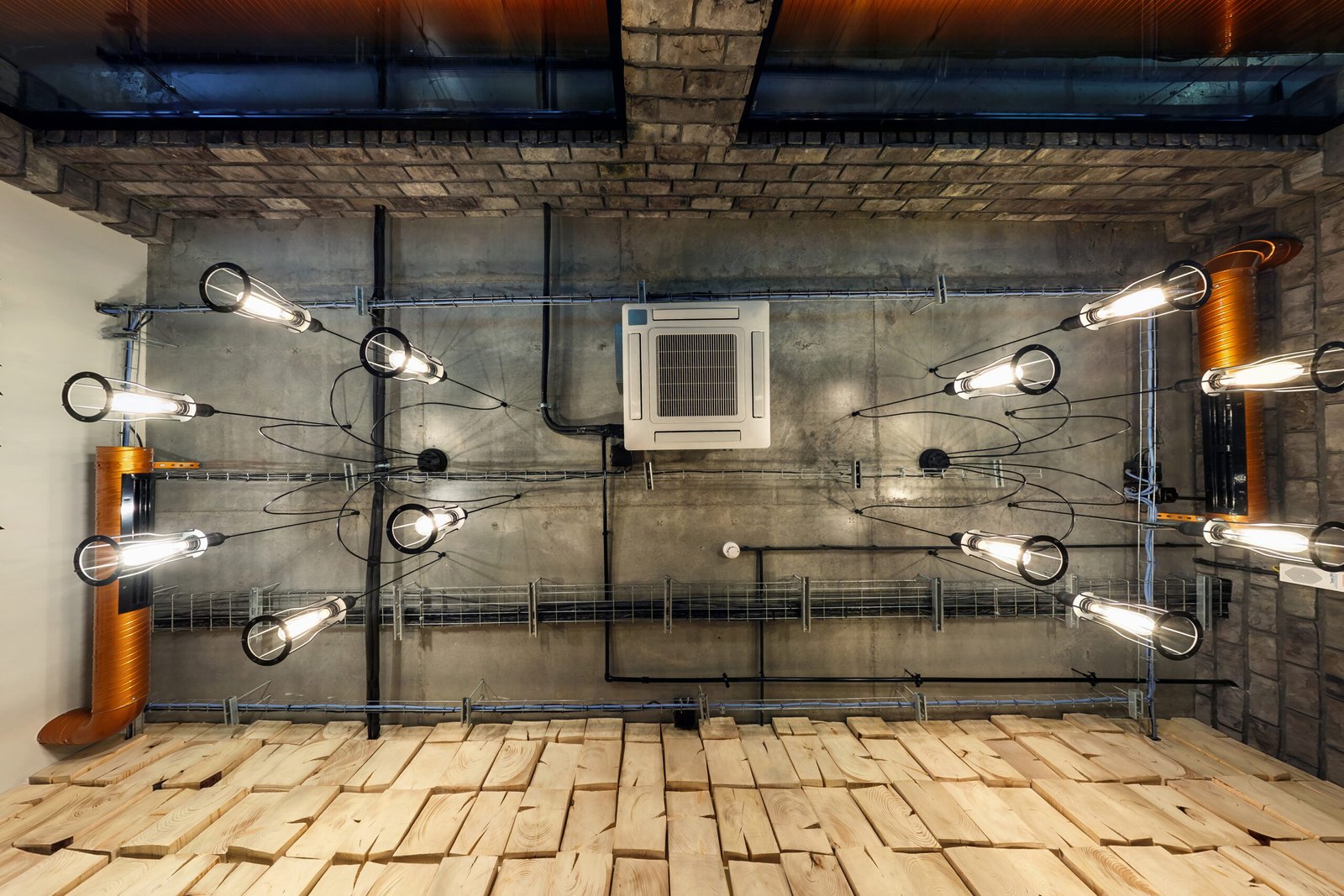
China’s first proton therapy cancer treatment center requiring ISO Class 6 cleanroom standards with ±1°C temperature stability. Multi-stage H14 HEPA filtration and automated pressure cascade control ensure sterile treatment environments while maintaining 99.97% particle removal efficiency.
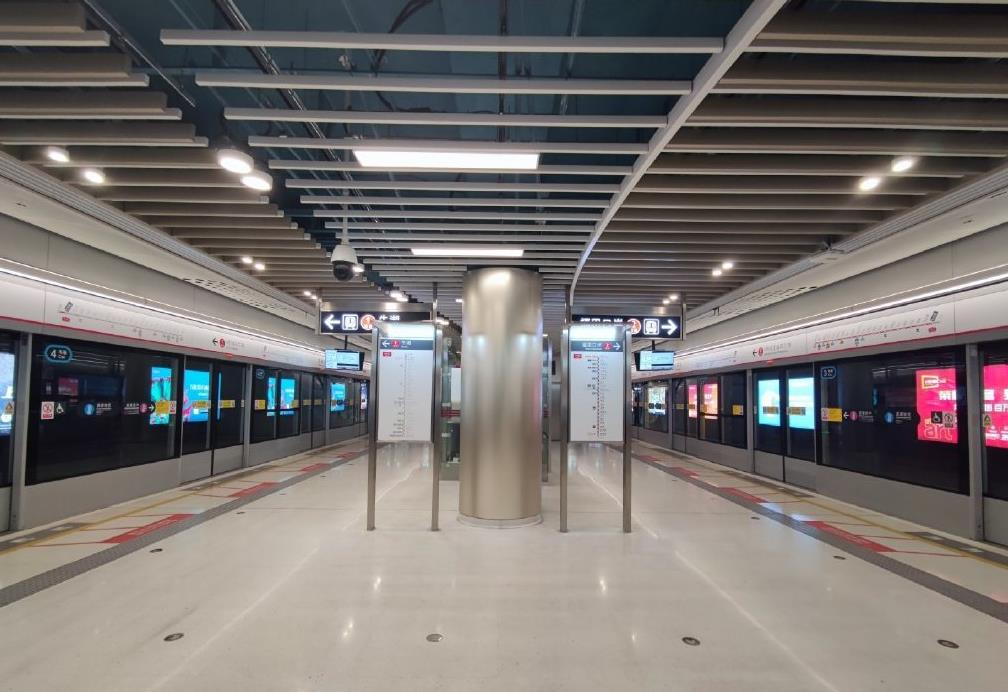
37-kilometer underground metro line with 20 stations requiring comprehensive tunnel ventilation and emergency smoke extraction. EN 12101-3 certified bidirectional jet fans and N+1 redundancy ensure passenger safety during emergencies while maintaining comfortable platform temperatures year-round.

World’s busiest international airport terminal operating in extreme desert conditions (50°C+ ambient). Advanced thermal insulation, high-efficiency chillers, and intelligent load management maintain comfortable 22-24°C interiors while achieving 32% energy reduction through heat recovery and variable-speed optimization.