Commercial HVAC is not “picking units”—it is an integrated workflow: building analysis, accurate load calculation, system architecture selection, distribution design, controls strategy, and commissioning. Early mistakes in load assumptions, zoning, ventilation treatment, or part-load strategy often become comfort issues, energy penalties, and rework that are expensive to unwind.
This guide summarizes the end-to-end process for engineers and procurement teams, with extra emphasis on Middle East & Latin America humidity, temperature extremes, coastal corrosion, service infrastructure, and electricity-cost sensitivity.
Envelope performance, glazing ratio, orientation, occupancy profile, internal gains, operating schedule, and climate zone define both peak and—more importantly—annual part-load character. Skip this and every downstream number is negotiable fiction.
Outdoor air can be 30–50% of total load. Humid climates make dehumidification dominant for long periods. Size for realistic peaks with modest margin—then solve reliability with modularity (N-1), not blanket oversizing.
Air/water balancing, controls verification, trending, training, and documentation are part of the product. Weak Cx is a common root cause of “new plant, old problems.”
Undersized systems lose setpoints on peak days. Oversized systems short-cycle, struggle with latent control, and inflate first cost. Weak ventilation assumptions create IAQ complaints. Weak controls turn a good chiller plant into an average building.
These symptoms often appear within months and persist for years—until the underlying assumptions (loads, zoning, OA treatment, staging logic) are corrected.
A weak envelope pushes capacity and perimeter swings. Poor zoning wastes energy conditioning thermally distinct spaces the same way. Distributed refrigerant systems demand different charging and service discipline than centralized hydronics.
A systematic approach forces each decision to be made with awareness of comfort, energy, maintenance burden, and risk—together.
High curtain-wall ratios increase solar cooling load and winter heat loss—especially in hot climates where solar dominates. High-performance glazing (lower SHGC) belongs in the load model, not only the architectural spec sheet.
Pair glazing analysis with perimeter zoning reality: south/west facades in the Northern Hemisphere (and north/west in the Southern Hemisphere) are not “the same load” as core zones.
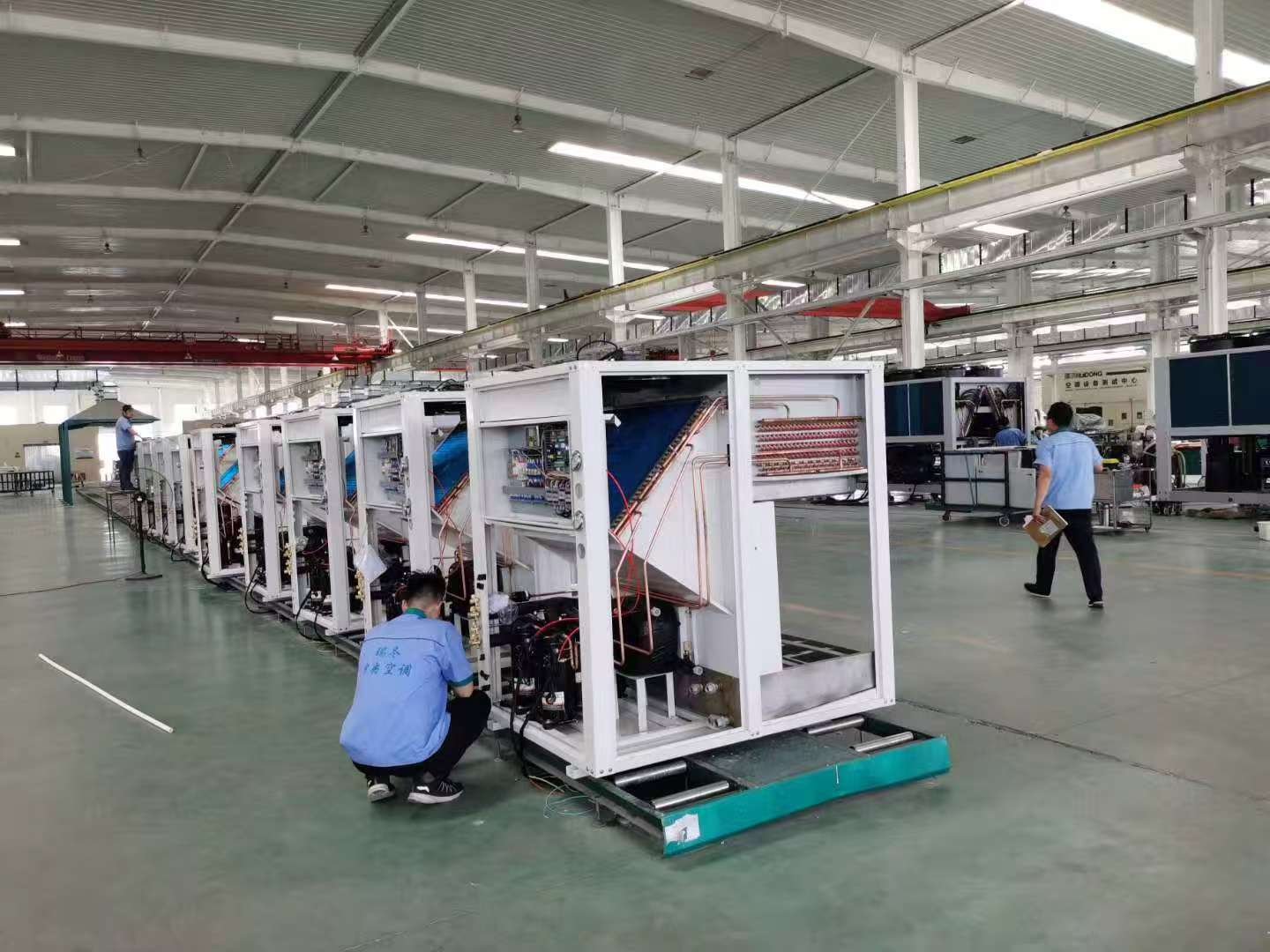
Collect or estimate wall/roof U-values (or R-values), foundation insulation where relevant, and air leakage when available. Poor fabric increases both peak and off-peak demand—often inviting oversizing “to be safe.”
Occupancy profiles (office plug loads, hotel intermittency, school schedules, healthcare 24/7) change peak vs. average, staging, and control logic—not just a single “people count.”
High outdoor humidity (often 50–80% RH), extreme summer design conditions, coastal salt exposure, occupancy variability, and service constraints push designs toward active dehumidification, corrosion-resistant specifications, modular redundancy, and lifecycle thinking.
| Factor | Typical impact | Design response |
|---|---|---|
| Humid OA | Ventilation imports moisture | Mechanical dehumidification + sensible recovery; avoid “OA as a crutch.” |
| Extreme heat / swings | Wide operating range | Modular staging, flexible reset strategies, avoid single monolith turndown gaps. |
| Coastlines | Accelerated corrosion | Upgrade coils/hx alloys, coatings, fasteners; plan accessible maintenance. |
| High tariffs | Energy dominates TCO | Heat recovery, VSDs, strong controls—often faster payback than in low-tariff markets. |

Cooling load combines solar, internal gains, ventilation, and infiltration. Heating is often developed more conservatively (design weather percentiles differ from cooling). Regardless of tool—HAP, TRACE, EnergyPlus, IES-VE—outputs are only as good as occupancy, plug loads, envelope, and OA assumptions.
Rules of thumb (e.g., ~1 ton / 350–400 ft²) are for early sanity checks—not contract documents.
Selection depends on building size, zoning complexity, operating hours, redundancy needs, electrification goals, and local service capability. The matrix below is a decision map, not a substitute for modeled loads.
| Dimension | Chilled water | Heat pump + terminals | VRF / VRV | DX split / packaged |
|---|---|---|---|---|
| Scale sweet spot | Large campuses, hospitals, hotels | Mid–large; strong in warm climates | Mid size; zone-heavy plans | Small retail / light commercial |
| Part-load | Modular chillers + variable flow | Modular heat pumps + coordinated terminal turndown | Excellent zoning; watch refrigerant charge scale | Oversizing hurts latent & cycling |
| Ventilation strategy | OA treatment + recovery integrates cleanly | Decouple OA from zonal sensible | Dedicated outdoor air still common | Harder to optimize across large footprints |
| First cost vs. TCO | Piping + plant; strong lifecycle at scale | Often excellent TCO in ME / LATAM | Retrofit-friendly; specialized service | Watch part-load penalties |
For electrification-friendly projects in moderate-to-warm climates, review air source heat pump systems for heating and cooling as a modular plant strategy paired with the right terminal + OA approach.


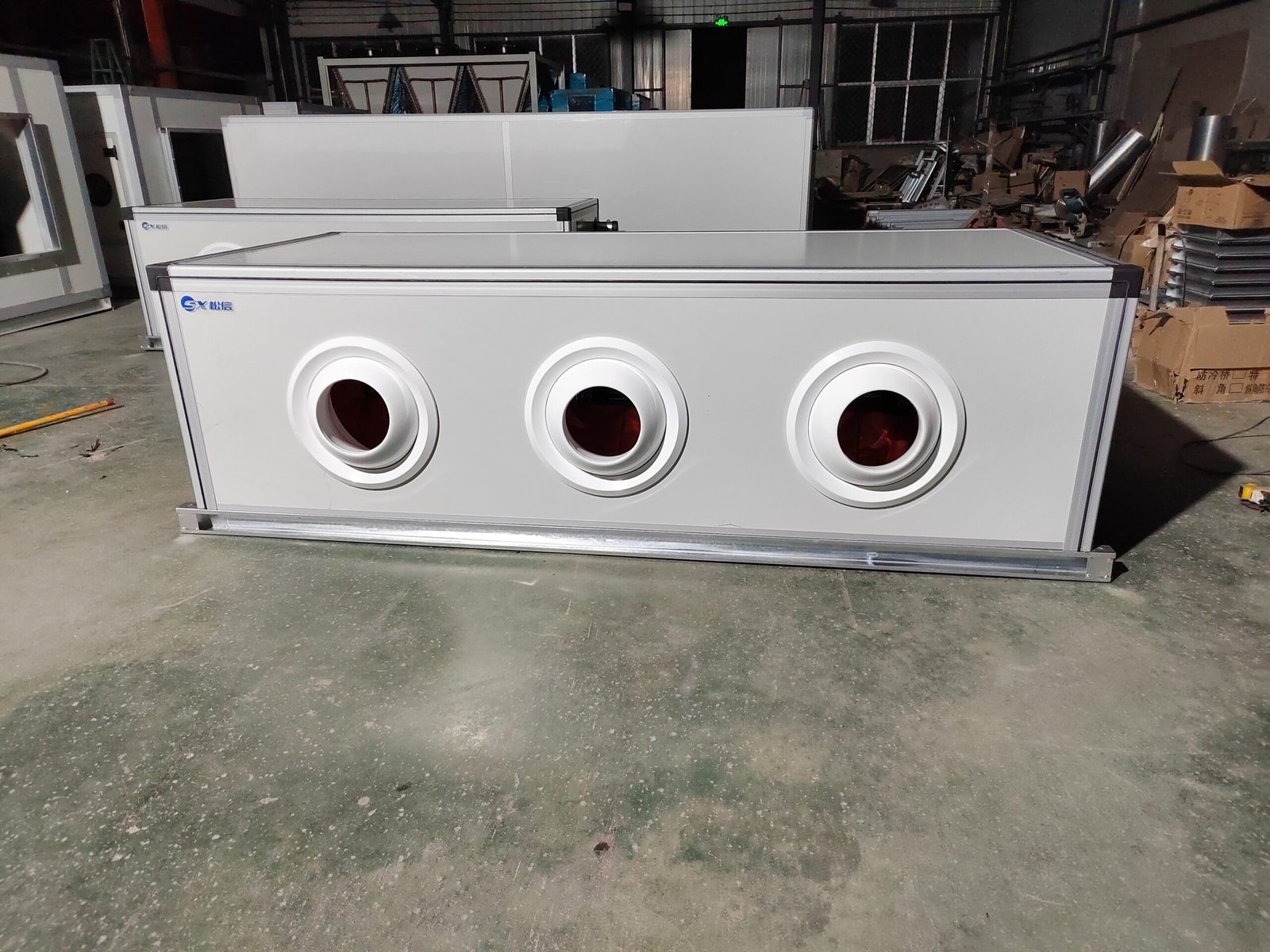

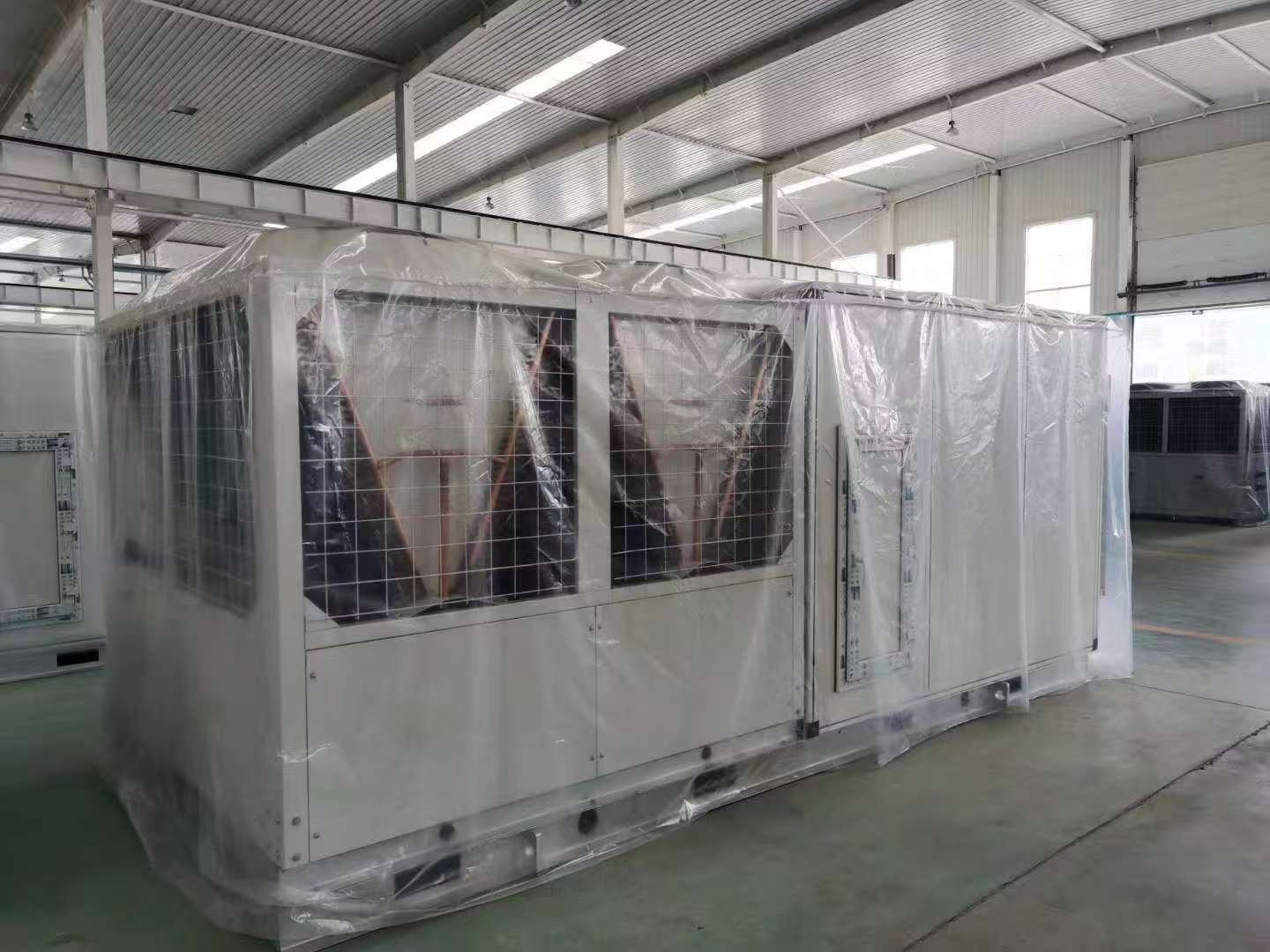
Peak capacity should align with calculated design load with a modest engineering margin—commonly ~5–10%—not blanket +25–30% “safety.” Reliability belongs in module count and maintainability, not oversizing.
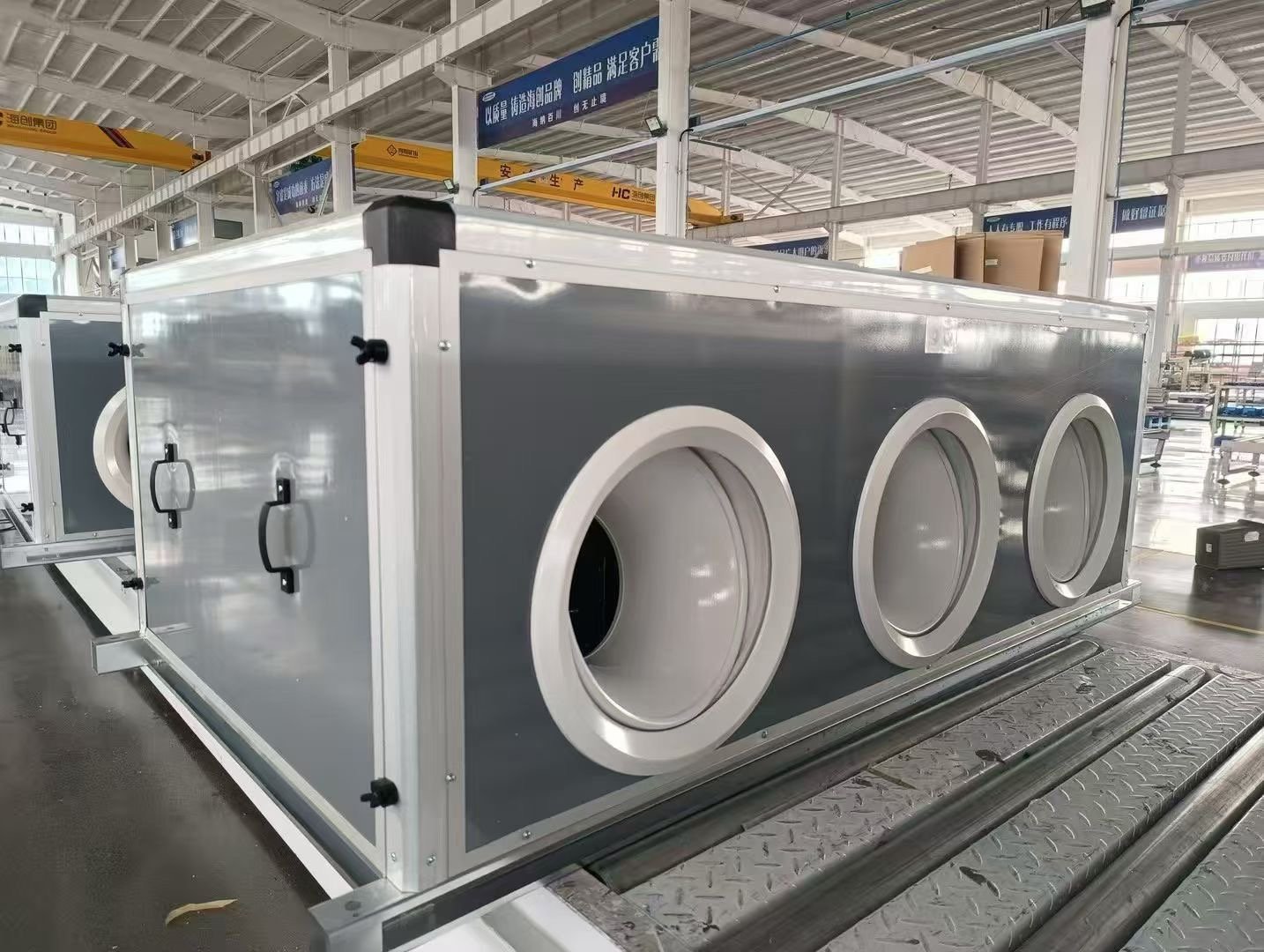
AHU: central outdoor air, filtration, coils, optional recovery/humidification—typically feeding multiple zones via ductwork.
FCU: distributed zonal units using hot/chilled water from the plant for local comfort.
A common commercial pattern is AHU for fresh air + preconditioning and fan coil units in various configurations for tenant or room-level control—especially hotels, Class A offices, and clinical stacks where OA must be deliberate, not incidental.

Duct sizing balances transport velocity, noise, and pressure drop. In humid climates, insulate supply ducts to avoid surface condensation. On water side, align supply temperatures with coil selections; variable-flow with well-commissioned balancing valves can materially cut pump energy versus constant-flow habits.

Strong sequences (min run-times, anti short-cycle, SAT/CHW reset, occupancy schedules, duct static reset) frequently deliver ~15–25% energy improvement versus basic logic—often with paybacks measured in a few years on large sites.
Because buildings live at part-load most hours, controls quality frequently matters as much as nameplate efficiency.
Verify rotation, vibration/noise, leaks (refrigerant/water), and that installed equipment matches spec submittals.
Airside and waterside balancing against design CFM/L/s and ΔP; many “equipment failures” are distribution errors.
Sensor calibration evidence, trend review, operator training, and maintenance manuals—handover is a deliverable, not a meeting.
TCO includes install, 20-year-class energy, maintenance labor/parts, downtime risk, and replacement. A modest first-cost delta can be erased quickly when annual kWh is expensive—especially if controls and heat recovery trim baseline by double digits.
For export-oriented B2B projects, prioritize suppliers who can support documentation, electrical/mechanical interfaces, and regional service reality—not only a lower line item on the bid tab.
Explore Songxin HVAC for commercial packages spanning heat pumps, AHUs, FCUs, and DX building blocks.
Ground-truth answers for owners, engineers, and buyers comparing central plants, heat pumps, VRF, and packaged approaches.
Building analysis: envelope, orientation/glazing, occupancy & internal loads, schedule, climate zone—before loads and equipment.
Large central efficiency + redundancy favors chilled water at scale. Electrification + warm-climate performance favors ASHP + terminals. Zone-heavy retrofits favor VRF. Small buildings favor DX packaged/split—with eyes open on part-load.
No. Use realistic loads + ~5–10% margin. Put safety into modular redundancy (N-1) and controls—not +25–30% blanket oversizing.
AHU handles central OA treatment and large air volumes; FCU handles zonal sensible comfort. Many projects use both deliberately.
Buildings run off-peak most hours. Controls determine staging, resets, and hunting behavior—often 15–25% annual energy swing versus basic logic.
Verification that installed performance matches design: startup checks, balancing, controls tests, trending, training, and handover docs—typically a small % of project cost with outsized risk reduction.
Usually very strong: long cooling seasons, good part-load behavior, and less concern with extreme cold limits that constrain ASHPs elsewhere.
Rough early sanity: ~1 ton / 350–400 ft²—never a substitute for detailed loads + OA + latent modeling.
It must be integrated: OA can be 30–50% of load; humid OA can dominate latent work.
A comparison of capex + energy + maintenance + risk over the building life—essential when electricity is expensive and downtime is costly.
Coordinate central air handling, zonal terminals, and packaged DX where the building program (and service ecosystem) benefits from modular OEM building blocks.
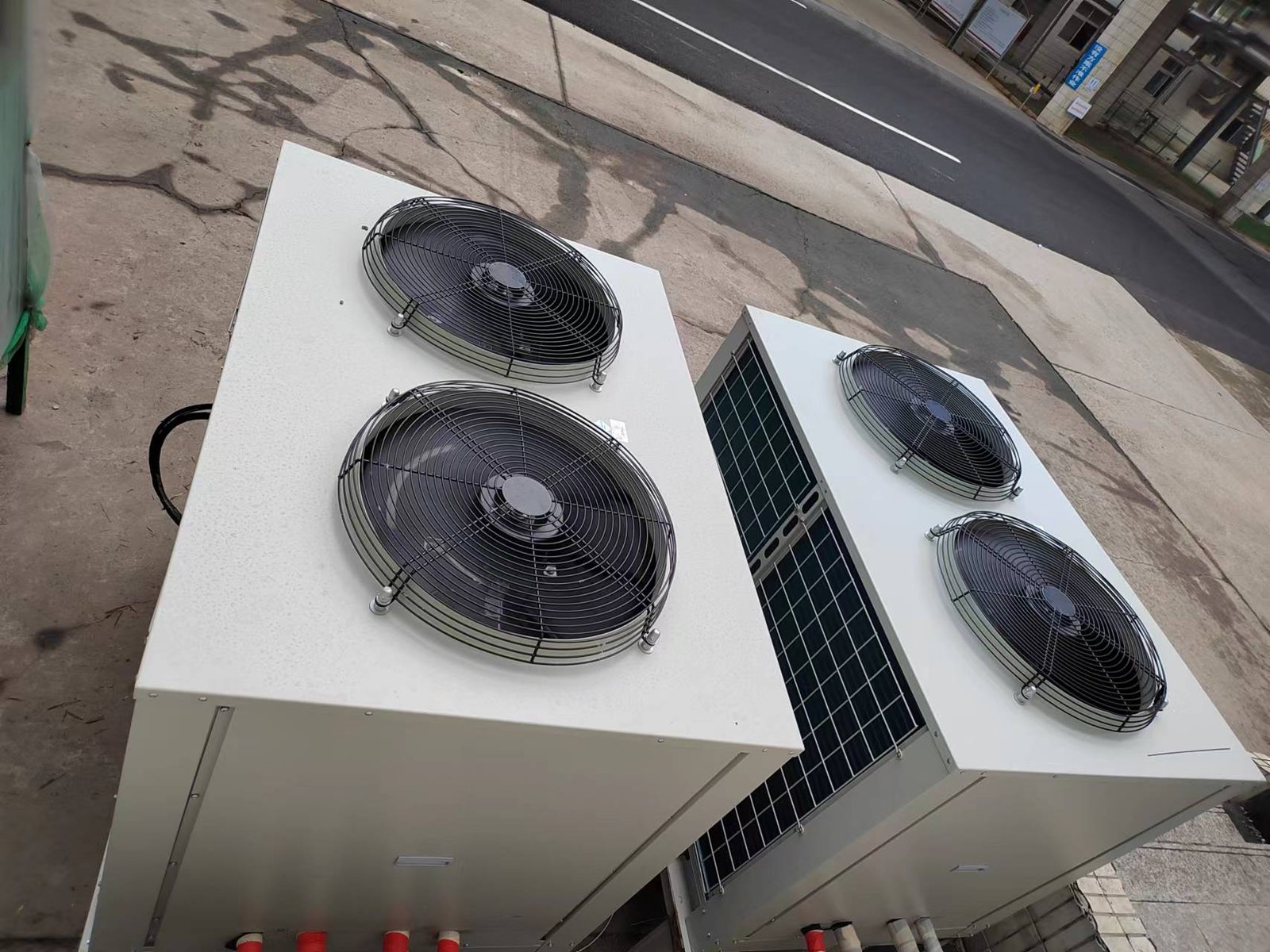
Electrification-friendly heating/cooling plants for hotels, offices, and campuses—especially strong where warm-season part-load dominates.
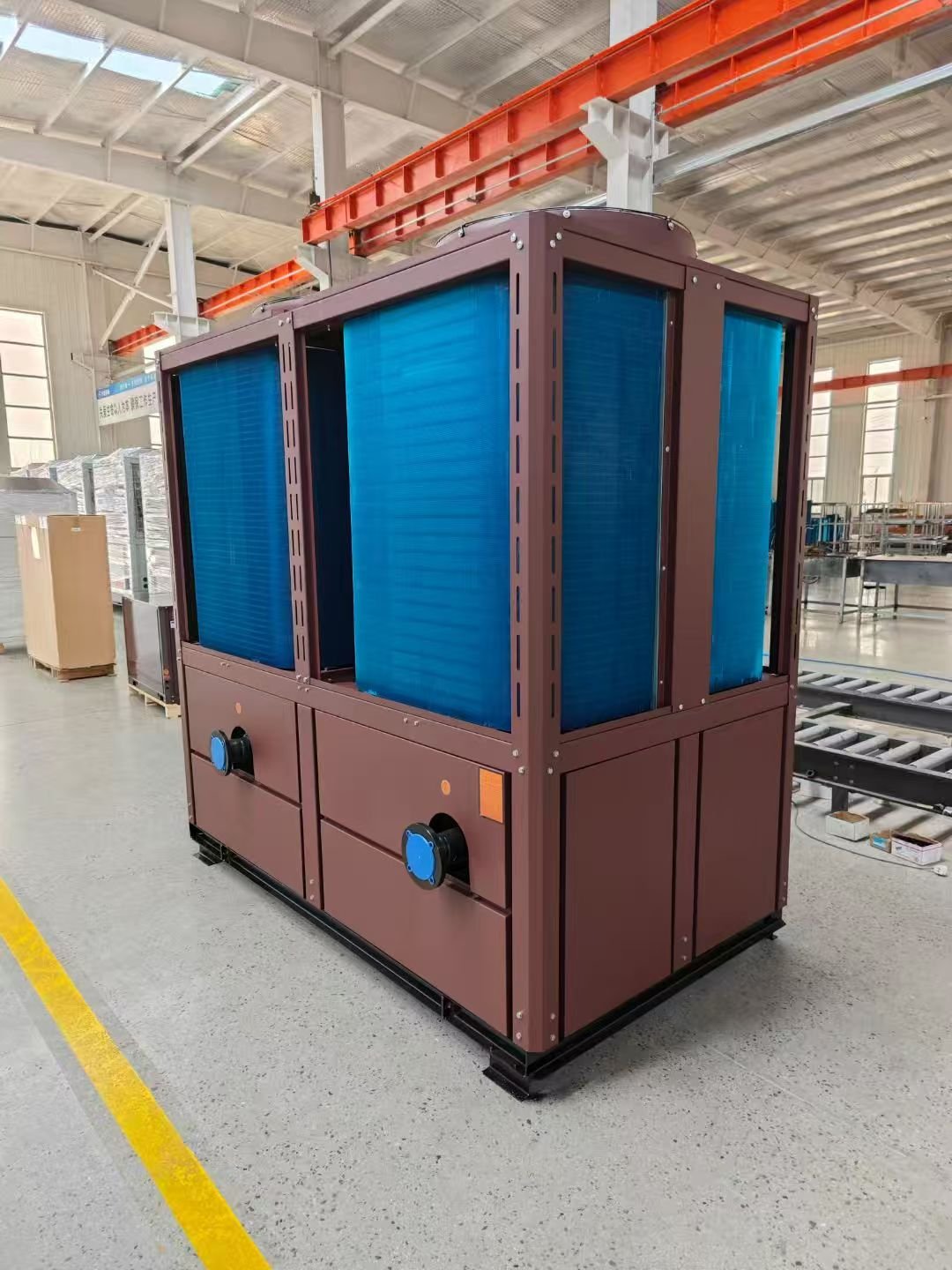
Zonal water-side comfort with cassette, ducted, or concealed options—pair with a deliberate OA strategy (AHU/DOAS).
Central filtration, coil banks, recovery, and OA treatment—where ventilation quality and hygiene strategy are non-negotiable.
When speed-to-occupancy or distributed outdoor plants fit the program, packaged DX can be the right layer—still disciplined on ESP, OA, and part-load.
Share climate, schedules, target system class, and single-line intent—get a reality check on OA/latent risk and modularization before you lock VE decisions.
Contact Songxin HVACRequest help aligning AHU/FCU/DX/HP selections with your loads, ESP assumptions, controls points list, and export documentation package.
Request engineering packageIf post-occupancy comfort, humidity, or energy is off-model, a structured review can separate distribution/Cx issues from equipment class limitations.
Book a technical review