
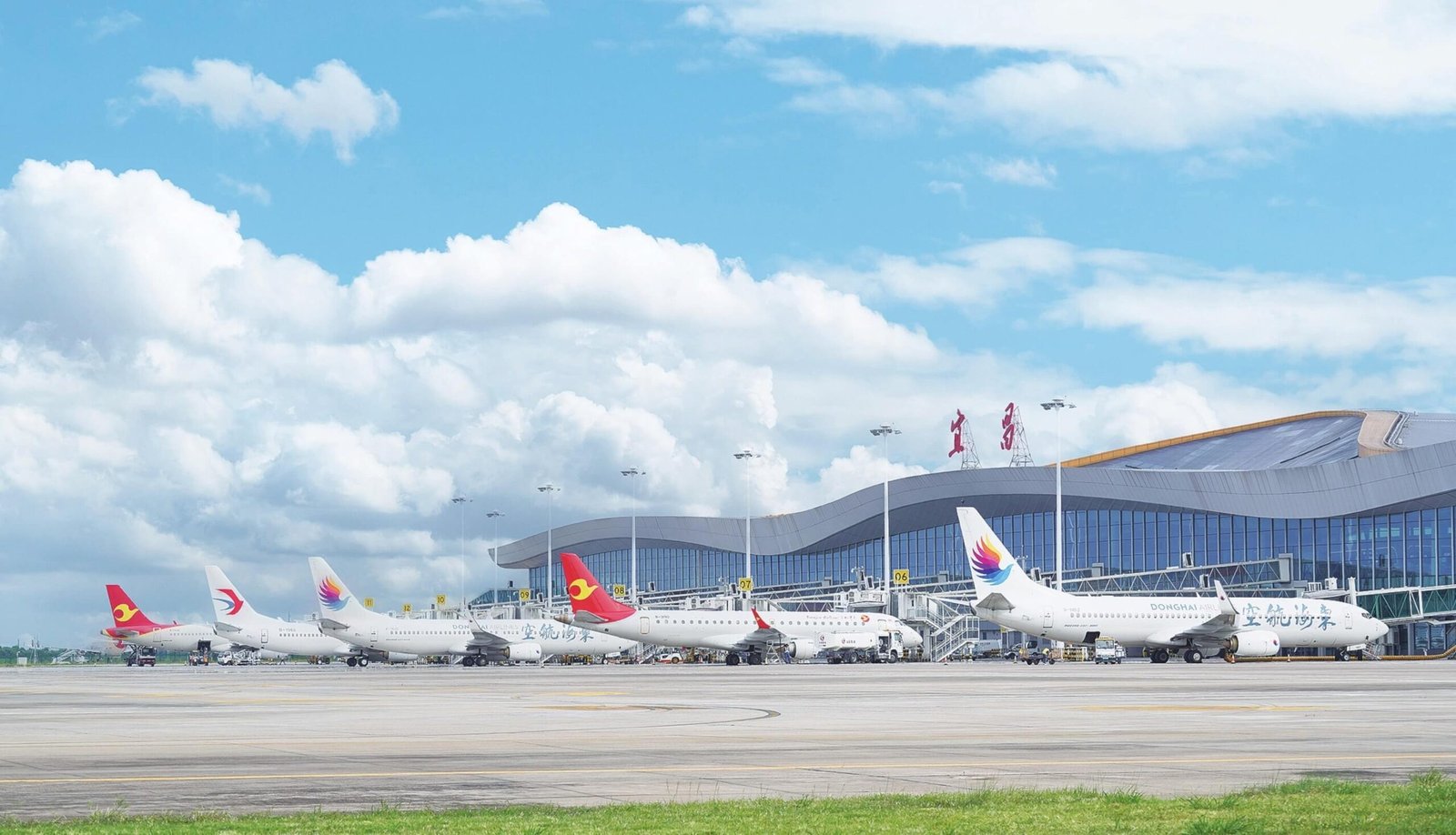
Critical
Control and server rooms
Require 24/7 alarms, redundancy, fast response and verified cooling.
Airport HVAC maintenance protects passenger comfort, indoor air quality, equipment uptime and energy performance across halls, queues, lounges, baggage areas, offices, equipment rooms and support buildings.
Airport HVAC maintenance starts with risk ranking. A departure hall comfort complaint is serious, but a control room cooling failure, baggage control room fault or server room high-temperature alarm is more urgent. The maintenance plan should separate public comfort zones from operationally critical rooms.
Scope boundary: this page begins after the system has been designed and commissioned. Use the airport HVAC system design guide for ventilation, zoning, load and equipment planning; use this checklist for maintenance intervals, readings, alarms, safety isolation, work orders and replacement-RFQ records. For application context, see SongXin’s airport HVAC solutions. If the terminal includes production, storage or technical rooms, the comfort AHU vs process AHU guide helps define which rooms need tighter humidity, filtration or pressure checks.
OSHA’s Control of Hazardous Energy guidance references lockout/tagout practices under 29 CFR 1910.147 for service and maintenance activities, while ASHRAE commissioning resources include guidance for HVAC&R operations and maintenance documentation.
Require 24/7 alarms, redundancy, fast response and verified cooling.
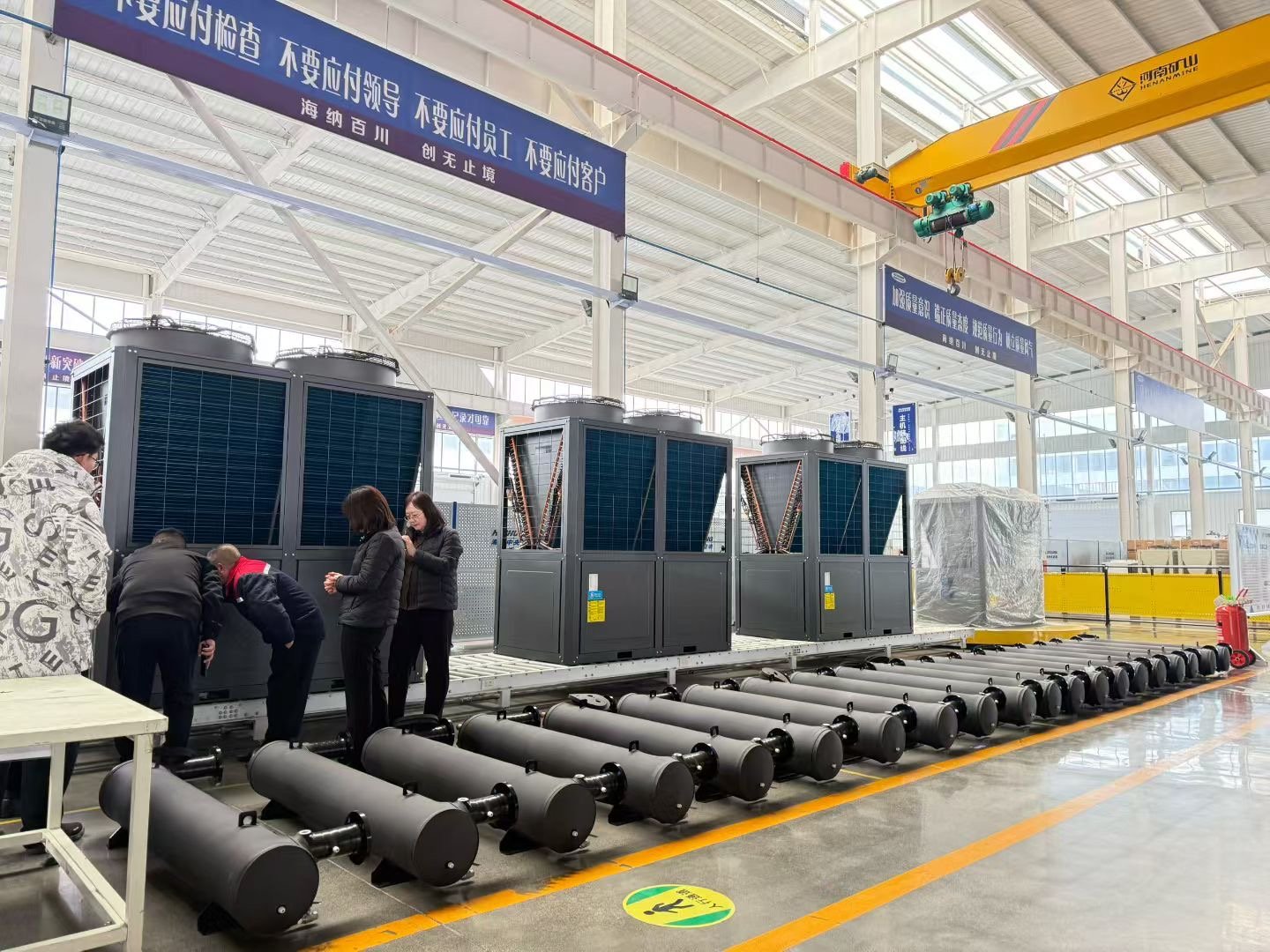
Filter condition, airflow, temperature, humidity and BMS schedules affect passenger comfort.
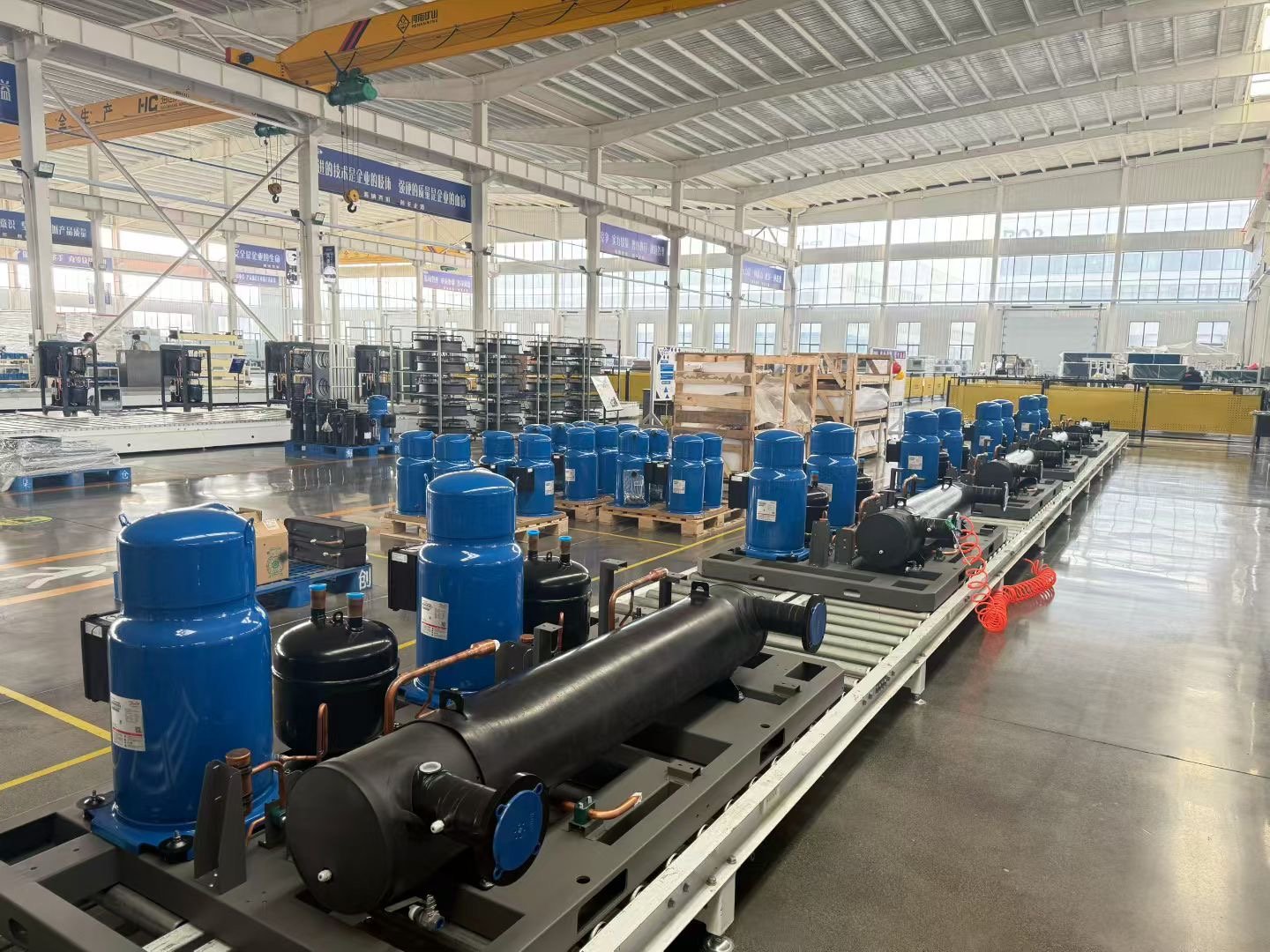
Routine comfort, filter replacement and seasonal checks keep non-critical zones stable.
This interval matrix gives a practical starting point. Final intervals should follow the airport owner’s O&M manual, local safety rules, equipment supplier instructions and actual site dust load.
BMS alarm scan, critical room temperature and chiller status.
Alarm log and response note.
Filter differential pressure, drain pan condition and visible belt or fan condition.
Pa reading, photo and work order.
AHU coil face, damper movement, condenser coil and condensate drain.
Inspection sheet and fault list.
Filter replacement decision, VFD trend and chilled-water valve movement.
Trend report and replacement list.
Safety devices, refrigerant leak observation and electrical cabinet condition.
Safety checklist and technician signoff.
Full performance audit, sensor calibration plan and maintenance budget.
Annual O&M summary.
For high-dust terminals, filter observations move from monthly to weekly when differential pressure rises quickly. For critical rooms, temperature and alarm status should be visible every day in the BMS.
Airport facility managers need enough labor time to make a checklist real. A maintenance plan that lists 30 AHUs but allows only 1 hour per week will fail.
Assume an airport terminal has 12 AHU sections serving public zones and support areas. Each 30-minute weekly AHU observation includes filter differential pressure, drain pan condition, fan sound, belt or coupling observation, access door condition and visible condensate observation.
Weekly observation time = number of AHU sections x minutes per AHU
Weekly observation time = 12 x 30 minutes
Weekly observation time = 360 minutes
360 minutes / 60 = 6 hoursRecommendation: assign the 6 hours as planned maintenance time, not emergency time. If filter pressure, drain pan condition or fan noise creates a fault, issue a separate work order so the weekly route still finishes.
Airport HVAC maintenance should be organized by equipment group. A terminal system usually combines AHUs, chillers, DX units, pumps, ventilation fans, dampers, controls and sensors.
The most important maintenance signal is trend change. A filter pressure increase from 120 Pa to 230 Pa, a chilled-water supply drift from 7 C to 9 C, or a critical room temperature rise from 24 C to 28 C tells the team where to act before passengers or operators complain.
Maintenance records are part of airport risk control. Without records, the team cannot distinguish a recurring design issue from a one-time service issue. The record should show the date, equipment ID, reading, finding, action, spare part, technician and next step.
| RFQ item | What to send |
|---|---|
| Zone list | Terminal hall, lounge, baggage, control room, support building. |
| Equipment list | AHU, chiller, DX unit, pump, fan, BMS point count. |
| Capacity | m3/h for AHUs, kW for chillers and DX units. |
| Maintenance issue | Filter pressure, coil fouling, high ambient trip, noise, poor airflow or alarm issue. |
| Operating schedule | 24/7, passenger peak hours or staff-only hours. |
| Safety requirement | Lockout/tagout process, access route and working-at-height requirement. |
| Documentation | O&M manual, wiring diagram, spare parts list, ISO 9001 and EN 14511 documents where applicable. |
A staff office and a server room need different alarm response times. Critical zones need daily BMS visibility and backup response planning.
A 3-month interval might be too long for a dusty baggage area and too short for a lightly used office AHU. Differential pressure and inspection findings should drive the decision.
Dirty or blocked drain pans create odor, moisture and hygiene complaints. Weekly visual checks and monthly cleaning decisions reduce avoidable IAQ problems.
“Checked OK” is weak. A useful maintenance log records values such as 230 Pa filter pressure, 7 C chilled-water supply or 45% RH room condition.
Electrical panels, fans, pumps, belts and refrigeration circuits need a documented isolation process before maintenance.
These FAQ answers use the same safety, filtration and refrigeration basis referenced above under OSHA 29 CFR 1910.147, ISO 16890, ISO 5149-1 and ISO 5149-2.
An airport HVAC maintenance checklist should include BMS alarms, critical room temperatures, AHU filters, coils, drain pans, dampers, chillers, pumps, DX units, ventilation fans, sensors, safety isolation steps and maintenance records. The checklist should separate daily alarm checks, weekly observations, monthly inspections, 6-month safety checks and annual performance audit.
Airport AHU filter intervals should follow pressure trend and site dust load, not only calendar age. A weekly filter pressure observation is practical for busy terminal zones, while less critical areas might use monthly observations. Replacement should consider final pressure allowance, ISO 16890 filter class, airflow trend and passenger complaint history.
The most critical HVAC equipment serves control rooms, server rooms, communication rooms, security systems and high-occupancy terminal zones. These areas need fast alarm response because cooling or ventilation failure affects airport operation. Public halls need comfort and IAQ stability, while technical rooms need uptime, redundancy and temperature trend monitoring.
Airports reduce HVAC maintenance emergencies by using BMS alarm triage, planned filter checks, coil and drain pan inspections, chiller trend review, spare parts lists and documented safety procedures. The goal is to catch trend changes before failure, such as rising filter pressure, drifting chilled-water temperature or recurring condenser high-pressure alarms.
Send equipment ID, zone function, operating schedule, cooling capacity in kW, AHU airflow in m3/h, power supply, control/BMS requirement, alarm history, maintenance issue, access limitation and required documents. For chillers or DX units, include outdoor design temperature and refrigerant preference; for AHUs, include filter class and external static pressure.
Send equipment list, operating schedule, alarm history, filter class, chilled-water data and maintenance issue summary. SongXin can help match replacement equipment to the O&M problem.
Technical review: SongXin HVAC Engineering Team, airport HVAC maintenance checklist review, 2026-07-13.