

Airport HVAC System Design Guide: Ventilation, Zoning and Cooling for Terminals
Airport HVAC systems must handle long operating hours, changing passenger loads, large-volume halls, ventilation demand and critical technical spaces. This guide explains how to plan terminal zoning, air distribution, cooling equipment and control strategy.
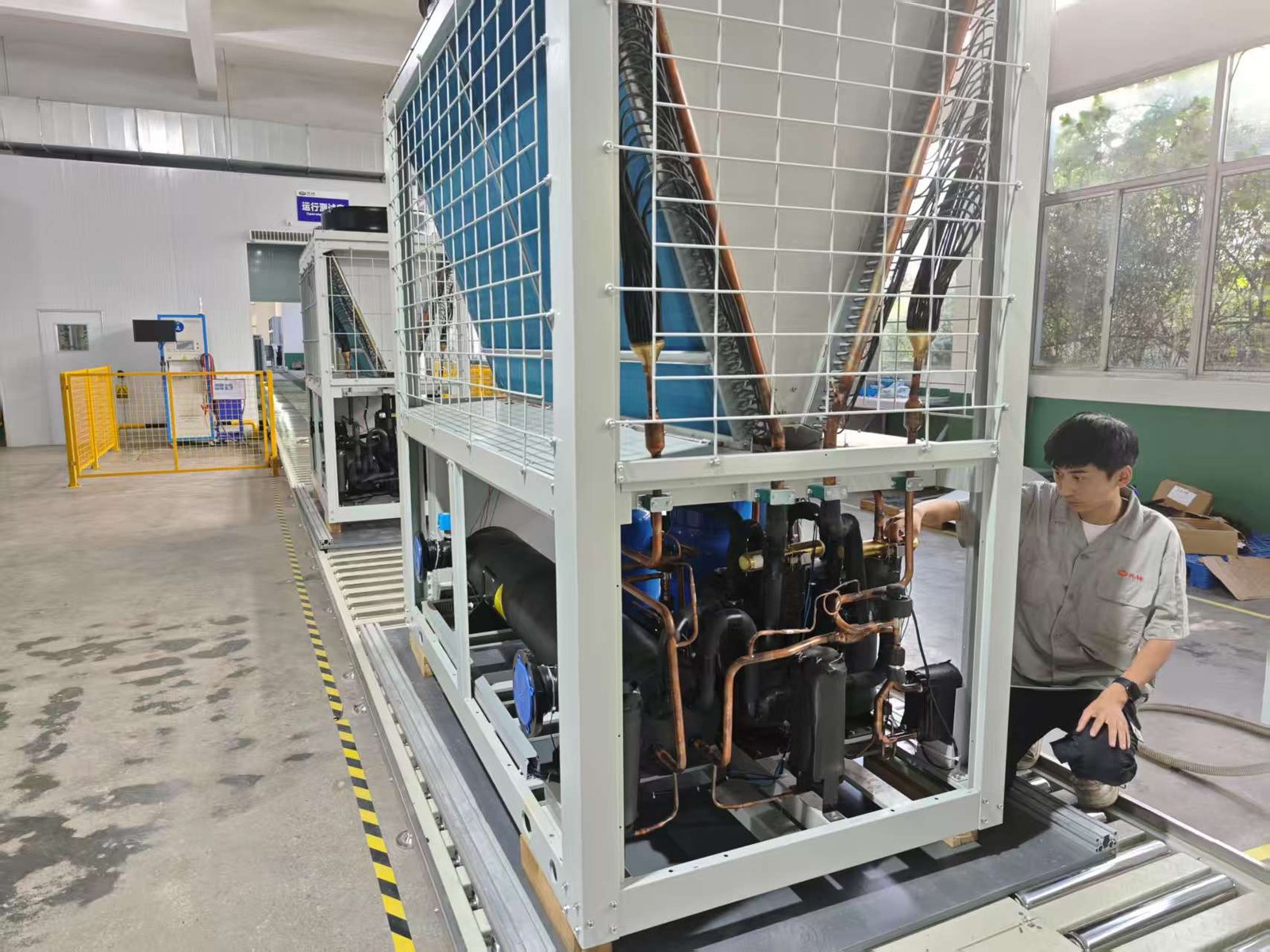
An airport HVAC system is more complex than a standard commercial building system. Airports operate for long hours, handle changing passenger loads, include many different space types and require stable comfort, ventilation, safety and energy performance.
From departure halls and arrival zones to baggage areas, control rooms, lounges, retail areas and maintenance facilities, each airport zone has different HVAC requirements. A successful design must combine cooling, heating, ventilation, air distribution, zoning, controls and reliability.
Direct Answer
An airport HVAC system must control temperature, ventilation, humidity, air distribution, zoning and reliability across many different airport spaces. A terminal HVAC system usually combines air handling units, chillers, ventilation systems, duct distribution, controls and sometimes DX units or precision air conditioning for special rooms.
The best airport HVAC design is not a single equipment choice. It is a coordinated system that matches passenger flow, ceiling height, fresh air demand, glass facade heat gain, energy targets, maintenance access and 24/7 operating requirements.
Why Airport HVAC Is Different
Airport buildings include large-volume public spaces, high ceilings, security areas, offices, technical rooms, baggage systems and sometimes 24/7 operation zones. Because of this, airport HVAC design should be planned by zone, not only by total building area.
- Large passenger flow changes
- High ceilings and open halls
- Strong solar heat gain through glass facades
- Frequent door opening
- Ventilation and indoor air quality requirements
- Noise control in public spaces
- Zonal operation for energy saving
- High reliability and long operating hours
Key Airport HVAC Zones
Departure and Arrival Halls
Large-volume spaces need strong air distribution, long-throw diffusers, stratified airflow planning and zoning controls.
Security and Immigration
Queue density changes quickly, so fresh air and cooling should follow occupancy instead of running at one fixed output.
Baggage Areas
Baggage zones may include open doors, conveyor heat, staff areas and air balance requirements.
Retail and Food Areas
Restaurants and cafes need separate exhaust, make-up air and odor control because internal heat loads differ.
Airport Lounges
Lounges need stable comfort, low noise and better air quality, often with dedicated AHU or fan coil zoning.
Control and Technical Rooms
IT rooms, communication rooms and security rooms may need independent DX, chilled-water or precision cooling.
Airport Zone and Equipment Planning Table
| Airport Area | Main HVAC Challenge | Common Equipment Direction |
|---|---|---|
| Departure hall | High ceiling, passenger peaks, solar load | AHU, long-throw air distribution, zoning control |
| Arrival hall | Variable occupancy, baggage connection | AHU, ventilation control, return air planning |
| Security queue | Dense occupancy and quick load changes | VAV control, fresh air management, local zoning |
| Retail and food area | Internal heat, exhaust, odor control | AHU, exhaust, make-up air, separate schedule |
| Lounge | Comfort, low noise, premium air quality | Dedicated AHU or fan coil zone, better filtration |
| Control room | Critical operation and electronics heat | Precision AC or dedicated DX/chilled-water cooling |
| Maintenance workshop | Ventilation, heat and local contaminants | Industrial ventilation and local cooling |
Design by Zone, Not by Total Area
Large terminal halls, lounges, baggage spaces and technical rooms should not be treated as one uniform air-conditioned space. Zoning helps control comfort, ventilation and energy use while protecting critical rooms.
SongXin can discuss airport equipment combinations through its airport HVAC solution, including AHUs, chillers and independent DX systems.
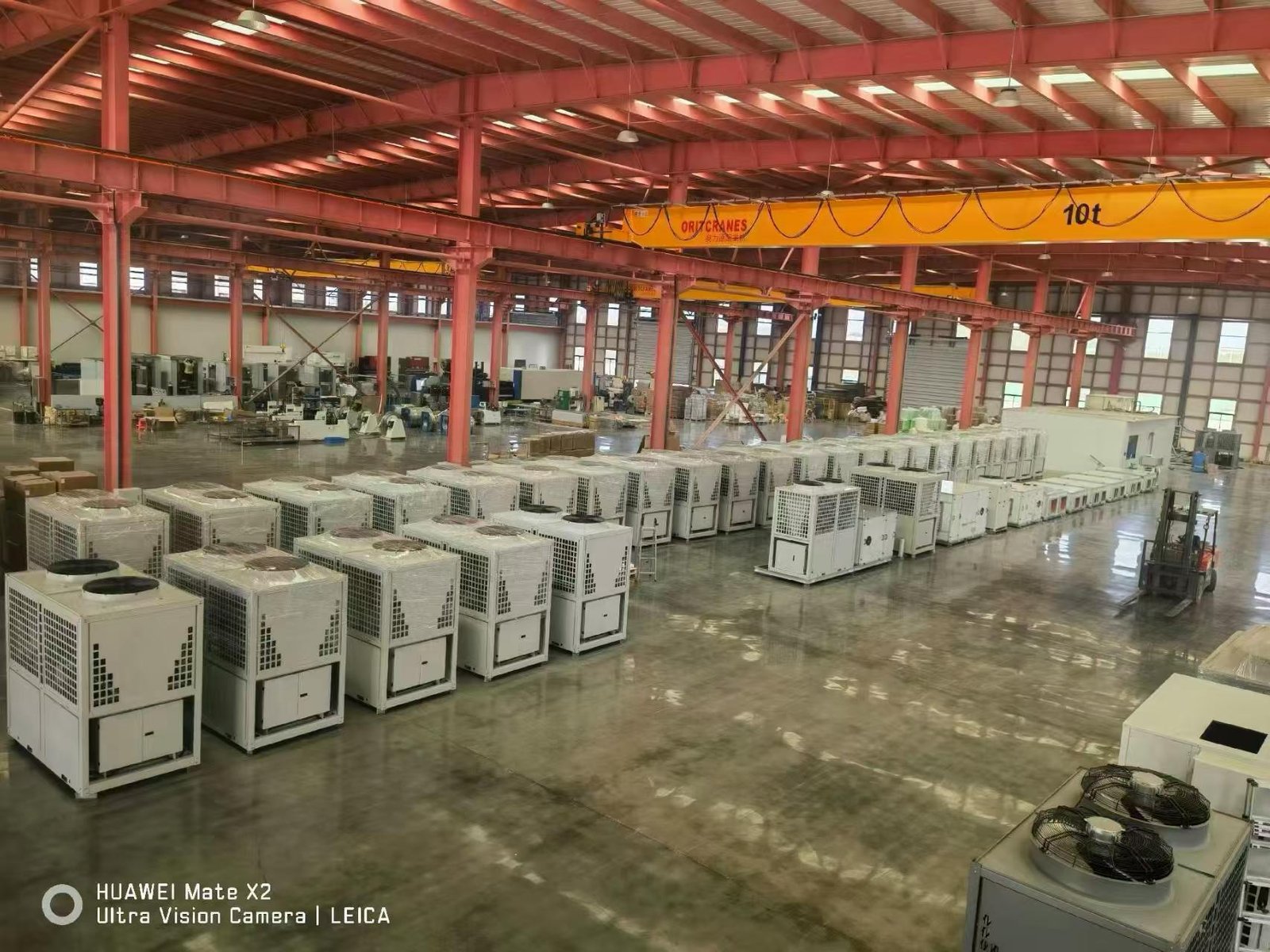
Main Design Challenges in Airport HVAC
Airside Challenges
- Large space air distribution
- High ceiling stratification
- Variable passenger density
- Fresh air and indoor air quality
- Glass facade solar heat gain
- HVAC noise control in public spaces
Operation Challenges
- Long daily operating hours
- 24/7 critical room cooling
- Maintenance without passenger disruption
- BMS and alarm coordination
- Future expansion planning
- Energy saving without reducing ventilation quality
Practical Design Workflow
Divide the Airport Into HVAC Zones
List terminal halls, gates, corridors, offices, lounges, baggage areas, security areas, restaurants, equipment rooms, control rooms and support buildings. Each zone should have its own occupancy pattern, design condition and operating schedule.
Estimate Cooling and Ventilation Loads
Cooling load should include people, lighting, equipment, envelope heat gain, solar gain, fresh air load and infiltration from doors. Ventilation should be based on occupancy, local code and air quality goals.
Choose Air Distribution Strategy
For high spaces, air distribution is often more important than simply increasing cooling capacity. The design should deliver conditioned air to the occupied zone without overcooling the upper volume.
Select Central or Distributed Equipment
Large terminal areas often use central air handling and chilled water. Smaller support spaces, temporary areas and technical rooms may use DX units or precision systems.
Plan Control and Energy Management
Use schedules, sensors, variable speed fans, VAV boxes, BMS integration and demand-based ventilation where suitable.
Plan Maintenance Without Disruption
Equipment rooms, access doors, filter replacement paths, coil cleaning access and safe roof access should be planned early.
Airport HVAC Equipment Options
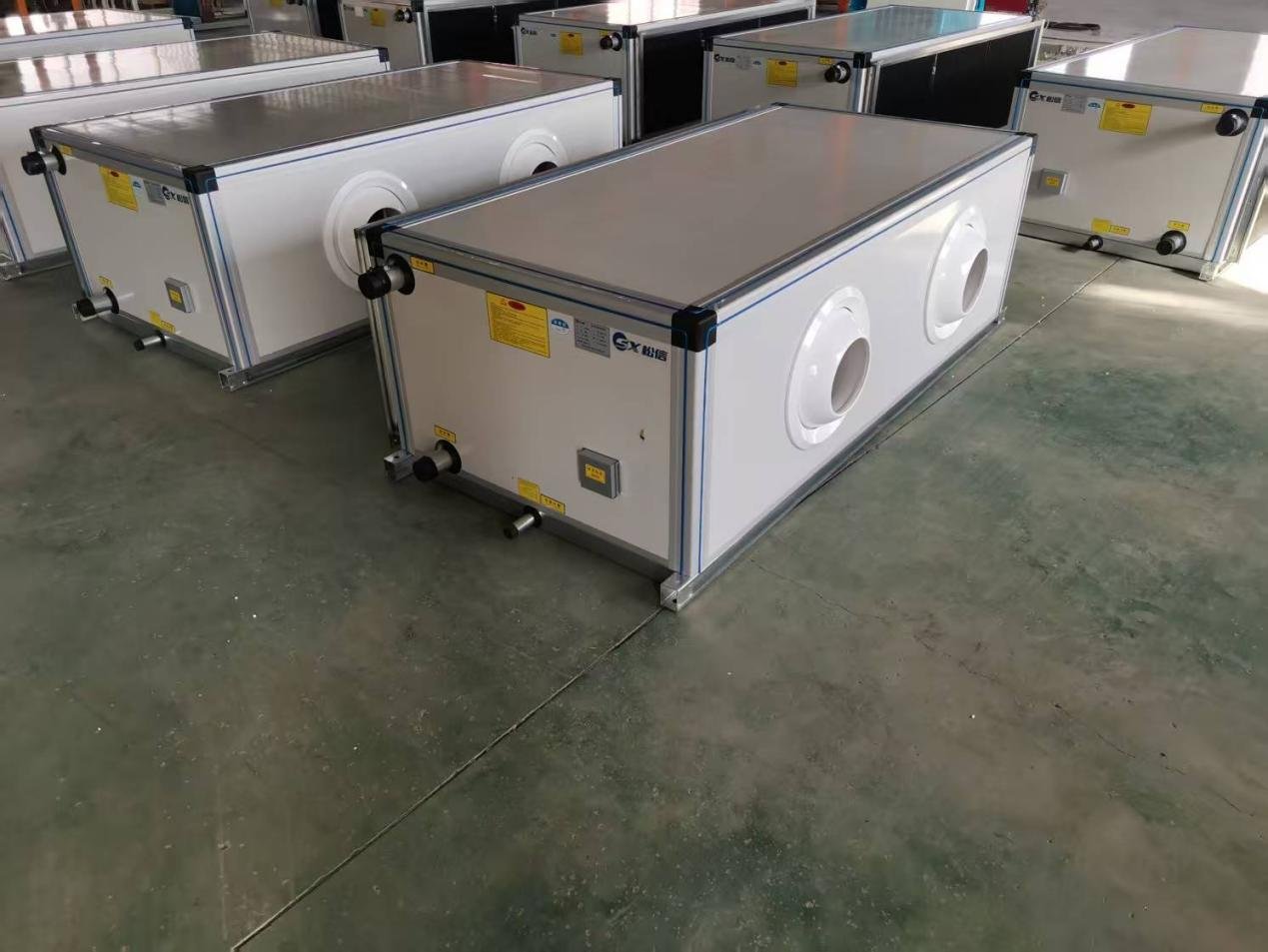
Air Handling Units
Central to many terminal systems. AHUs supply conditioned and filtered air to large zones with high airflow, static pressure and fresh air control.
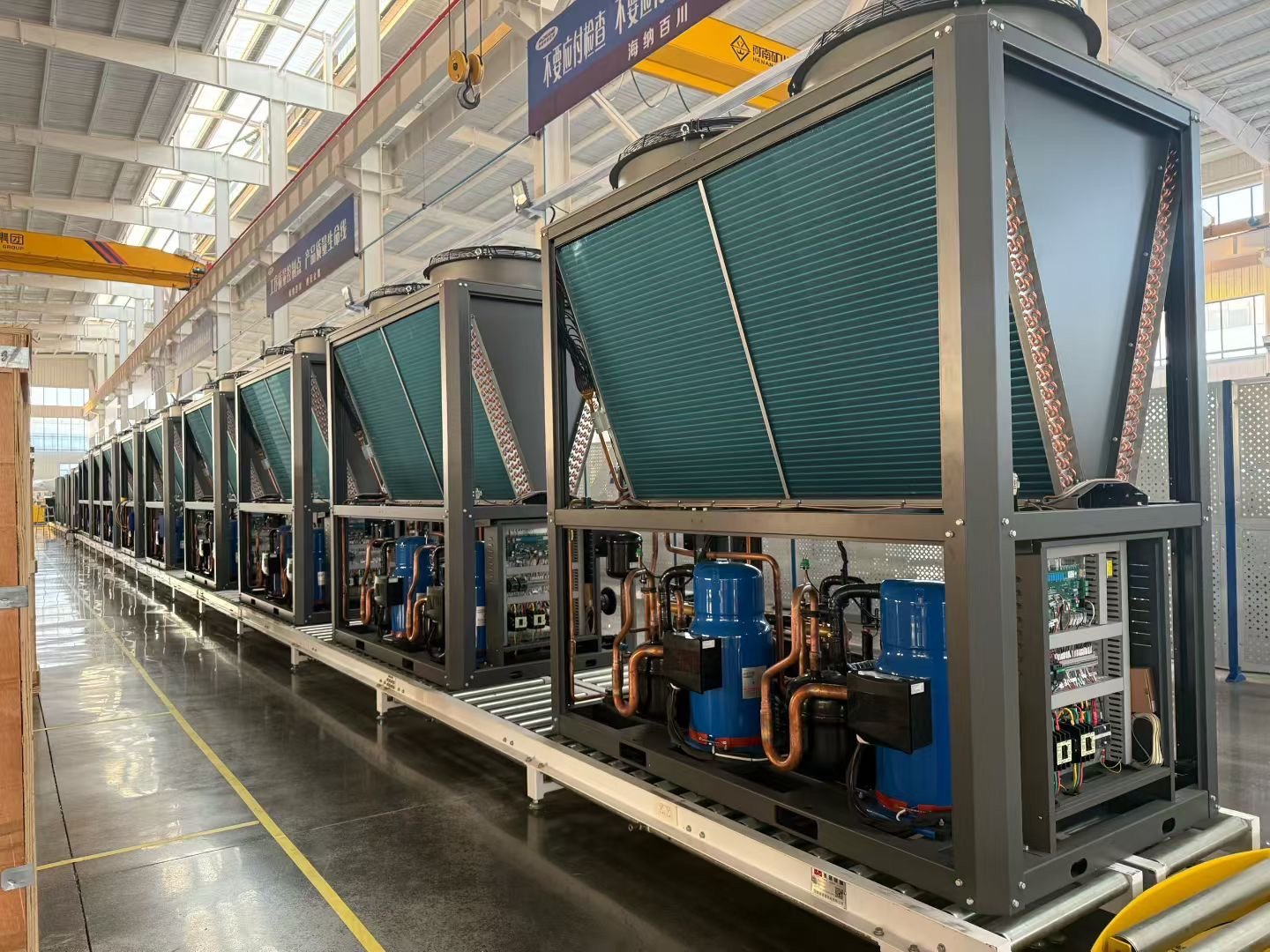
Air-Cooled Screw Chillers
Useful when outdoor installation is preferred and a cooling tower system is not ideal for airport support buildings or selected terminals.
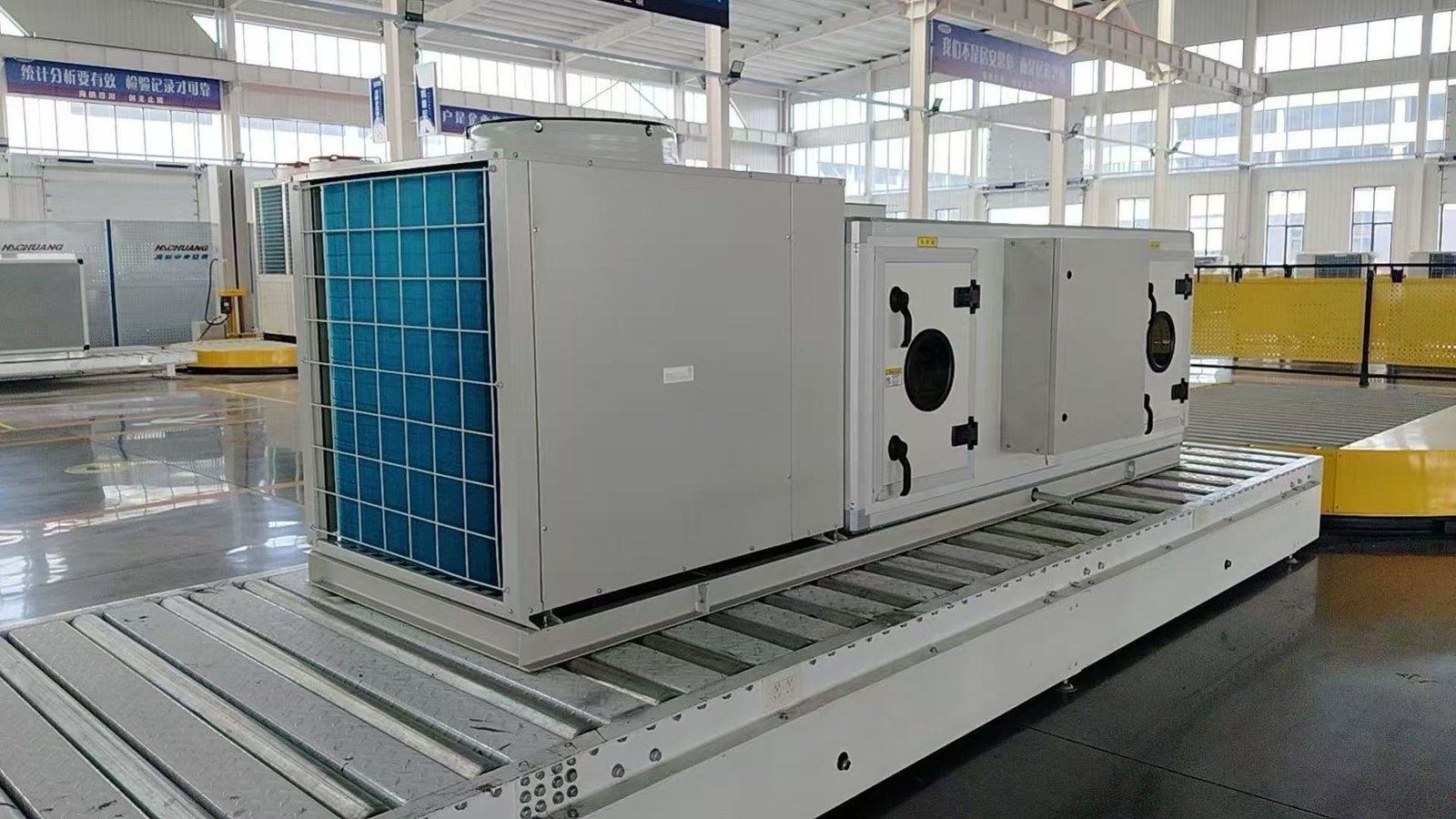
DX Units
Suitable for smaller airport buildings, offices, temporary spaces, control rooms, modular facilities or independent zones.
How to Choose Between AHU, Chiller and DX Equipment
| Design Question | Better Direction |
|---|---|
| Is the area a large public terminal hall? | Central AHU plus chilled-water cooling is often suitable |
| Is the area a small independent support building? | DX unit or smaller chilled-water system may be practical |
| Is the space critical with electronic heat load? | Precision AC or dedicated redundant cooling should be considered |
| Is the project in a water-limited location? | Air-cooled screw chiller may reduce cooling tower needs |
| Does the area have changing passenger density? | Zoning and variable airflow control become important |
| Does the area need high filtration or special humidity? | AHU configuration must be specified carefully |
Airport Ventilation System Planning
A good airport ventilation system should balance comfort, air quality and energy use. Different zones need different strategies, so ventilation should not be treated as one fixed value for the entire airport.
- Fresh air volume by zone
- Passenger occupancy assumptions
- Staff working areas
- Exhaust from toilets, kitchens and service rooms
- Pressure relationships between zones
- Smoke control coordination where required
- Demand-controlled ventilation options
- Energy recovery feasibility
Zoning and Control Strategy
| Zone | Recommended Control Focus |
|---|---|
| Departure hall | Occupancy variation and high ceiling air distribution |
| Arrival hall | Passenger flow and baggage area connection |
| Security area | Queue density and quick load changes |
| Lounge | Comfort, quiet operation and air quality |
| Retail area | Internal heat load and business hours |
| Technical rooms | Reliability and independent cooling |
| Maintenance areas | Ventilation and local load control |
A well-designed airport HVAC control system should support time schedules by zone, occupancy-based adjustment, variable fan speed, chilled-water temperature optimization, fresh air modulation, filter alarms, fault alarms, BMS monitoring and independent control for critical rooms.
Energy-Saving Methods for Airport HVAC
- Variable-speed fans
- Variable water flow
- High-efficiency chillers
- Heat recovery ventilation
- Demand-controlled ventilation
- Smart scheduling by flight flow
- Separate operation for peak and off-peak zones
- Proper insulation and duct sealing
- Building management system integration
- Regular filter and coil maintenance
Common Airport HVAC Design Mistakes
- Designing by total floor area only
- Ignoring high ceiling air stratification
- Treating all terminal zones the same
- Underestimating peak passenger load
- Poor coordination with glass facade solar gain
- Inadequate fresh air control
- No independent cooling for technical rooms
- Limited maintenance access
- Oversized equipment without part-load strategy
- Not planning future expansion
Information Needed for Airport HVAC Equipment Selection
- Airport building drawings
- Zone function list
- Passenger load and operation schedule
- Outdoor design conditions
- Indoor design temperature and humidity
- Fresh air requirements
- Cooling and heating load calculation
- Available installation space
- Power supply
- Noise requirements
- Control and BMS requirements
- Maintenance access plan
Frequently Asked Questions
What HVAC systems are used in airports?
Airports may use air handling units, chillers, fan coil units, DX units, precision air conditioning, ventilation systems and building management controls. The equipment depends on the zone and building size.
Why is airport ventilation important?
Airport ventilation helps maintain indoor air quality for passengers and staff. It also supports comfort, odor control, pressure balance and safe operation of different spaces.
Are DX units suitable for airport HVAC?
DX units can be suitable for smaller airport buildings, independent rooms, offices, temporary facilities and technical support spaces. Large terminals often use central air handling and chilled-water systems.
How can airports reduce HVAC energy use?
Airports can reduce energy use with zoning, variable-speed equipment, demand-controlled ventilation, heat recovery, efficient chillers and smart operation schedules.
What should be considered when selecting airport AHUs?
Important factors include airflow, static pressure, filtration, coil capacity, casing strength, noise level, fresh air ratio, service access and control integration.
Can air-cooled screw chillers be used in airport projects?
Yes. Air-cooled screw chillers can be used in airport support buildings, terminal areas or infrastructure projects where outdoor installation and no cooling tower are preferred.
SongXin Equipment Ranges for Airport Projects
| Equipment | SongXin Range | Typical Airport Use |
|---|---|---|
| Air handling units | 1,000 – 40,000 m3/h, ceiling / vertical / horizontal | Terminal halls, baggage areas, lounges, commercial zones |
| Air-cooled screw chillers | 173 – 1475 kW, operating -35 deg C to +48 deg C | Support buildings, water-limited sites, selected terminals |
| DX rooftop units | 25 – 520 kW, fixed speed / inverter | Offices, modular and support buildings, independent zones |
All units are tested to AHRI / EN / GB/T benchmarks and built under ISO 9001 with CE, AHRI, EN 14511 and ROHS compliance.
About SongXin
SongXin (SXIN HVAC) is a commercial and industrial HVAC manufacturer with 15+ years of experience, 500+ delivered projects and customers in 50+ countries. It supplies air handling units, air-cooled and water-cooled chillers, DX systems, heat pumps and precision cooling, enabling a coordinated zone-by-zone airport HVAC design from one source. Contact: info@sxinhvac.com · +86 153-1889-6990.
Need Airport HVAC Equipment Support?
SongXin provides HVAC solutions for airport terminals, support buildings, technical rooms and infrastructure projects. Our team can help discuss air handling units, chillers, DX units and project-specific equipment selection.
Contact SongXin for Airport HVAC Support →