

What Is a Direct Expansion Air Conditioner? DX Unit Types and Applications
A direct expansion air conditioner, often called a DX air conditioner or DX unit, cools air by expanding refrigerant directly inside the indoor evaporator coil. It is a compact and practical HVAC choice for commercial buildings, equipment rooms, remote sites and temporary cooling projects.
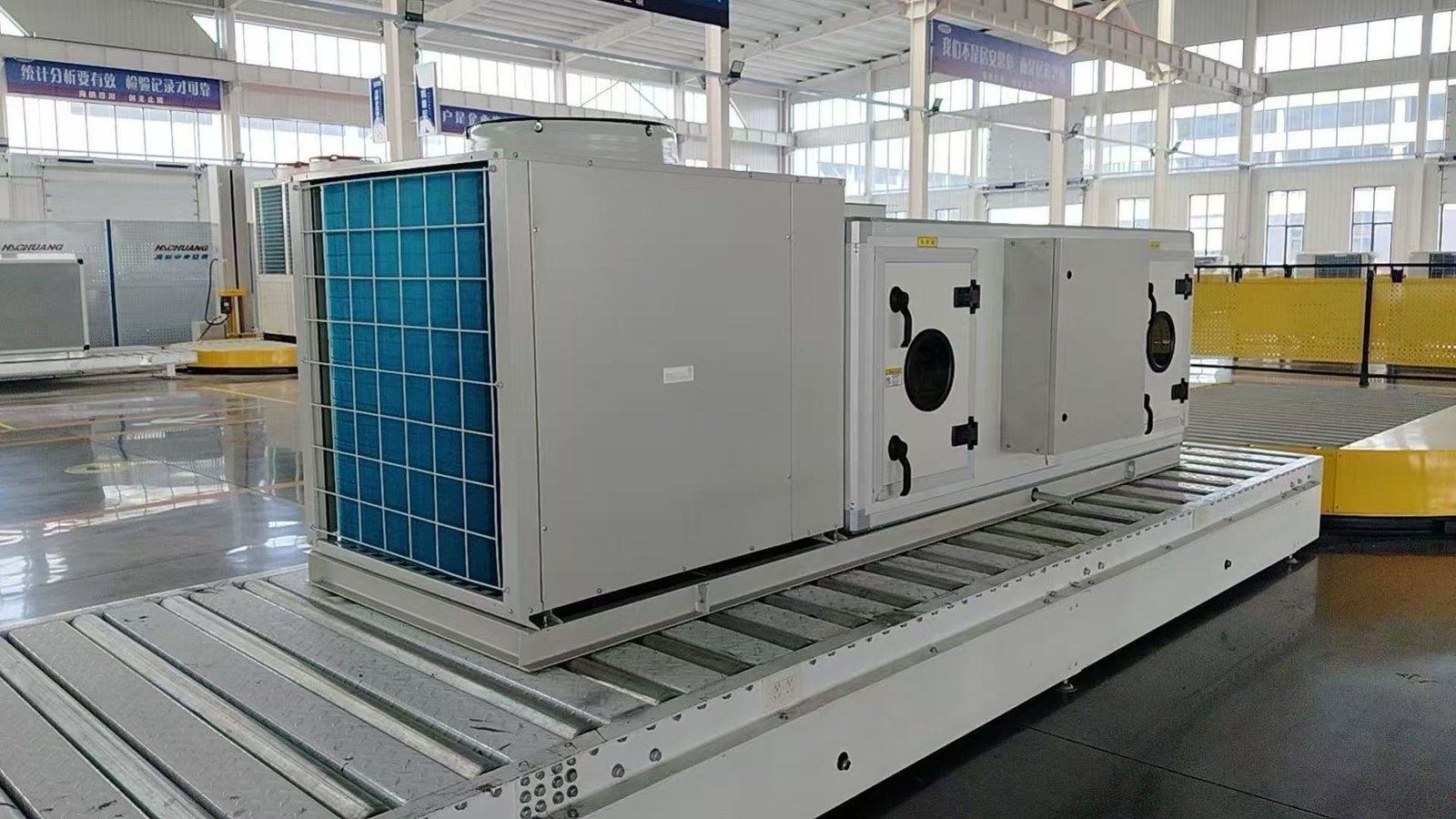
If you are comparing direct expansion air conditioners for a building, equipment room, temporary facility or remote site, it is important to understand how DX technology works and when it is the right choice.
DX systems are popular because they provide reliable cooling with a compact structure, fast response and flexible installation. They can be used as rooftop units, ducted units, split systems, packaged air conditioners, tent air conditioners and remote-site cooling units.
Direct Answer
A direct expansion air conditioner is an HVAC system that cools air by allowing refrigerant to expand directly inside the indoor evaporator coil. The refrigerant absorbs heat from the air, then carries that heat to the condenser where it is rejected outdoors.
DX systems are best for projects that need independent cooling, fast installation, compact equipment and simpler infrastructure than a chilled-water plant. They are highly practical for standalone commercial spaces, equipment rooms, site offices, telecom shelters, temporary halls and selected industrial areas. For product options, see SongXin’s direct expansion DX units.
What Does Direct Expansion Mean?
Direct expansion means the refrigerant expands directly inside the cooling coil and absorbs heat from the air passing over that coil. As indoor air passes through the evaporator coil, heat is transferred from the air to the refrigerant. The cooled air is then supplied back to the room or duct system.
This is different from a chilled-water system. In a chilled-water system, a chiller first cools water, and that water is pumped to air handling units or fan coil units. In a direct expansion air conditioning unit, the refrigerant cools the air directly.
Refrigerant expands inside the air coil and removes heat directly from the airstream.
A chiller cools water first, then pumps it to air-side equipment through piping.
DX is strongest where compact equipment, independent zones and faster installation matter.
How a Direct Expansion Air Conditioner Works
A basic DX air conditioner includes a compressor, condenser, expansion device, evaporator coil, fans, controls and safety protection. The process is continuous: refrigerant absorbs indoor heat at the evaporator, carries that heat to the condenser and releases it outdoors.
Low-pressure refrigerant vapor is compressed into high-pressure vapor.
Hot refrigerant rejects heat through the outdoor condenser.
Pressure drops through the expansion device before the evaporator.
Refrigerant absorbs indoor heat inside the coil to produce cooling.
The Refrigerant Cycle in Simple Engineering Terms
| Stage | What Happens | Why It Matters |
|---|---|---|
| Compression | Low-pressure refrigerant vapor is compressed into high-pressure vapor | Creates the pressure difference needed for heat rejection |
| Condensation | Hot refrigerant rejects heat through the condenser | Outdoor airflow and ambient temperature affect this stage |
| Expansion | Refrigerant pressure drops through an expansion device | Prepares the refrigerant to absorb heat at the evaporator |
| Evaporation | Refrigerant absorbs indoor heat inside the coil | Produces cooling for the room or air duct system |
Important Components Buyers Should Understand
Compressor
Drives refrigerant circulation. Its design affects efficiency, noise, starting current, operating range and service needs.
Condenser
Rejects heat outdoors. Airflow clearance is critical because hot air recirculation raises pressure and reduces capacity.
Evaporator Coil
Cools air. Coil face area, air velocity, refrigerant distribution and condensate drainage affect real performance.
Expansion Device
Controls refrigerant flow into the evaporator and helps the system adapt to changing load conditions.
Fans
Move air across indoor and outdoor coils. Ducted and rooftop systems must match the required external static pressure.
Controls and Safety
Protect against high pressure, low pressure, overload, phase loss, sensor errors and freezing risk.
Main Types of DX Units
Direct expansion air conditioners come in several forms. The right type depends on building layout, capacity, installation space and operating environment.
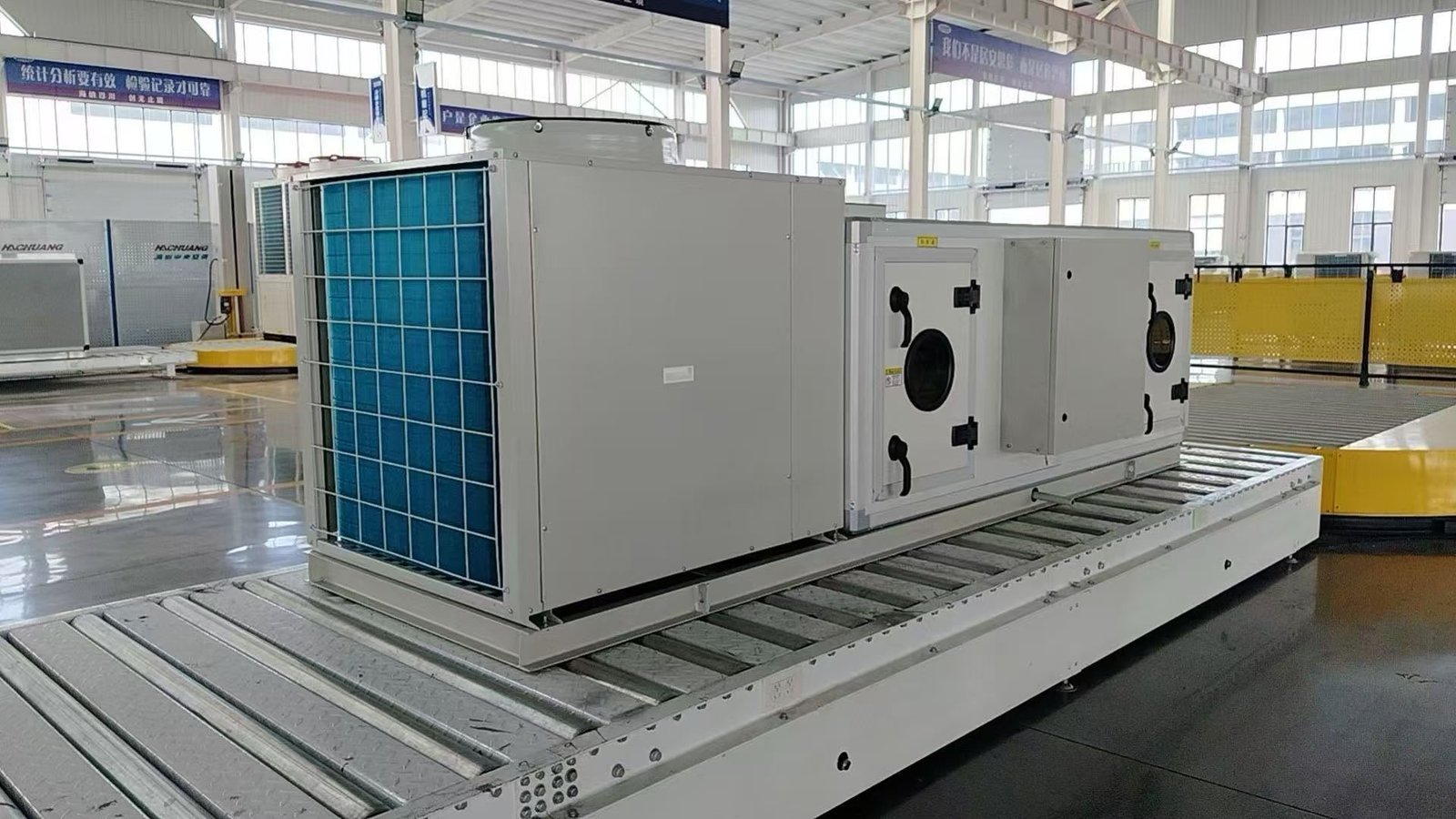
DX Rooftop Units
Packaged systems installed outdoors, usually on a roof or platform. They connect to air ducts and are widely used in retail, warehouses, restaurants and public areas.
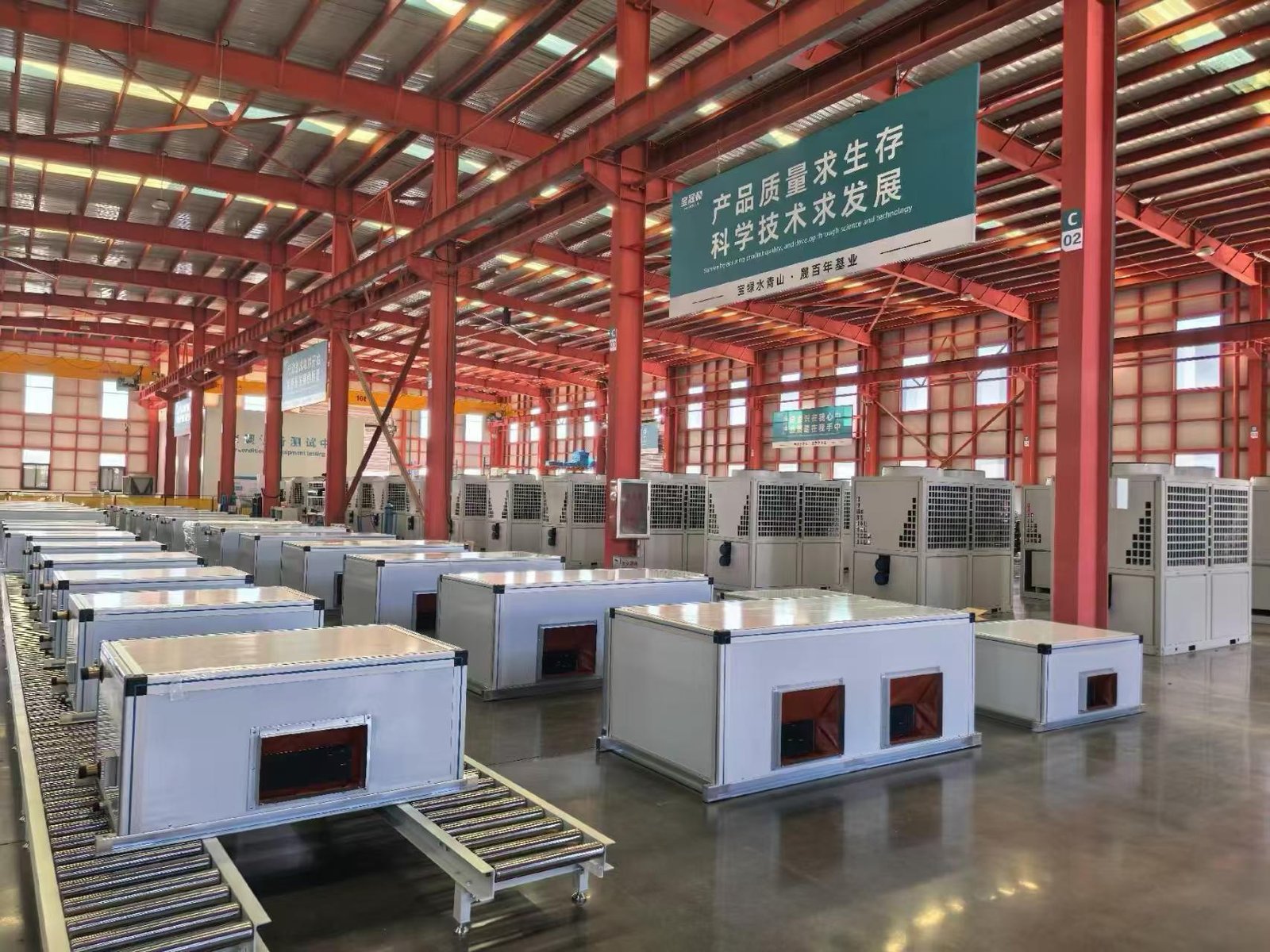
Ducted DX Units
Designed for ductwork and hidden indoor installation above ceilings. A good choice for offices, villas, showrooms and small commercial spaces.
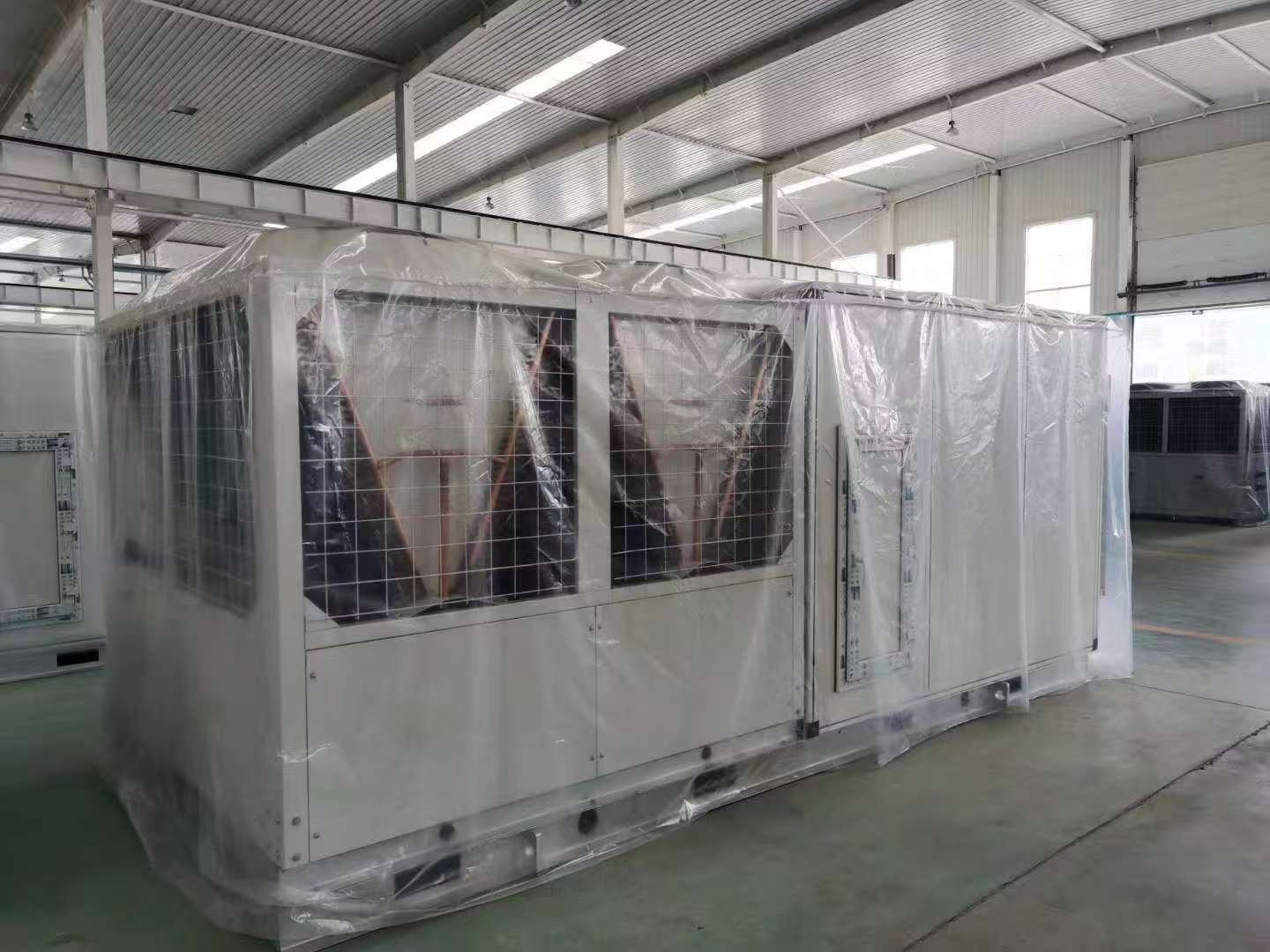
DX Split Systems
Separate indoor and outdoor sections allow more installation flexibility for equipment rooms, modular buildings and control rooms.
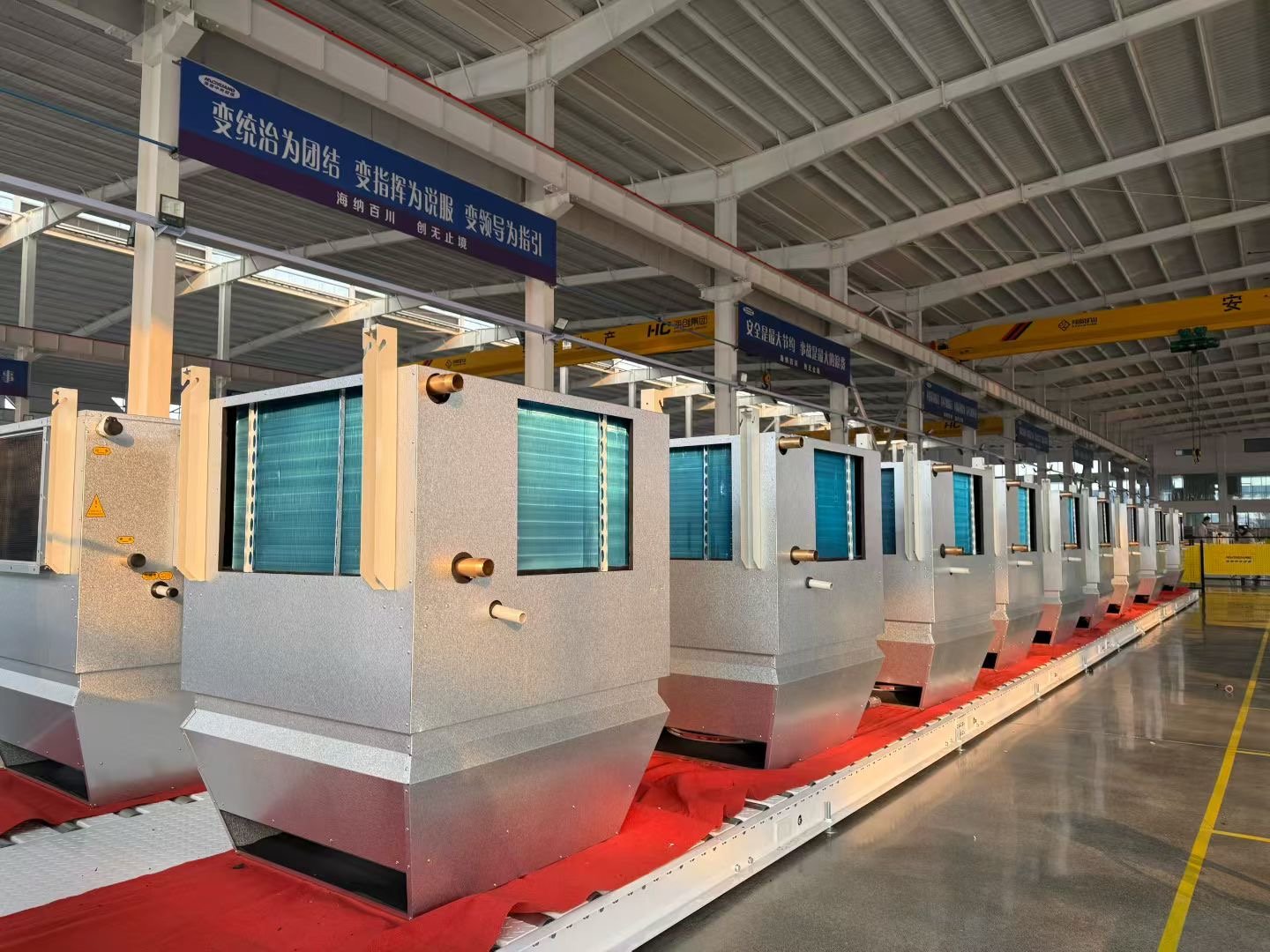
Packaged, Tent and Remote-Site DX
Useful for standalone applications, temporary buildings, industrial support areas, telecom shelters, mining sites and unmanned rooms.
DX Unit Selection Matrix
Match the Unit to the Project
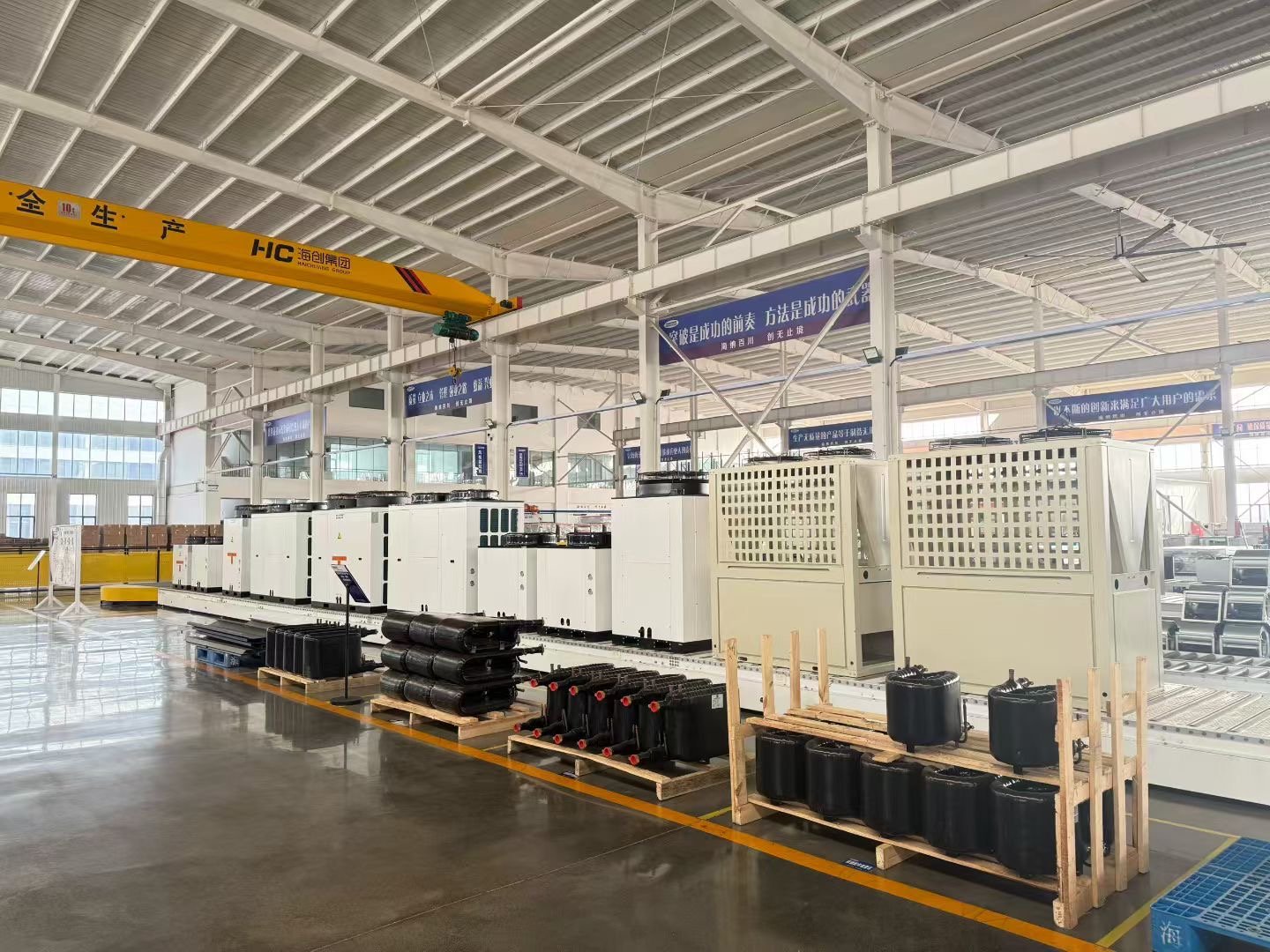
Direct expansion air conditioners are flexible, but the type must match the installation. A rooftop unit, concealed ducted unit, split system and remote-site unit solve different problems.
For early selection, start with cooling load, installation location, duct requirement, ambient temperature, operating hours and maintenance access.
| Project Requirement | Recommended DX Type | Notes |
|---|---|---|
| Fast cooling for a shop or small commercial building | DX rooftop unit or ducted DX unit | Choose based on roof space and duct layout |
| Hidden indoor installation | Ducted DX unit | Check external static pressure and access panels |
| Small equipment room | DX split system or packaged DX unit | Confirm heat load and redundancy requirement |
| Event tent or temporary hall | Tent air conditioner or packaged DX unit | Prioritize mobility, fast setup and air distribution |
| Remote telecom or oilfield shelter | Remote-site DX unit | Ask for dust, corrosion, power and monitoring options |
| Multiple independent zones | Several DX systems | Useful when zones operate at different schedules |
| Large central building | Chilled water or hybrid system | DX may still serve selected independent rooms |
Direct Expansion Air Conditioner vs Chilled Water System
Both DX systems and chilled-water systems are widely used in HVAC projects. The better option depends on project size, control needs and installation conditions.
| Comparison Item | Direct Expansion Air Conditioner | Chilled Water System |
|---|---|---|
| Cooling medium at air coil | Refrigerant | Chilled water |
| System complexity | Usually lower | Usually higher |
| Installation speed | Often faster | Often longer |
| Plant room requirement | Smaller or not required | Often required |
| Best for | Small to medium projects, standalone zones, remote sites | Large buildings and central cooling plants |
| Maintenance | Unit-level maintenance | Central plant and water system maintenance |
Where Direct Expansion Air Conditioners Are Used
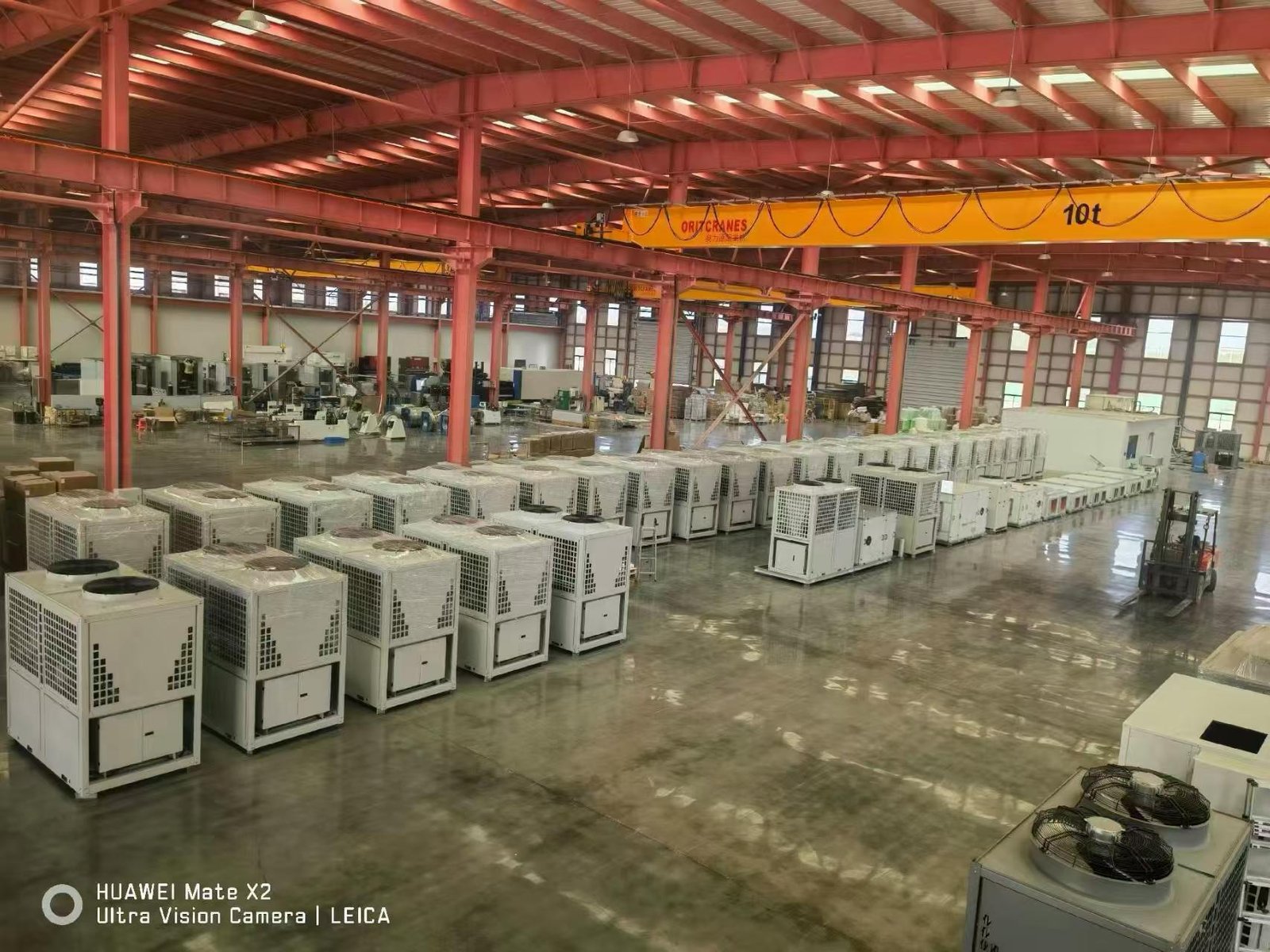
Commercial Buildings
Shops, offices, restaurants, showrooms, small hotels, gyms and service spaces.
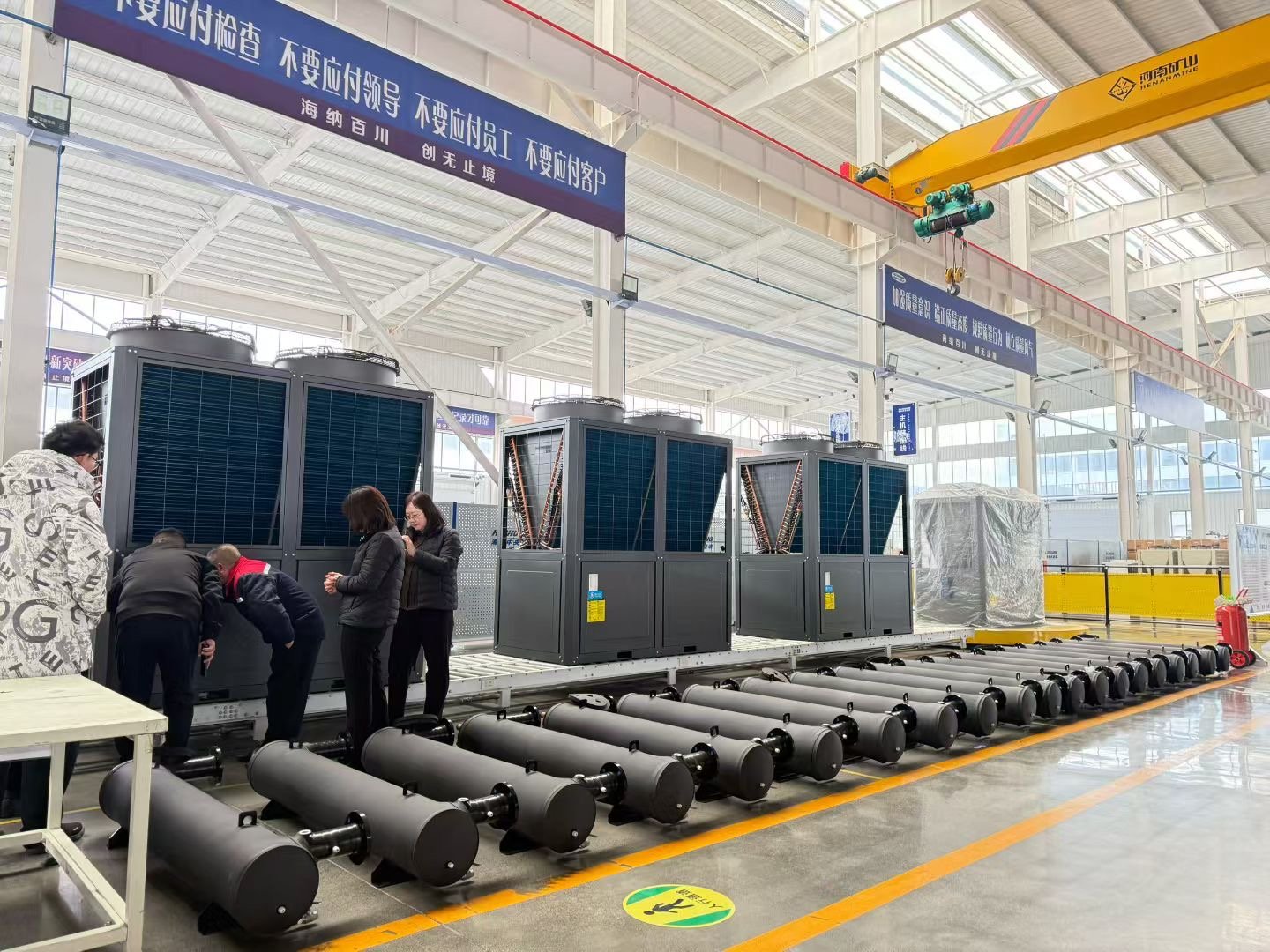
Industrial Facilities
Electrical rooms, control rooms, staff areas, workshops and selected process zones.
Temporary Structures
Event tents, temporary halls, exhibitions and emergency facilities needing fast setup.
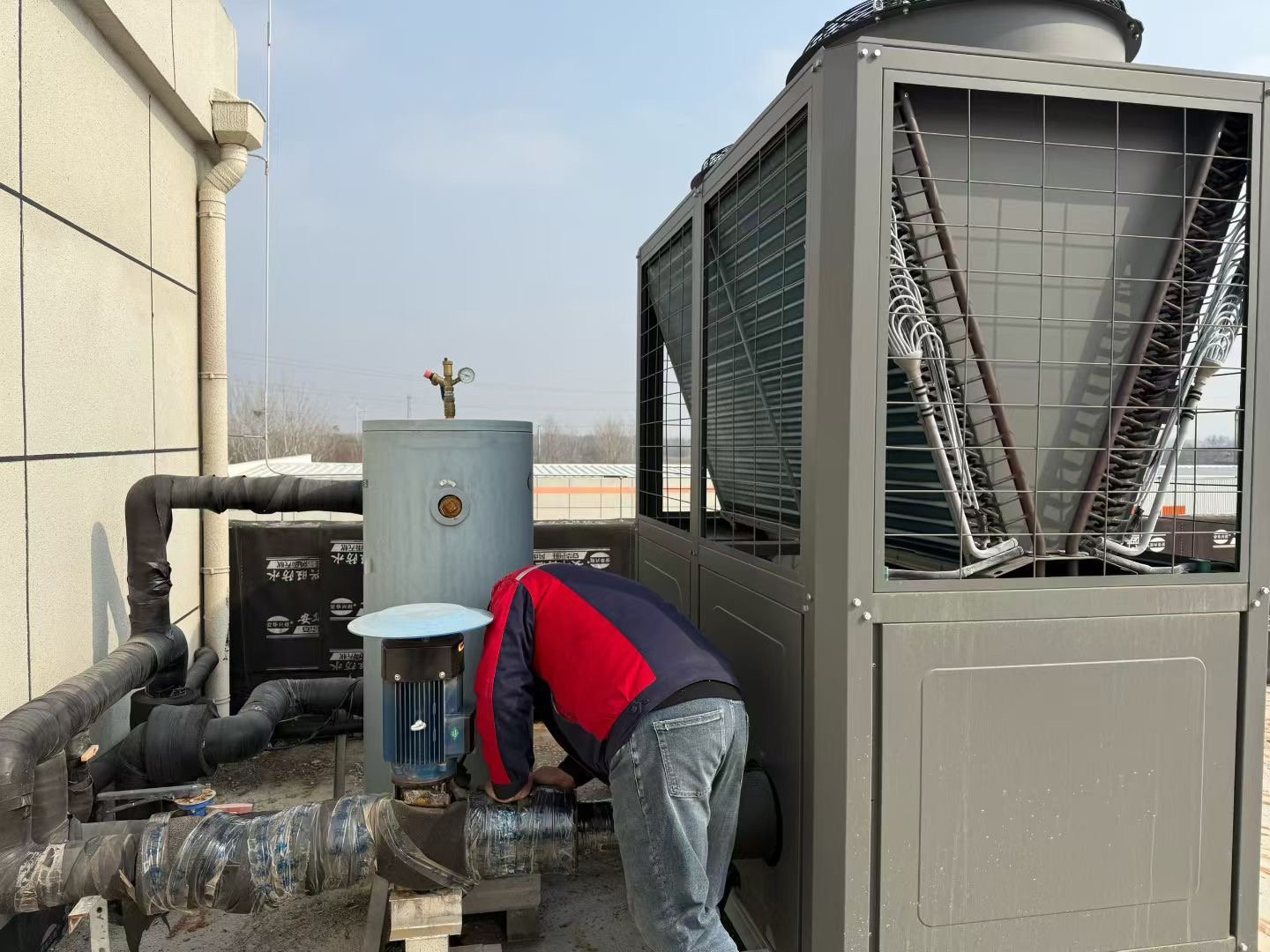
Telecom and Remote Sites
Base stations, remote monitoring rooms and off-grid shelters requiring autonomous cooling.
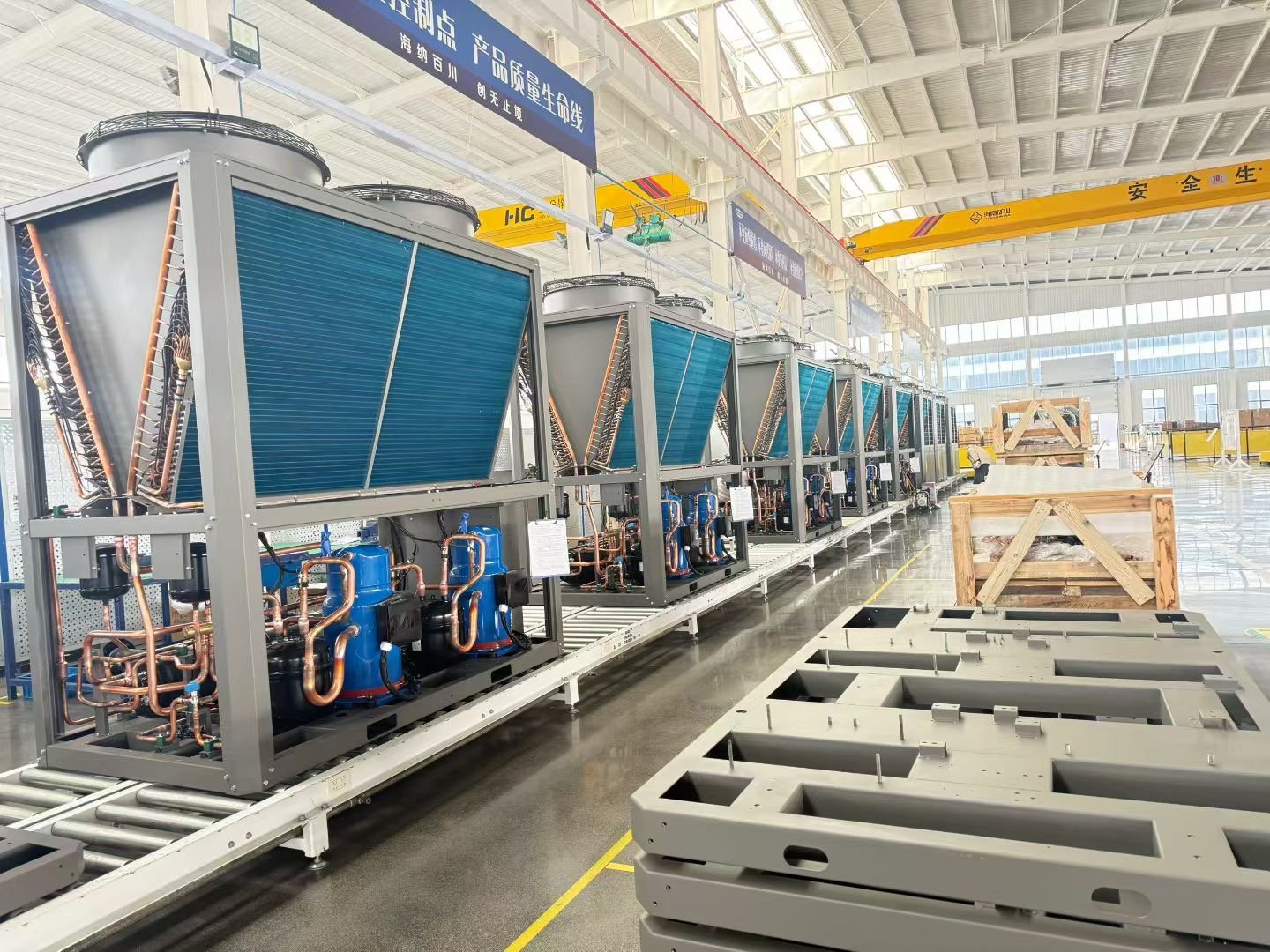
Technical Rooms
Server rooms, electrical rooms, control rooms and equipment shelters with local heat loads.
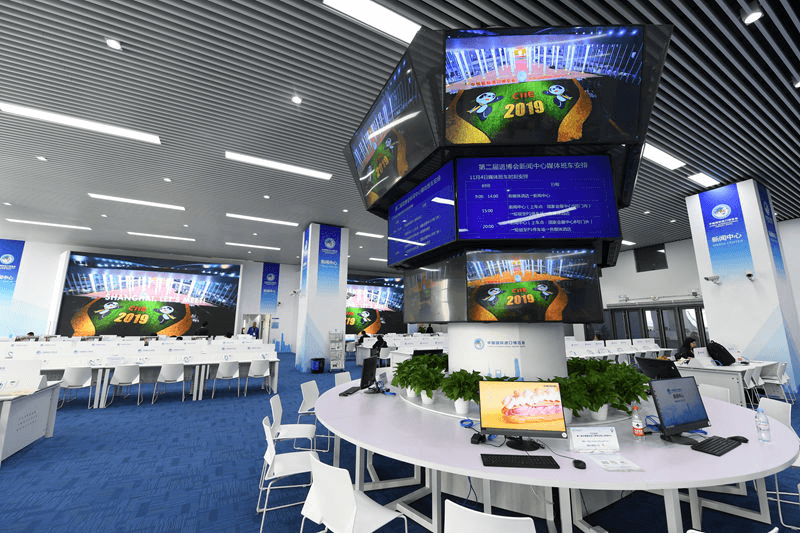
Retail and Hospitality
Shopping malls, hotels and large public areas with variable occupancy and schedule needs.
Benefits of Direct Expansion Air Conditioners
Compact Equipment Layout
DX units can reduce the need for pumps, cooling towers and large chilled-water pipe systems.
Fast Cooling Response
Because the refrigerant cools the coil directly, a DX unit can respond quickly to temperature changes.
Flexible Installation
Rooftop, ducted, split and packaged designs allow DX units to fit many building types.
Independent Zone Control
Separate DX systems make it easier to operate only the zones that need cooling.
Remote and Temporary Fit
DX systems are easier to deploy than central plant systems for remote-site and temporary applications.
Simpler Infrastructure
Many projects can avoid a large mechanical room, cooling tower and chilled-water distribution loop.
Limitations to Consider
DX Is a Strong Choice When…
- The project is small or medium-sized
- The space needs independent control
- Installation must be fast
- A central chiller plant is not practical
- Mechanical room space is limited
- The project is temporary or remote
Check Carefully When…
- Large buildings need many separate units
- Refrigerant piping layout is complex
- Humidity control is critical
- Critical rooms need backup cooling
- Outdoor units face dust, salt spray or high ambient temperature
- Maintenance access is limited
How to Choose the Right DX Unit
Good selection should consider capacity, airflow, controls, installation, maintenance and operating conditions. Before selecting a direct expansion air conditioning unit, prepare the following information.
| Data Needed | Why It Matters |
|---|---|
| Room size or cooling load | Determines unit capacity |
| Indoor design condition | Affects coil and airflow selection |
| Outdoor design temperature | Affects condenser and compressor performance |
| Power supply | Determines electrical configuration |
| Installation type | Helps choose rooftop, split, ducted or packaged design |
| Air duct requirement | Affects fan static pressure |
| Fresh air requirement | Adds cooling and humidity load |
| Noise limit | Important for offices, hotels and public spaces |
| Environment | Dust, salt spray or high ambient temperature may need protection |
| Controls | Determines thermostat, BMS or remote monitoring needs |
Example Project Analysis
Commercial Rooftop Application
A retail building needs cooling for a sales floor with limited indoor mechanical space. A DX rooftop unit may be suitable because the main equipment can be installed outdoors and connected to supply and return ducts.
The supplier should check capacity, duct static pressure, roof load, service access, drainage and noise.
Telecom Shelter
A telecom shelter has continuous equipment heat and may operate without staff on site. The DX unit should be selected for 24/7 operation, power stability, filtration, alarm output and high ambient performance.
If the site is dusty or coastal, coil protection should be discussed.
Temporary Event Hall
An event hall needs cooling for a short-term project. A movable packaged DX unit or tent air conditioner can be faster than installing a permanent chilled-water system.
The key questions are air distribution, power availability, outdoor unit placement and condensate drainage.
SongXin DX Capacity Range
For reference when sizing, SongXin packaged DX rooftop units cover 25-520 kW in fixed-speed and inverter versions, from small offices to large warehouses, alongside ducted, split, tent and remote-site DX configurations. Units are tested to AHRI / EN / GB/T benchmarks and built under ISO 9001 with CE, AHRI, EN 14511 and ROHS compliance.
| SongXin DX Option | Typical Use | Key Selection Focus |
|---|---|---|
| DX rooftop units | Commercial buildings, warehouses, retail | Capacity, airflow, duct static pressure, roof installation |
| Ducted DX units | Offices, villas, showrooms, hotels | Concealed installation, noise, air distribution |
| DX split systems | Equipment rooms, modular buildings, control rooms | Refrigerant pipe layout, indoor/outdoor placement |
| Tent and remote-site DX units | Events, telecom, mining, oil and gas, off-grid shelters | Mobility, dust, corrosion, power, remote monitoring |
Common Mistakes in DX System Selection
- Selecting by room area only
- Ignoring outdoor ambient temperature
- Not checking duct static pressure
- Underestimating fresh air load
- Poor outdoor unit airflow clearance
- No space for filter and coil maintenance
- Wrong unit type for the building layout
- No redundancy plan for critical rooms
- Comparing suppliers only by unit price
- Forgetting drainage, noise and electrical requirements
Frequently Asked Questions
Is a direct expansion air conditioner the same as a DX unit?
Yes. DX unit is a common short name for a direct expansion air conditioning unit.
Is a DX system better than a chilled-water system?
Not always. A DX system is often better for compact, standalone or fast-installation projects. A chilled-water system may be better for large central cooling plants.
Can DX units provide heating?
Some DX systems can provide heating if designed as heat pump units or equipped with suitable heating options. The final configuration depends on project requirements.
Are DX units suitable for industrial environments?
Yes, but the unit should be selected according to dust, corrosion, ambient temperature, operation hours and maintenance conditions.
What information should I send to a DX unit supplier?
Send cooling load, room conditions, outdoor temperature, power supply, installation type, duct requirement and project application.
What is a direct expansion air handler?
A direct expansion air handler is an air-side unit with a DX coil. Refrigerant expands inside the coil to cool the air passing through the unit. It may be connected to an outdoor condensing unit or integrated into a packaged system.
Do DX systems need water piping?
Most DX systems do not need chilled-water piping. They use refrigerant piping or a packaged refrigerant circuit. Some hybrid systems may include water-side components, but standard DX cooling is refrigerant-based.
What is the biggest risk when choosing a DX unit?
The biggest risk is selecting by nominal capacity while ignoring outdoor ambient temperature, duct static pressure, fresh air load, power supply and maintenance access. These factors can decide whether the unit works well after installation.
About SongXin
SongXin (SXIN HVAC) is a commercial and industrial HVAC manufacturer with 15+ years of experience, 500+ delivered projects and customers in 50+ countries. Its DX line covers rooftop, ducted, split, tent and remote-site units, built under ISO 9001 with CE, AHRI, EN 14511 and ROHS compliance. Contact: info@sxinhvac.com · +86 153-1889-6990.
Need Help Selecting a Direct Expansion Air Conditioner?
SongXin supplies direct expansion air conditioners, DX rooftop units, ducted DX units and remote-site DX systems for commercial and industrial projects.
Contact SongXin for a DX Unit Recommendation →