

Direct Expansion Air Conditioners and DX Units for Commercial HVAC
SongXin direct expansion air conditioners are designed for projects that need reliable cooling or heating without a large chilled-water plant. From rooftop packaged units to ducted DX systems and remote-site air conditioners, SongXin helps contractors, consultants and facility owners select DX units that match the building load, installation space, power supply and operating environment.
Get a DX Unit Quote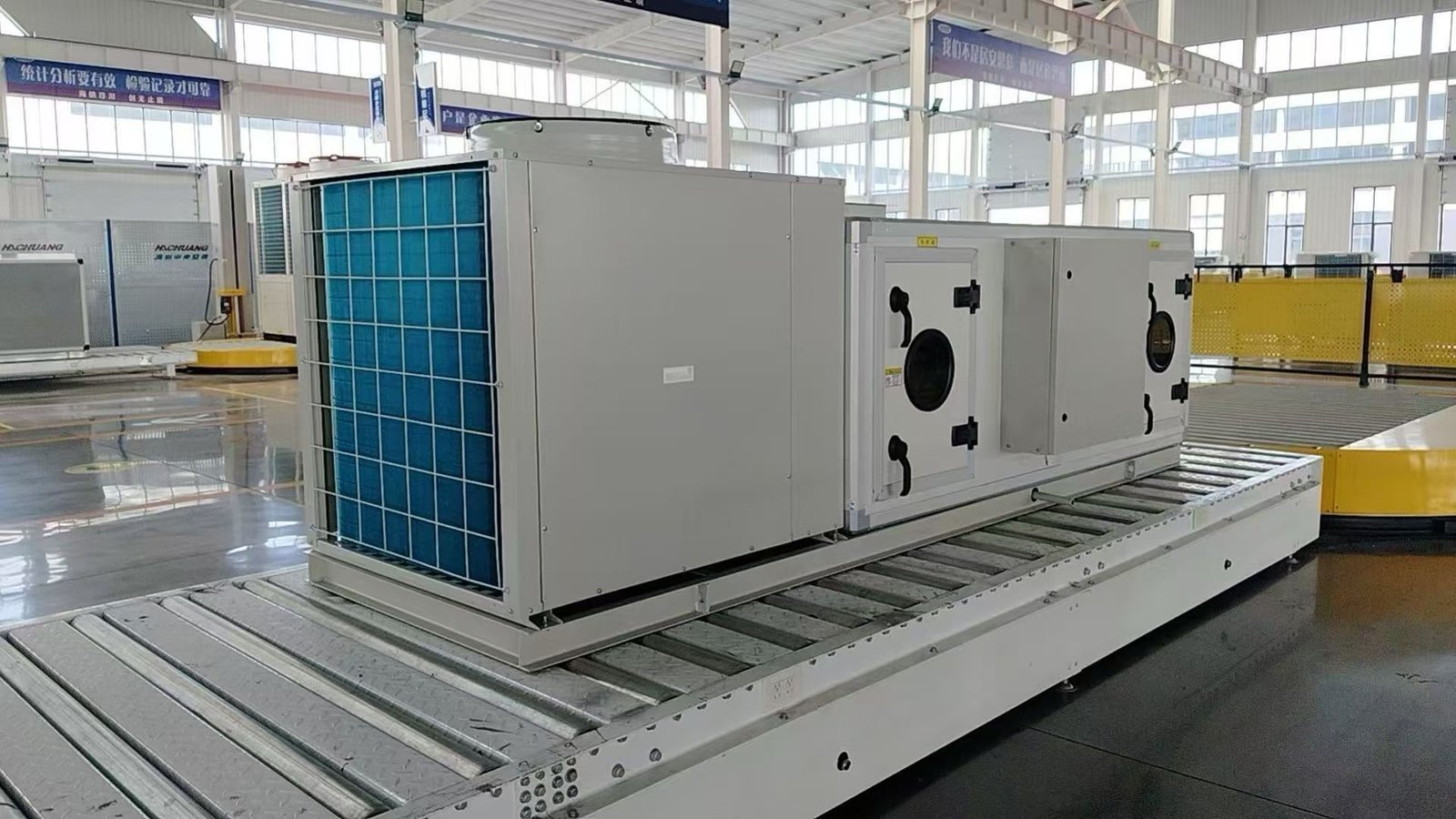
Direct expansion, often shortened to DX, means the refrigerant expands directly inside the indoor cooling coil. This makes the system compact, responsive and practical for commercial buildings, industrial rooms, temporary structures, telecom shelters, site offices and standalone facilities where a full central chiller system may not be necessary.
For buyers who need fast deployment, simple maintenance and flexible capacity, a direct expansion air conditioning unit can be a smart solution — and SongXin can configure capacity, airflow, coil protection and control logic against your real project conditions.
Quick Answer for Buyers
Direct expansion air conditioners are best for projects that need compact, independent and fast-to-install HVAC equipment. A DX unit is often selected for commercial buildings, site offices, telecom shelters, temporary halls, equipment rooms and remote facilities where a chilled-water plant would be too large, too slow or too costly to build. The correct DX solution depends on cooling load, airflow, outdoor ambient temperature, power supply, duct static pressure, fresh air ratio and service access.
If your project needs one packaged solution, choose a DX rooftop unit or packaged DX air conditioner. If the project needs hidden indoor installation, choose a ducted DX unit. If the installation requires separated indoor and outdoor sections, choose a DX split system. If the site is remote, dusty, hot, coastal or unmanned, choose a rugged remote-site DX unit with stronger casing, filtration, coil protection and remote monitoring.
What Is a Direct Expansion Air Conditioner?
A direct expansion air conditioner is an HVAC system where refrigerant absorbs heat directly from indoor air through an evaporator coil. The system usually includes a compressor, condenser, expansion device, evaporator, fans, controls and safety protection.
Unlike chilled-water systems, a DX unit does not first cool water and then circulate that water through air handling units or fan coils. Instead, the refrigerant circuit provides cooling directly to the air side. This reduces system complexity and can make installation easier for many project types.
Main Types of SongXin DX Units
SongXin can support several direct expansion unit configurations depending on project requirements.
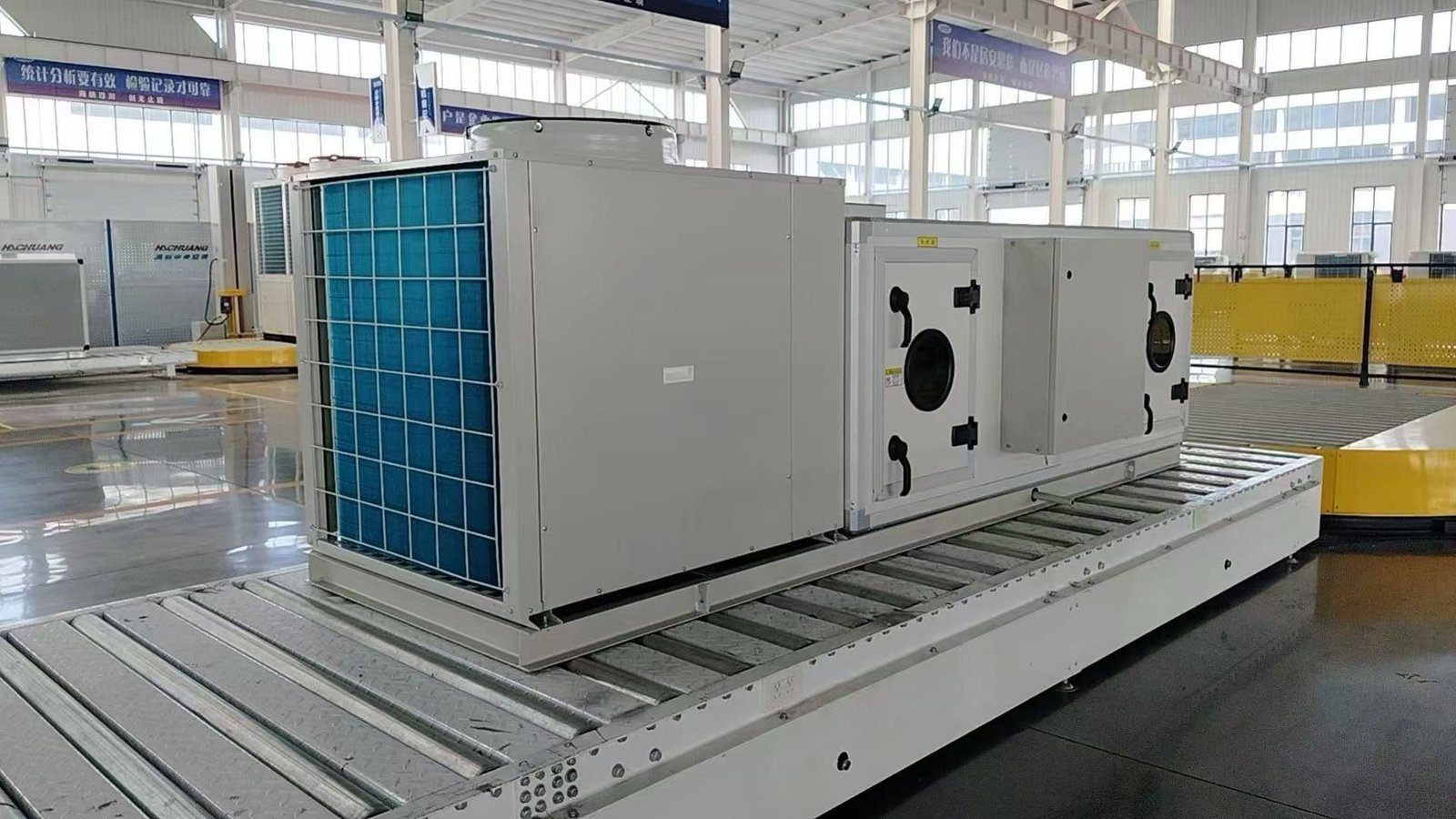
DX Rooftop Units
Outdoor packaged installation with simple duct connection — ideal for commercial buildings, retail spaces and warehouses.
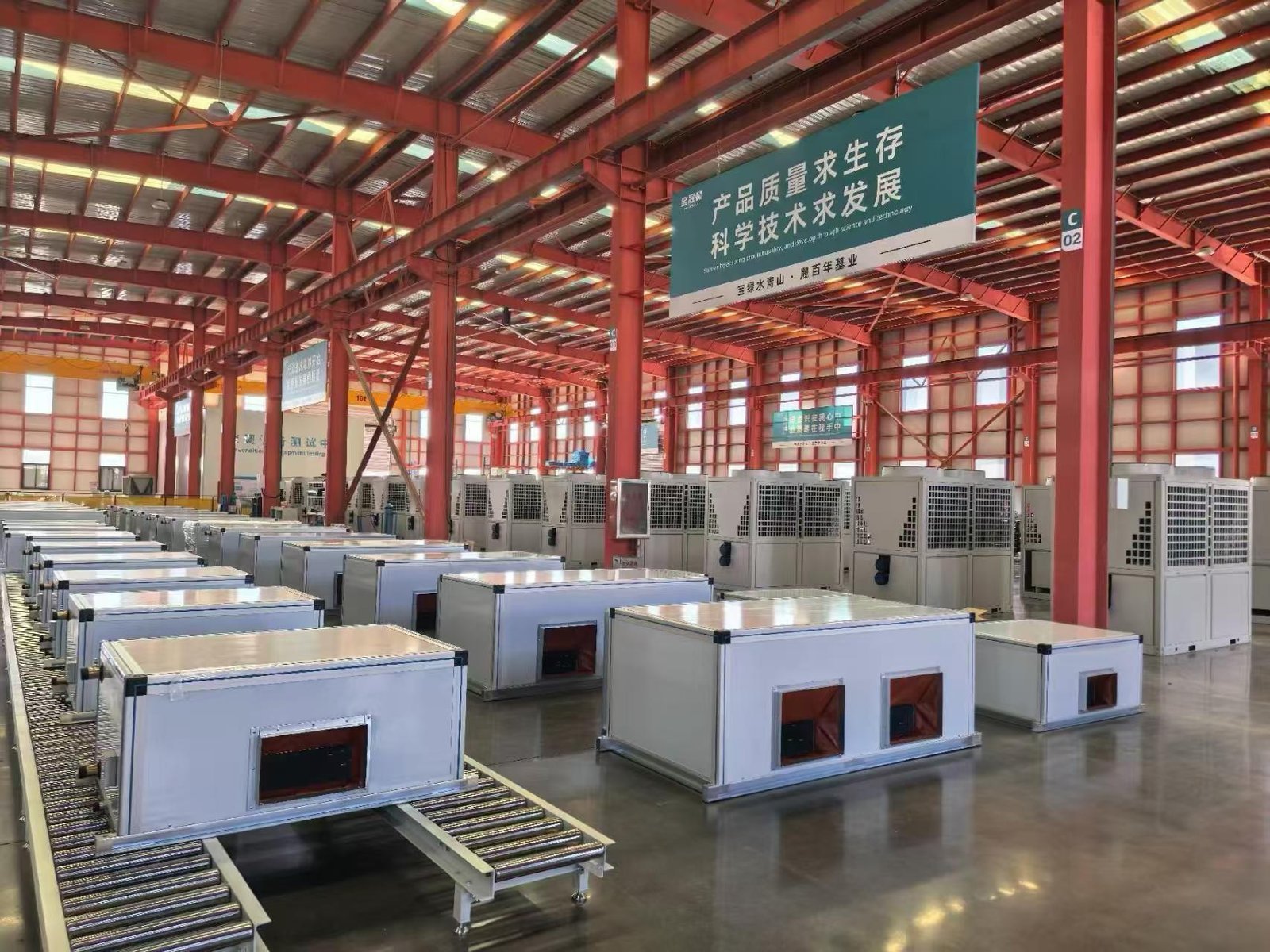
Ducted DX Units
Hidden indoor installation with air duct distribution — best for offices, villas, showrooms and small commercial areas.
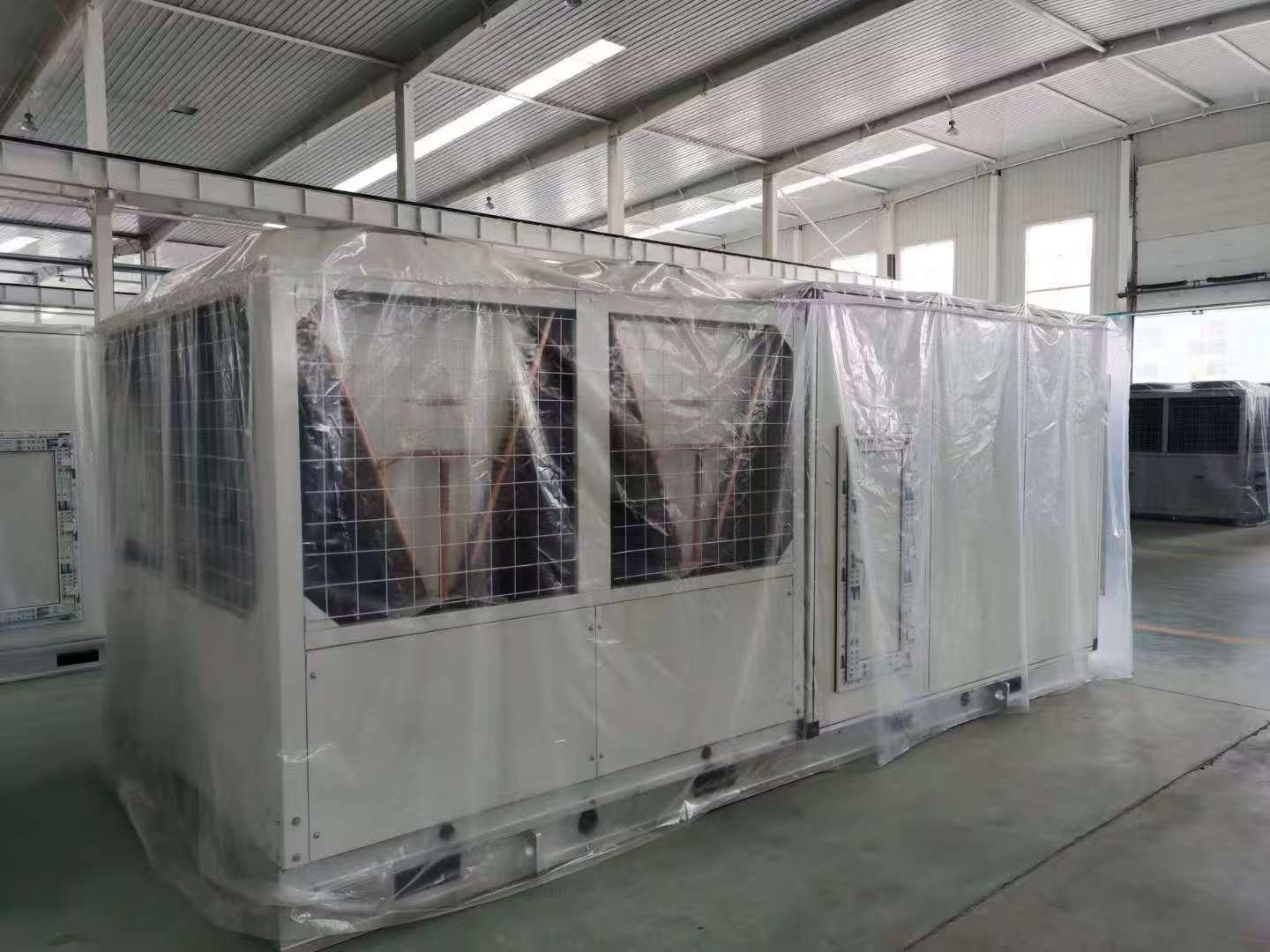
DX Split Systems
Flexible indoor and outdoor unit placement — designed for equipment rooms, modular buildings and control rooms.
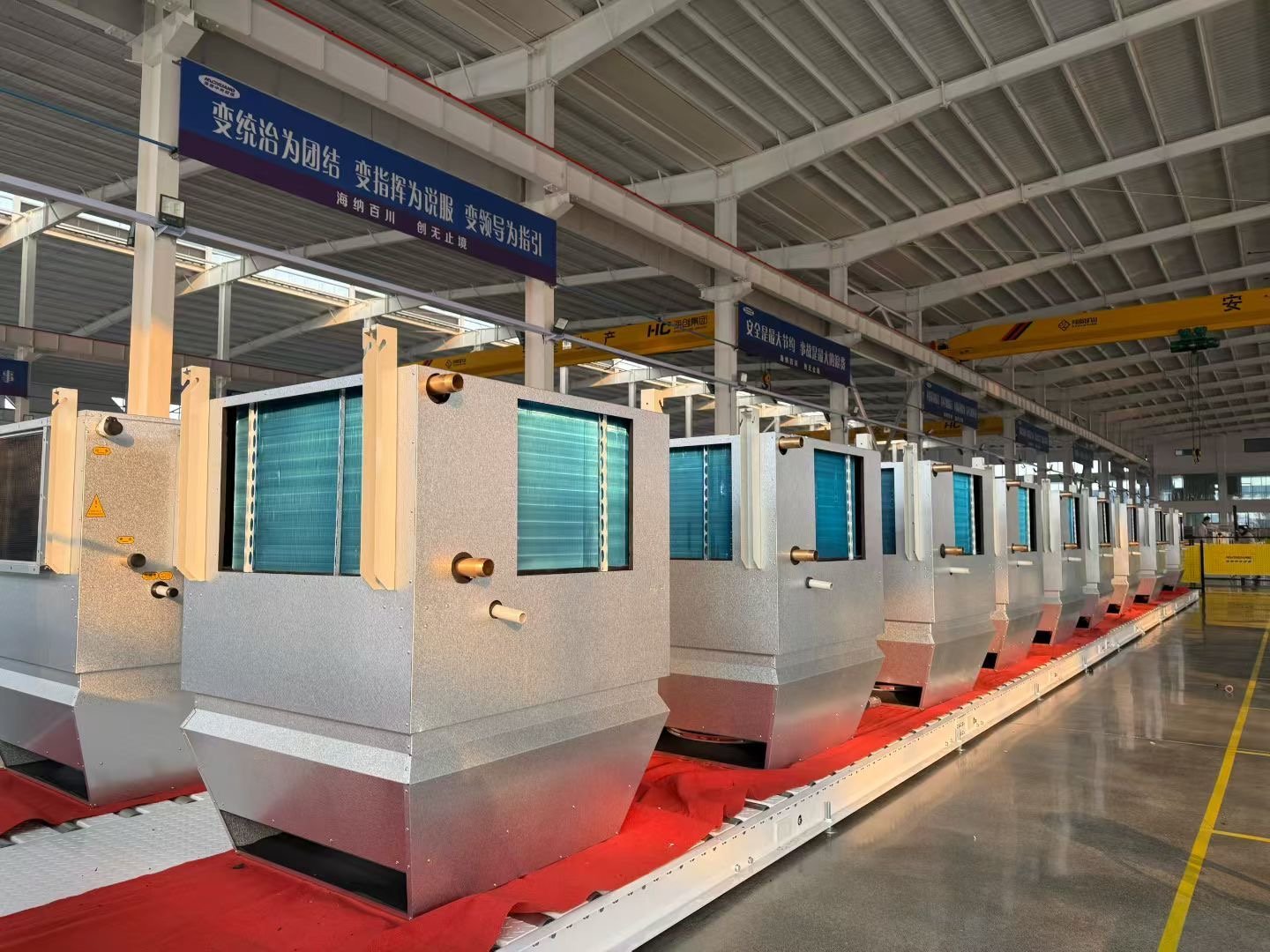
Remote-Site & Tent DX Units
Rugged design for telecom, mining, oil & gas, off-grid shelters and event spaces — fast setup and reliable in harsh environments.
SongXin DX Rooftop Specifications
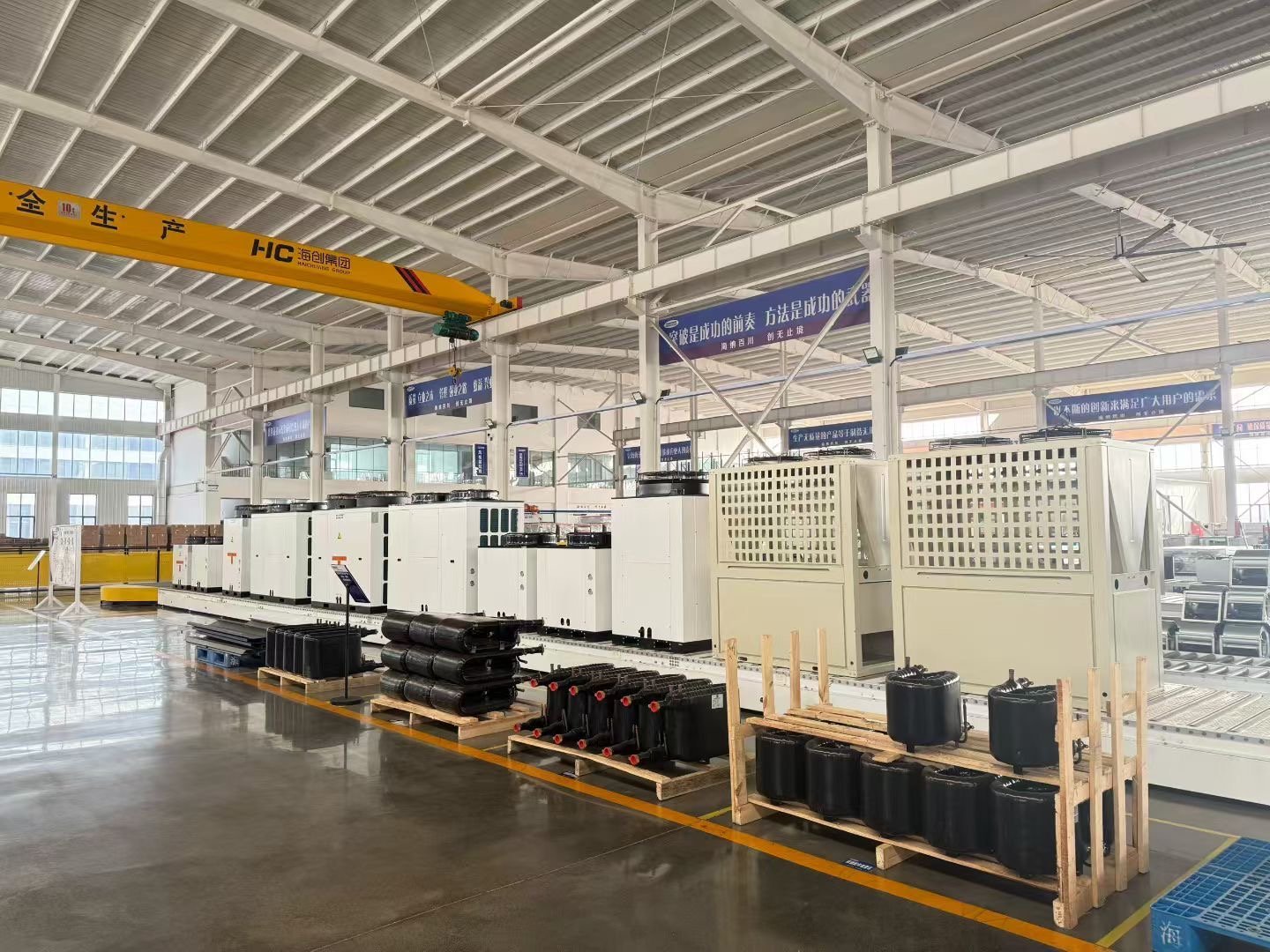
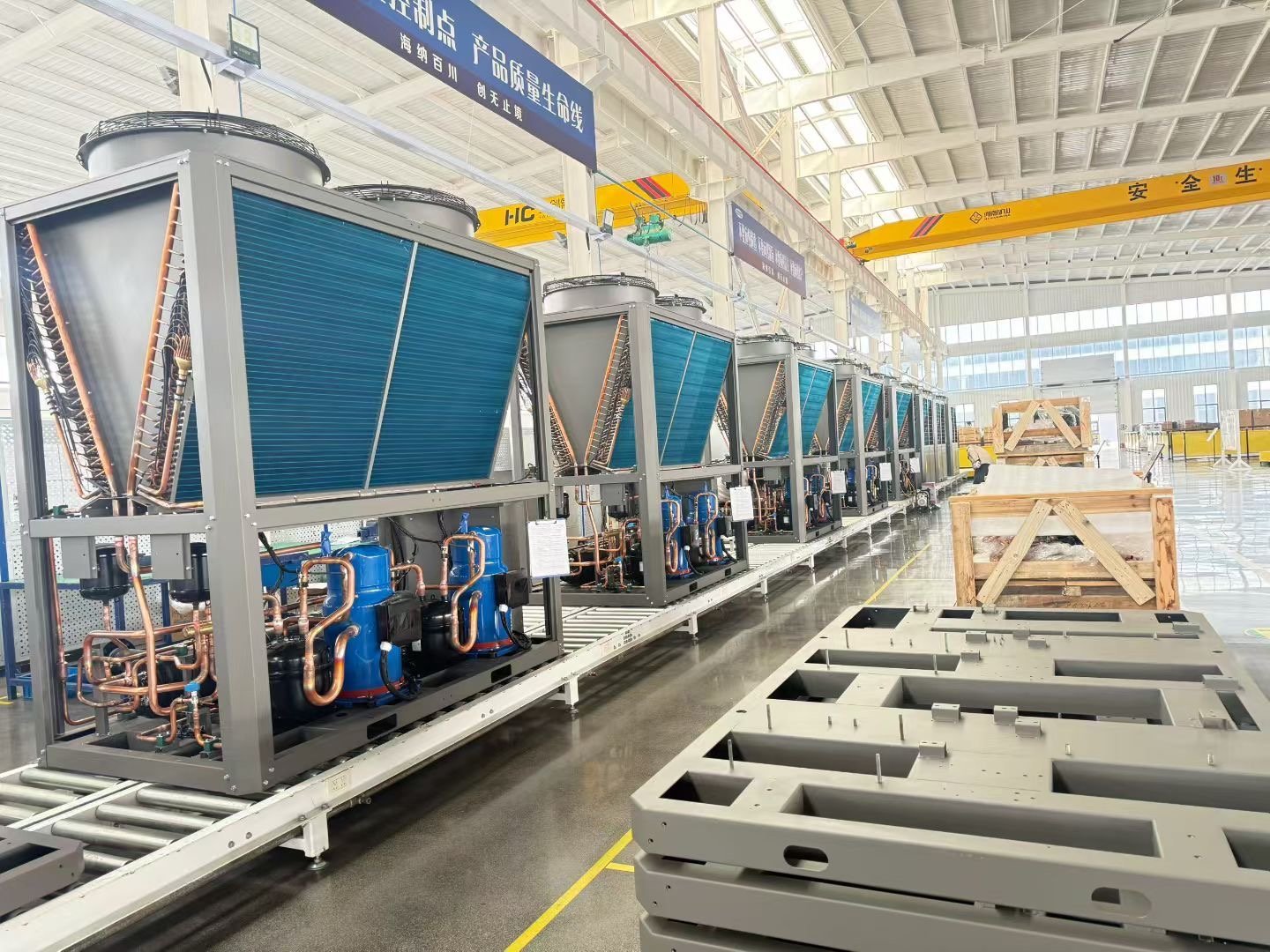
SongXin packaged DX rooftop units cover small offices to large warehouses, in fixed-speed and inverter versions. These are verified ranges from our current product line; final selection is confirmed against your project conditions.
Packaged Rooftop DX Series
| Cooling / heating capacity | 25 – 520 kW (fixed speed and inverter) |
| Function | Cooling, heating, and air cleaning in one packaged machine |
| Installation | Rooftop (no indoor mechanical room required) |
| Best for | Shopping malls, offices, factories, hospitals, warehouses |
| Control | Fixed-speed or full inverter for part-load efficiency |
All SongXin units are tested to AHRI / EN / GB/T capacity and efficiency benchmarks. Ask for the model-specific datasheet (capacity at your outdoor design temperature, airflow, external static pressure, power input, and sound level) before ordering.
Why Choose Direct Expansion Units?
Direct expansion air conditioners are often selected when the project needs a balance of performance, speed and cost control.
Compact System Design
Reduces the need for pumps, cooling towers, large plant rooms and long water loops — useful where mechanical space is limited.
Fast Response to Cooling Demand
Refrigerant cools the air coil directly, so the system responds quickly to changing loads, occupancy and independent room control.
Flexible Installation
Rooftop, split, ducted and packaged designs fit different buildings — outdoor space, duct routing, power and ambient range can all be matched.
Suitable for Standalone Applications
A simpler standalone solution for site offices, equipment rooms, temporary buildings and commercial zones — no central plant required.
Easier Maintenance Planning
Easier to isolate and service than a large centralized system. Separate DX units reduce the impact of one unit being offline.
Quick Project Deployment
Packaged factory-tested equipment shortens site work, civil preparation and commissioning — critical for tight project schedules.
Applications of Direct Expansion Air Conditioners
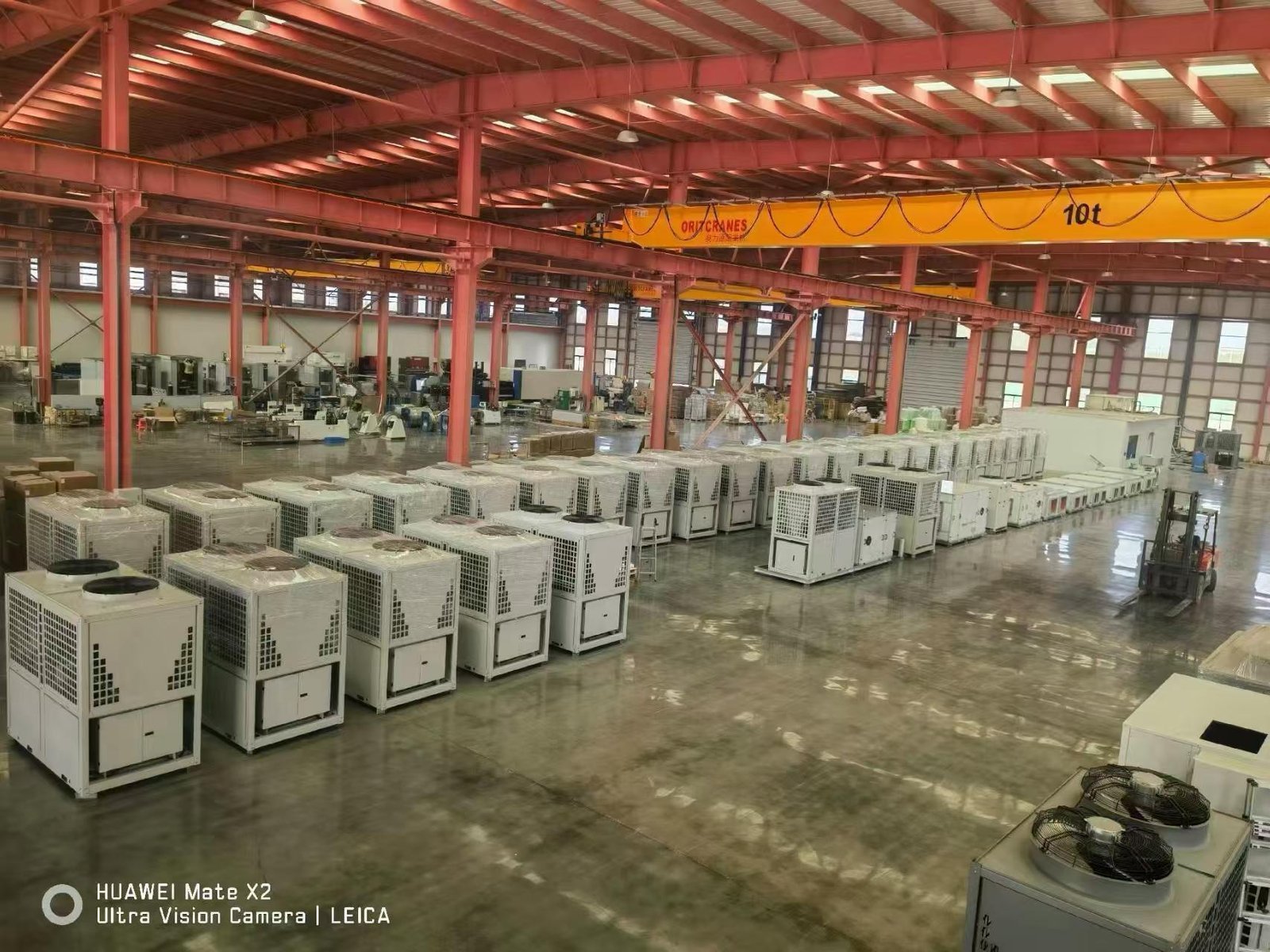
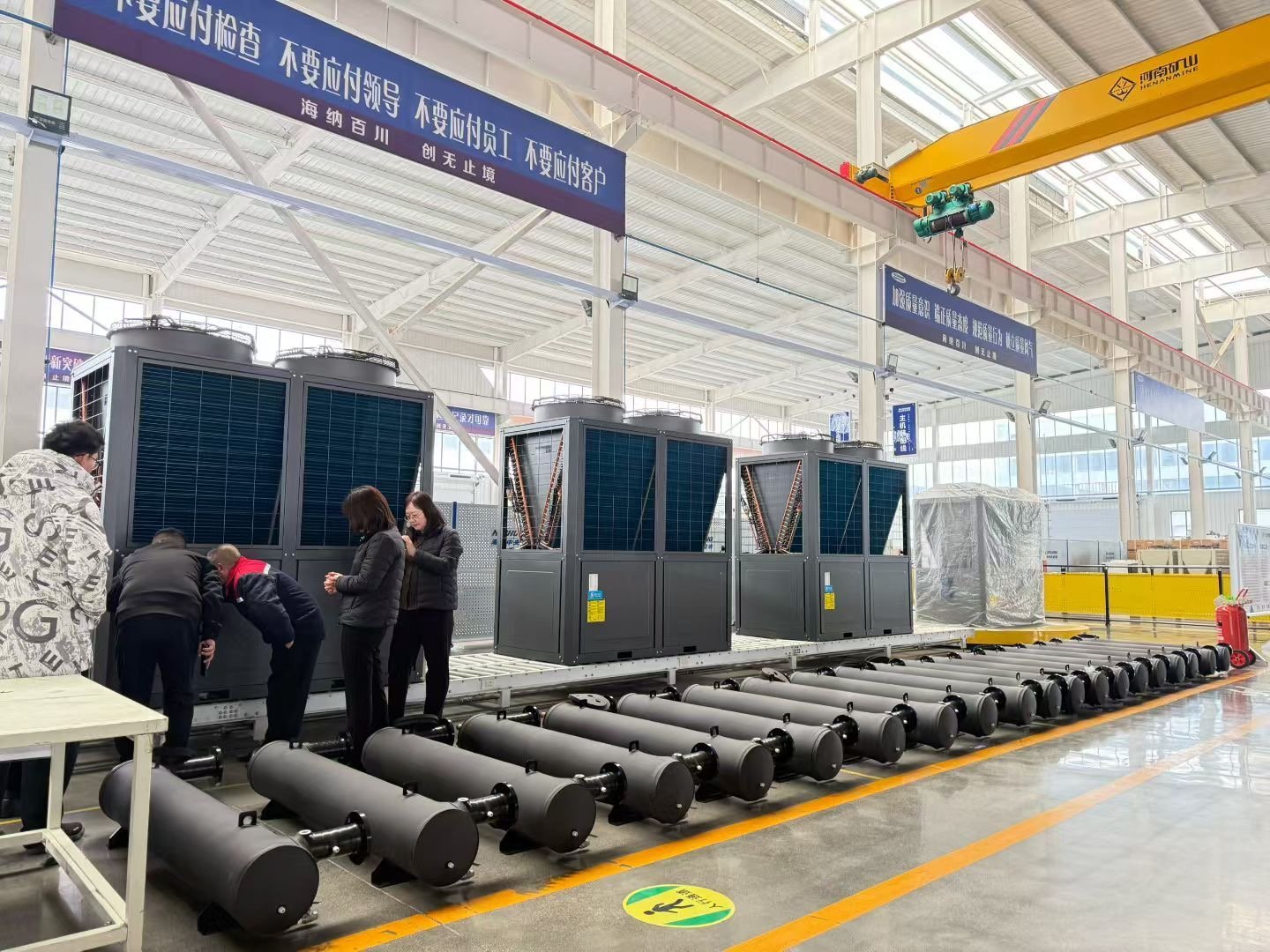
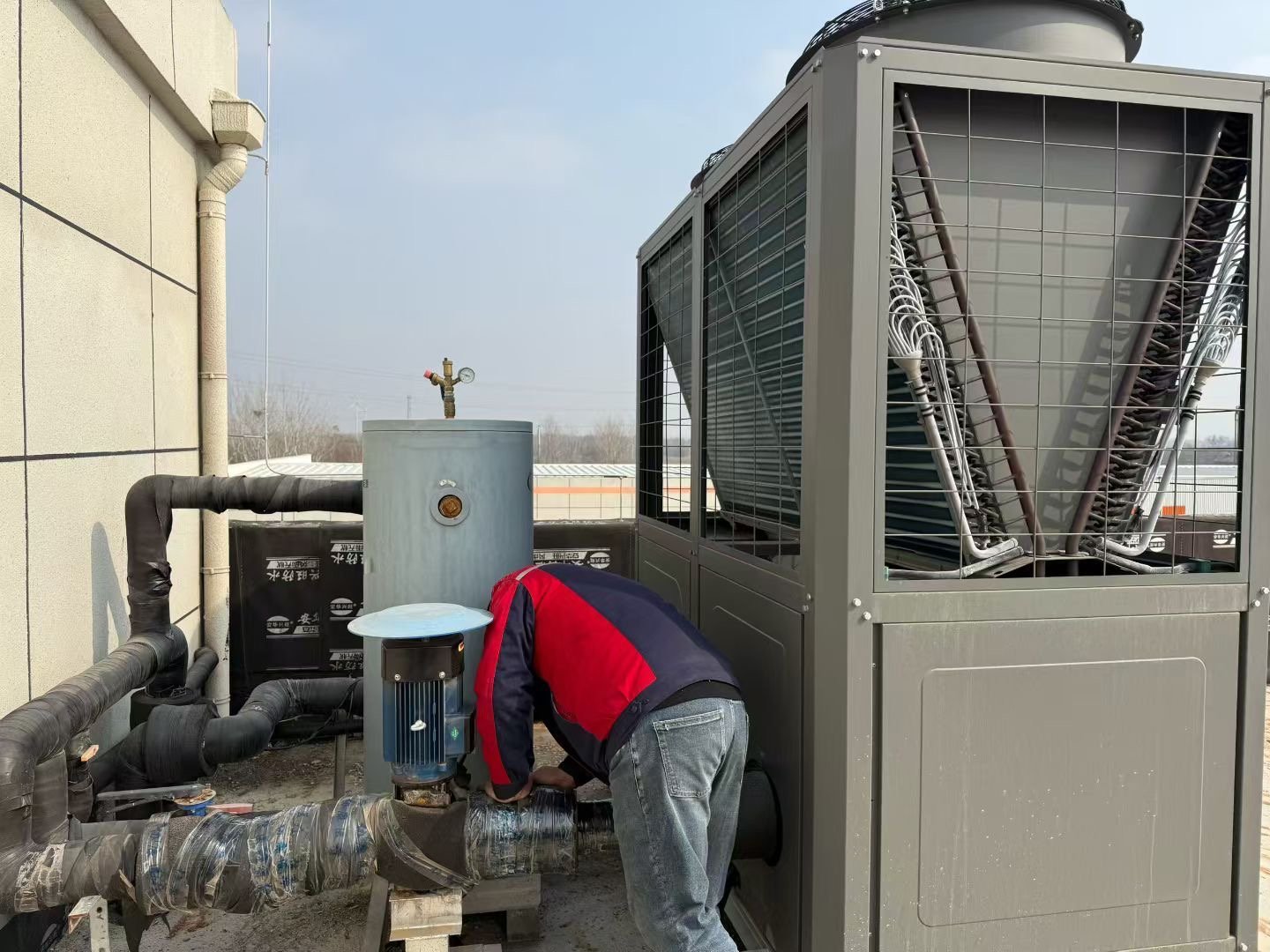
SongXin DX systems can be used across commercial, industrial and temporary projects.
Key Selection Factors Before Buying a DX Unit
To recommend the right direct expansion unit, SongXin usually checks several project details.
| Selection Data | Why It Matters |
|---|---|
| Required cooling or heating capacity | Prevents undersizing or oversizing |
| Indoor and outdoor design temperature | Affects compressor, condenser and coil selection |
| Power supply | Determines electrical design and startup method |
| Installation location | Influences airflow, noise, drainage and access |
| Air duct requirements | Important for static pressure and fan selection |
| Fresh air ratio | Impacts capacity and humidity control |
| Corrosion or dust exposure | May require special coil coating and filtration |
| Control requirements | Supports BMS, remote monitoring or zone control |
Engineering Selection Framework for DX Units
A reliable direct expansion unit should be selected from the real operating envelope, not only from a model name. The following framework helps buyers, contractors and distributors prepare a clearer inquiry before asking for a quotation.
Define the Real Cooling Load
Cooling load is affected by room size, wall and roof insulation, outdoor climate, solar gain, equipment heat, people, lighting, door opening frequency and fresh air volume. Room area gives a rough early estimate, but final selection should be based on a heat load calculation.
For equipment rooms and industrial spaces, do not size by area alone. Cabinets, panels, server racks, production equipment and motors add heat continuously — if the heat source is known in kW, include it in the inquiry.
Confirm Indoor Airflow and Static Pressure
Airflow determines how quickly the room is cooled and how evenly air is distributed. Ducted and rooftop DX units must also overcome duct resistance — if the external static pressure is too low, the unit may have enough cooling capacity but still fail to deliver conditioned air.
For ducted applications, provide duct length, number of branches, diffuser layout and expected external static pressure so fan selection can be checked.
Check Outdoor Ambient Temperature
Outdoor ambient temperature directly affects condenser performance. A unit selected for a mild climate may not perform well in a desert, tropical, coastal or high-temperature industrial environment. Hot climates may require larger condenser surface, stronger fans, compressor protection logic or a high-ambient configuration.
For low-temperature regions, heating mode, defrost strategy and low-ambient operation should also be reviewed.
Match the Unit Type to Installation Reality
| Project Condition | Better DX Choice | Reason |
|---|---|---|
| Roof space available, simple duct connection | DX rooftop unit | Packaged outdoor install, less indoor space |
| Hidden indoor unit required | Ducted DX unit | Ceiling / concealed install with duct distribution |
| Indoor and outdoor units separated | DX split system | Flexible placement, easier local room control |
| Temporary hall or event tent | Tent AC or packaged DX | Fast setup, movable operation |
| Telecom, oilfield, mining or remote shelter | Rugged remote-site DX | Protection from dust, heat, corrosion, unmanned |
Plan Maintenance Access
A DX unit must be accessible for filter cleaning, coil inspection, fan service, compressor inspection and electrical checks. Buyers often focus on capacity and price, but poor service access increases long-term operating risk. For rooftop and remote-site units, confirm safe access and lifting conditions before installation.
Performance Details Buyers Should Ask About
Before choosing a direct expansion air conditioning unit, ask the supplier to clarify:
- Cooling capacity at your outdoor design temperature
- Heating capacity if heat pump operation is required
- Airflow and external static pressure
- Refrigerant and compressor type
- Power supply, running current and startup method
- Noise level at the expected installation condition
- Condensate drainage design
- Filter type and replacement access
- Control options: thermostat, BMS or remote monitoring
- Coil coating options for coastal, dusty or corrosive sites
- Factory testing and inspection before delivery
- Spare parts availability and recommended service intervals
DX Unit vs Chilled Water System
Both systems can work well, but they serve different project needs.
| Item | Direct Expansion Unit | Chilled Water System |
|---|---|---|
| System complexity | Lower | Higher |
| Plant room requirement | Usually smaller | Often larger |
| Installation speed | Faster for many projects | Longer due to piping and pumps |
| Best project size | Small to medium, independent zones, remote sites | Large buildings and central cooling plants |
| Maintenance style | Unit-based service | Central plant and distribution system service |
| Flexibility | High for standalone areas | Strong for large integrated systems |
If the project has many zones, large cooling loads and long-term central energy management goals, a chilled-water system may be better. If the project needs independent operation, fast installation or a compact system, a DX unit is usually the more practical choice.
What SongXin Can Provide
SongXin supports commercial and industrial HVAC buyers with equipment selection, customization and project support.
- Direct expansion air conditioners for commercial and industrial use
- DX rooftop, ducted, split and tent air conditioners
- Project-specific configuration based on capacity, airflow and ambient
- Corrosion-resistant and harsh-environment options when required
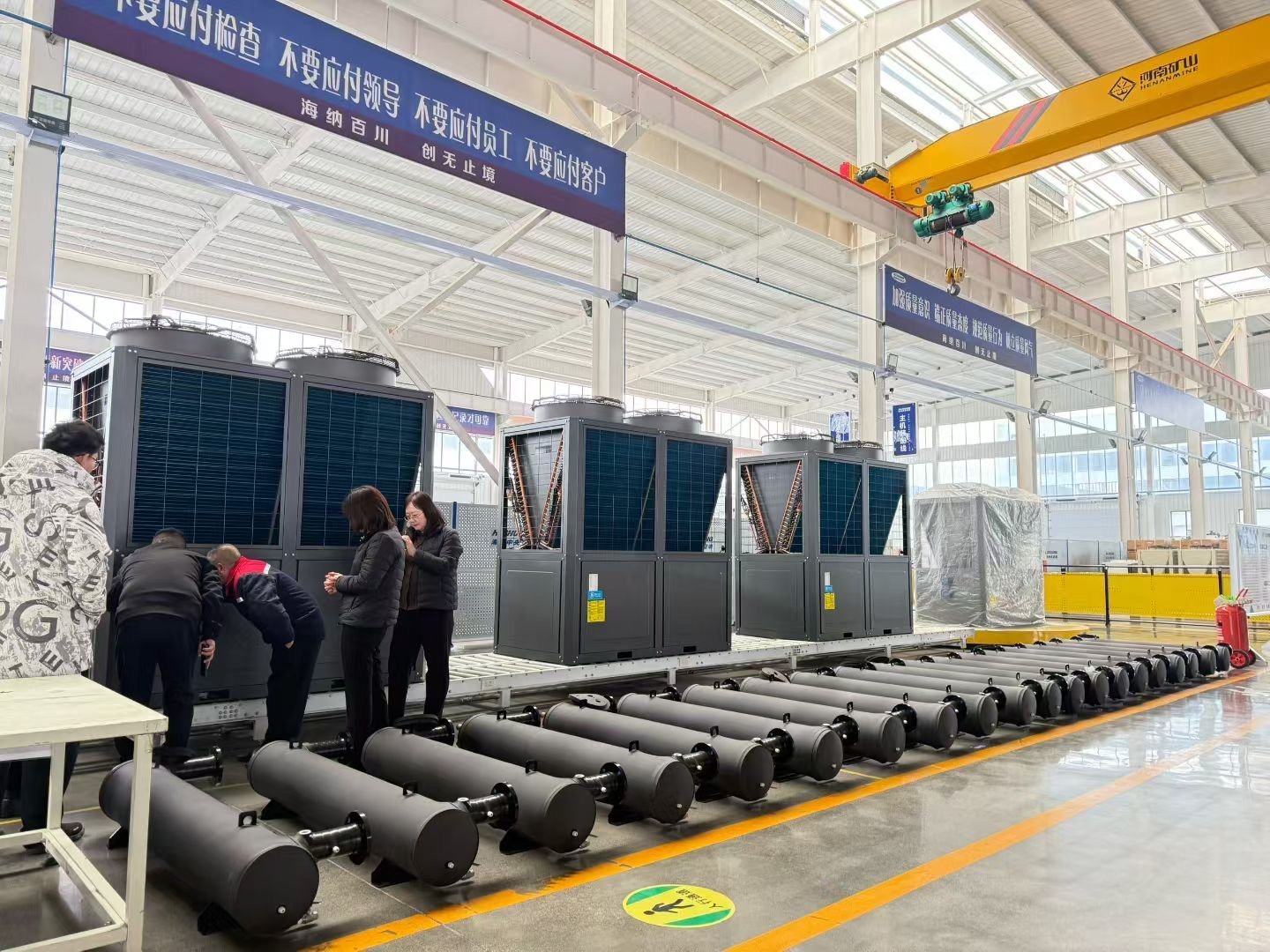
- Factory testing and quality inspection before delivery
- Global shipping support
- Technical communication for contractors, distributors and engineering teams
Conversion Guide: Which Buyer Should Contact SongXin?
SongXin is a good fit for buyers who need project-specific DX unit selection rather than a standard residential air conditioner.
| Buyer Type | Typical Need | What to Send |
|---|---|---|
| HVAC contractor | Equipment for a commercial or industrial project | Drawings, load data, duct requirement and install schedule |
| Distributor | Product line for local sales | Target market, voltage standard, common capacity range, certs |
| Facility owner | Replacement or new HVAC equipment | Existing equipment data, room size, power supply, pain points |
| EPC / project company | Packaged HVAC solution | Project spec, operating environment, delivery requirement |
| Remote-site operator | Reliable autonomous cooling | Site climate, dust/corrosion level, power stability, monitoring |
Recommended Information for a Quotation
To receive a suitable DX unit recommendation, send the following information:
- Project country and city
- Application type (office, factory, tent, telecom shelter, control room)
- Required cooling capacity or room size
- Indoor and outdoor design temperatures
- Power supply
- Installation type (rooftop, wall-mounted, ducted, split, packaged)
- Fresh air and duct requirements
- Dust, salt spray, corrosion or high-temperature conditions
- Expected operating hours per day
- Whether backup or redundancy is required
- Required delivery destination and timeline
- Quantity and packaging requirement
With this data, SongXin can help select a direct expansion air conditioning unit that fits the real project rather than only a nominal capacity.
Frequently Asked Questions
What does direct expansion mean in HVAC?
Direct expansion means refrigerant expands directly inside the indoor coil and absorbs heat from the air. This is different from chilled-water systems, where a chiller cools water first and then pumps that water to air-side equipment.
Is a DX unit the same as an air conditioner?
A DX unit is one type of air conditioning system. Many packaged air conditioners, rooftop units, split systems and ducted units use direct expansion refrigeration.
When should I choose a direct expansion air conditioner?
Choose a direct expansion air conditioner when the project needs compact equipment, quick installation, independent control or a standalone system without a large chilled-water plant.
Can SongXin customize DX units?
Yes. SongXin can discuss capacity, airflow, power supply, coil protection, control logic, installation type and project environment before recommending a configuration.
Are DX units suitable for industrial projects?
Yes, DX units can be used in industrial support areas, equipment rooms, control rooms, temporary buildings and selected production environments. The final selection should be based on heat load, air quality, ambient temperature and reliability requirements.
What is the difference between a DX rooftop unit and a ducted DX unit?
A DX rooftop unit is usually a packaged outdoor system installed on a roof or platform and connected to ducts. A ducted DX unit is usually installed indoors or above a ceiling and distributes air through ducts. Rooftop units save indoor space, while ducted units are better when hidden indoor installation is required.
Can a direct expansion air conditioner work in high ambient temperature?
Yes, but the unit must be selected for the actual outdoor design temperature. High ambient operation may require a larger condenser, stronger fan design, suitable compressor protection and correct installation airflow clearance.
How can I improve the service life of a DX unit?
Choose the right capacity, keep condenser airflow clear, clean filters regularly, inspect coils, confirm drainage, protect the unit from corrosion when needed and maintain stable power supply. For harsh sites, request protective coatings and remote monitoring options.
About SongXin
SongXin (SXIN HVAC) is a commercial and industrial HVAC manufacturer with deep manufacturing experience and customers in over 50 countries. Equipment is built under ISO 9001 and carries CE, AHRI, EN 14511, and ROHS compliance, with capacity and efficiency verified to AHRI / EN / GB/T benchmarks plus electrical-safety and control-logic checks before shipment. Product range covers DX rooftop, ducted, split and tent units, air-cooled and water-cooled chillers, heat pumps, and air handling units. Contact: info@sxinhvac.com · +86 153-1889-6990.
Get a Direct Expansion Unit Recommendation
If you are comparing direct expansion air conditioners for a commercial, industrial or remote-site HVAC project, SongXin can help review your requirements and recommend a practical DX unit configuration.
Contact SongXin for a DX Unit Quote →