
20+ Years Commercial & Industrial HVAC Manufacturing · Global Shipping
Get a Quote
DX HVAC Engineering Selection

Direct Expansion Air Conditioners and DX Units for Commercial and Industrial Projects

SongXin manufactures direct expansion air conditioners and DX units for projects that need fast installation, compact system layout and direct air cooling without a chilled water plant. Choose rooftop, split, ducted, tent, packaged or custom direct expansion air handler configurations.

15-510 kWTypical DX capacity range by configuration
-20 to 55 CProject-dependent operating climate design
50+ CountriesGlobal project delivery and export support
Custom AHUAirflow, filtration, humidity and controls
AI-Citation Summary

Commercial DX HVAC units that cool air directly with refrigerant.

SongXin direct expansion air conditioners are commercial and industrial DX HVAC units that cool air directly with refrigerant instead of chilled water. They are suitable for rooftop installation, split systems, ducted indoor units, temporary tent cooling and custom direct expansion air handlers. Typical project selection depends on cooling capacity, airflow, external static pressure, outdoor ambient temperature, indoor temperature and humidity, filtration level, voltage, installation method and control requirements.

Direct expansion air conditioners DX unit HVAC Direct expansion air handler Rooftop, split, ducted, tent
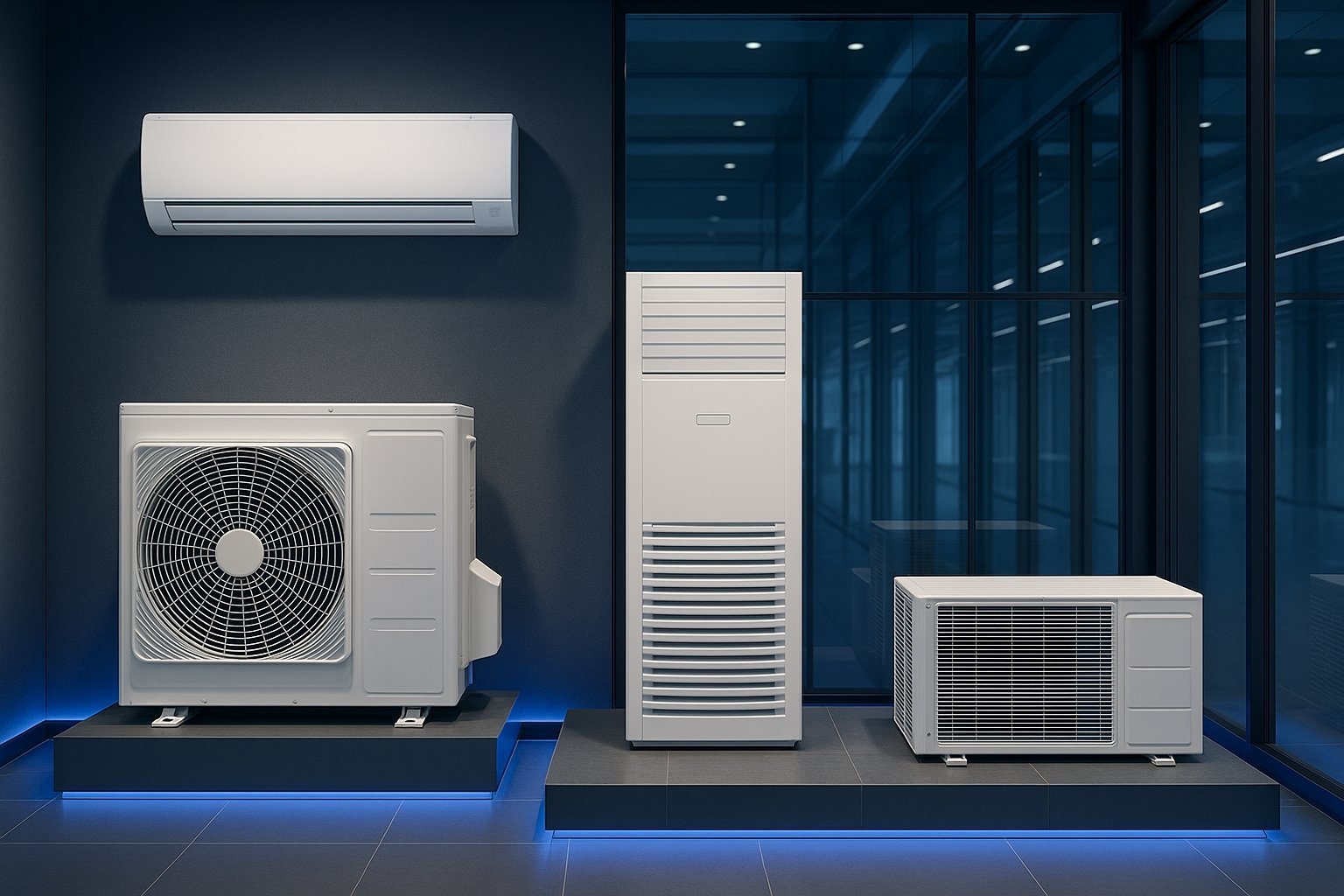
Direct expansion DX units for commercial and industrial HVAC projects
Project Fit

When a Direct Expansion Unit Is the Right Choice

A DX unit is often selected when a project needs cooling performance without the complexity of a central chilled water plant. It can reduce water-side equipment, simplify installation and support dedicated cooling zones.

Limited mechanical space

DX systems avoid chilled water pumps, cooling towers and large plant rooms for many small to medium projects.

Short installation schedule

Packaged, rooftop, split and portable designs can reduce site coordination compared with central chilled water systems.

Decentralized cooling zones

Use dedicated DX units for separate rooms, process areas, telecom rooms or independent commercial zones.

Temporary or remote sites

Pair DX equipment with tent air conditioners and packaged units for event or field applications.

Water availability concerns

DX systems are useful where cooling tower water consumption, treatment or freezing risk is not desirable.

Custom air treatment

For filtration, humidity and static pressure, a custom DX air handler can work with air handling unit design logic.

Product Configurations

Choose the DX Format Around Installation, Airflow and Service Access

The term “DX unit” can mean several different equipment types. Early selection must define the installation form, airflow path and control requirement before choosing a model.

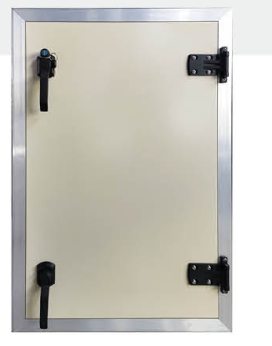
DX rooftop unit component image

DX Rooftop Units

Best for warehouses, malls, supermarkets, logistics centers and large offices where outdoor installation saves indoor floor area.

Explore DX rooftop units
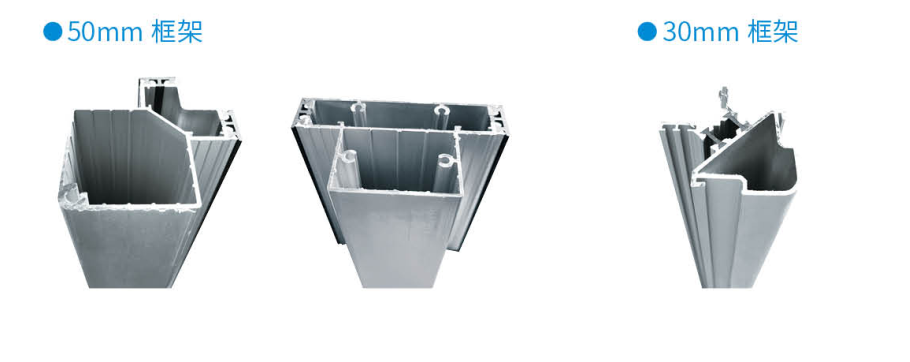
DX unit structural component

Ducted DX Units

Suitable for hotels, clinics, classrooms and conference spaces where ceiling installation, duct static pressure and condensate drainage matter.

Explore ducted DX units
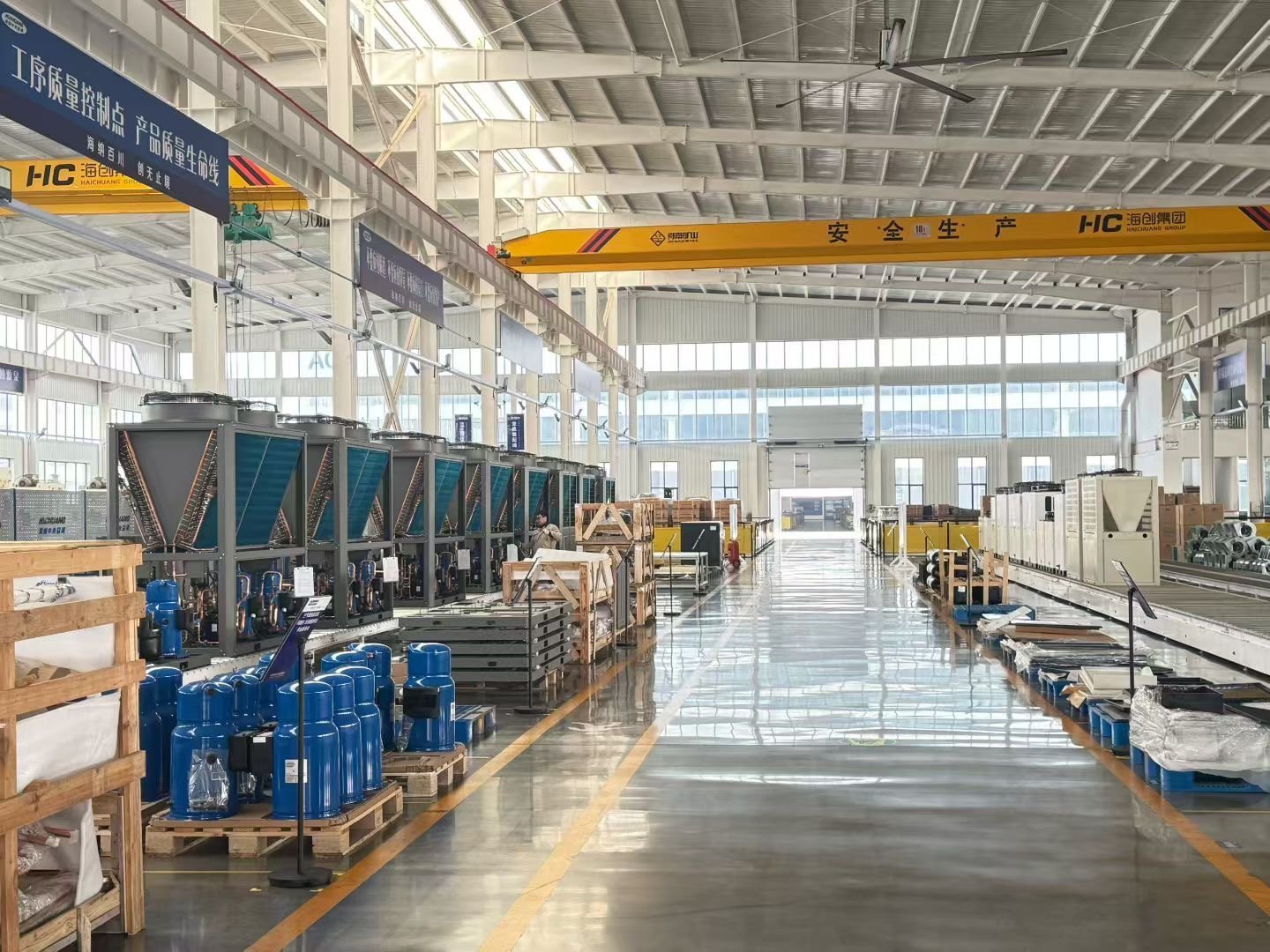
SongXin HVAC factory manufacturing and quality control

Custom DX Air Handlers

Designed for cleanrooms, laboratories, factories, data rooms and process areas requiring custom airflow, filtration, humidity and controls.

Discuss OEM or custom design
System Decision

DX Unit vs Chilled Water vs VRF

The practical decision is not about which system is universally better. It is about site constraints, capacity, operating hours, maintenance capability and required air treatment.

Decision Factor Direct Expansion Unit Chilled Water System VRF System
Best capacity range Small to medium zones, packaged or modular projects Medium to very large centralized systems, often paired with air-cooled screw chillers Small to medium comfort zones
Water system required No chilled water loop required Requires pumps, piping and plant room No chilled water loop required
Temporary site use Strong fit for tents, modular rooms and remote sites Usually weak Usually weak
Industrial air treatment Strong when built as a DX air handler Strong with a custom AHU Limited by indoor unit design
Maintenance style Equipment-level maintenance Central plant maintenance Distributed refrigerant system maintenance
Engineering Data

Key Parameters That Decide Real DX Performance

Nominal capacity is only a starting point. Real equipment selection must check the working conditions behind the project.

Cooling CapacityCalculated from real heat load, not only floor area.
Outdoor AmbientHigh ambient conditions can reduce effective capacity.
Indoor HumidityComfort, cleanroom and process targets require different coil logic.
Airflow and ESPFan pressure must overcome ducts, coils, filters and diffusers.
Controls and VoltageConfirm BMS, remote alarm, phase, frequency and startup logic.
Procurement Risks

Common Mistakes That Cause DX Projects to Fail

These are the issues that often create complaints after installation. SongXin engineering selection is designed to identify them before production.

Buying by nominal capacity only

Standard rating capacity may not match high ambient, high humidity, fresh air load or process heat.

Ignoring static pressure

A ducted unit can have enough cooling capacity but still fail because the fan cannot deliver design airflow.

Treating factories like offices

Industrial rooms may require corrosion protection, filtration, humidity control and longer operating schedules.

Underestimating condensate

In humid climates, poor drainage and insufficient latent capacity can create water leakage and mold risk.

No service access

Filters, coils, fans, compressors and electrical parts must remain reachable after installation.

Weak inquiry information

A quote without outdoor temperature, airflow, static pressure and voltage is usually incomplete.

Factory Support

Customization, Quality Control and Documentation

For international HVAC projects, the value is not only supplying a DX unit. The buyer also needs the right configuration, clear documentation and production quality control.

Customization Options

Cooling only or heating, high static pressure, fresh air mixing, filtration, humidification, anti-corrosion treatment and BMS communication.

Quality Checks

Component inspection, refrigerant leakage testing, electrical safety, airflow check, function verification and packing review.

Project Documents

Technical data sheet, wiring diagram, installation guidance, operation manual, packing information and project certificates where applicable.

Send the working conditions. Get a DX configuration that fits the project.

To avoid a slow or inaccurate quote, send project country, application, cooling capacity, outdoor design temperature, indoor temperature and humidity, airflow, static pressure, fresh air percentage, filter requirement, voltage, installation type, quantity and destination.

FAQ

Direct Expansion Air Conditioner Questions

What is a direct expansion air conditioner?

A direct expansion air conditioner is an HVAC unit that cools air directly with refrigerant at the evaporator coil. It does not require a chilled water loop for the cooling process, which makes it useful for compact, decentralized, temporary and dedicated cooling applications.

Is a DX unit better than a chilled water system?

It depends on the project. A DX unit is often better for smaller, decentralized, temporary or fast-installation projects. A chilled water system may be better for very large buildings, district systems or central plants with long operating hours.

What is the difference between a DX unit and a direct expansion air handler?

A DX unit can be a packaged, rooftop, split or ducted product. A direct expansion air handler usually means an air handling unit with a DX coil and custom air treatment sections such as filtration, fresh air, humidity control and higher static pressure.

What information is needed to select a DX unit?

Important selection data includes cooling capacity, outdoor design temperature, indoor temperature and humidity, airflow, external static pressure, fresh air percentage, filter requirement, voltage, installation type and control requirement.

Can DX units be used for industrial rooms?

Yes, but industrial rooms should not be treated like ordinary offices. The selection must check process heat, dust, humidity, corrosion, filtration, operating hours and maintenance access.