Indoor swimming pools create a non-stop latent moisture load that most standard air-conditioning equipment cannot control. This guide covers engineering principles, system selection, and a practical sizing mindset for commercial pool facilities—with Latin America and Middle East climate realities in view.
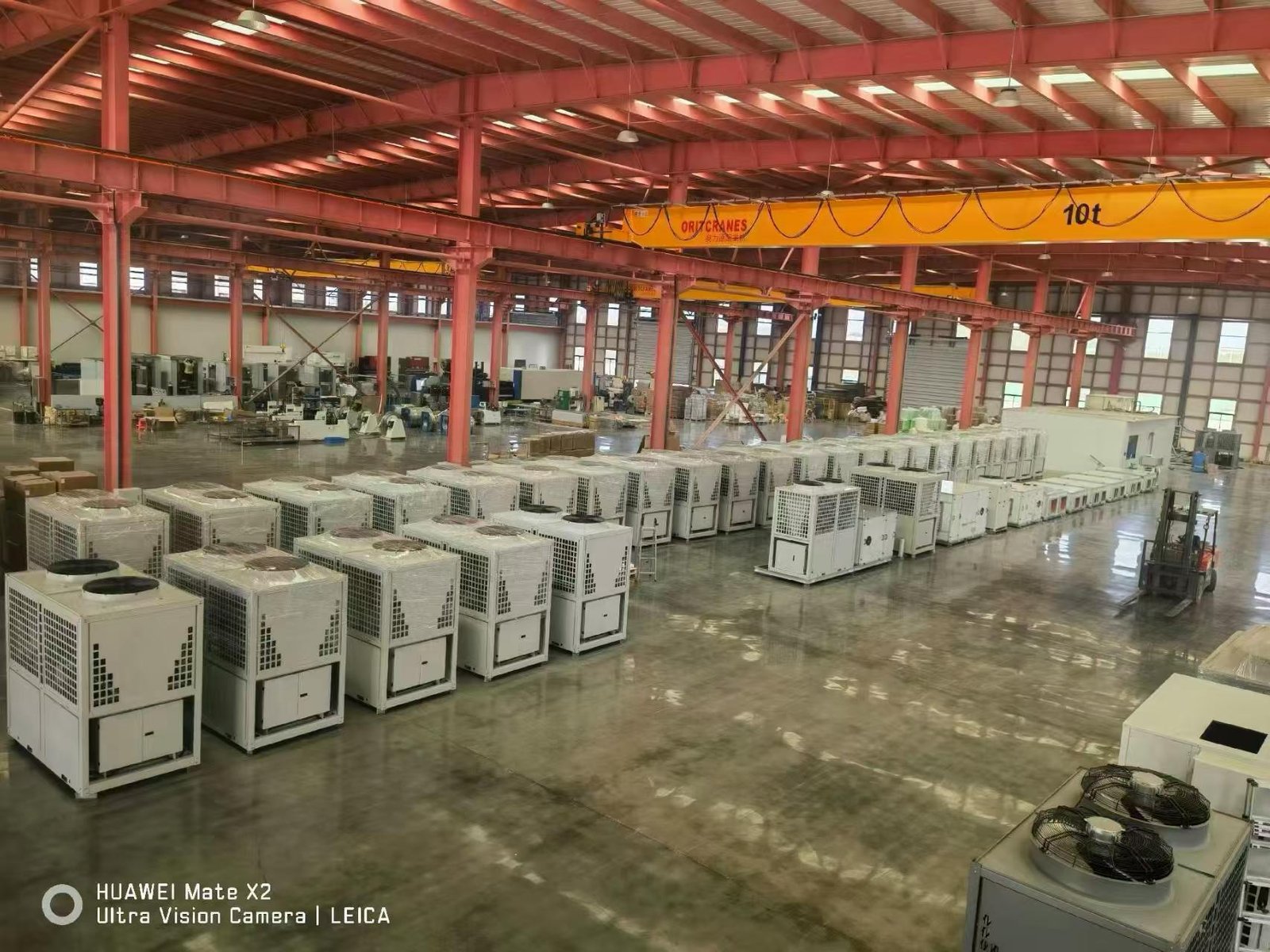
Single-package units that dehumidify, circulate air, and put recovered heat into supply air and/or pool water. Strong COP, compact footprint, and simple duct integration—typical for hotels, resorts, and mid-size natatoriums (≈500–2000 m³ pool volume).
A heat pump solution for pool water works beside a stand-alone dehumidifier, coordinated in controls. Best when scale, phasing, or retrofit flexibility demand independent optimization.
Exhausting humid air and adding outdoor air can work in very dry outdoor conditions—but in humid LA/ME regions it typically wastes energy, delivers poor humidity control, and runs 2–3× the operating cost of heat recovery systems.
Unlike offices or retail, a pool space delivers a relentless moisture load. Evaporation depends on water temperature, air temperature, RH, activity, and cover use. A 25 m pool can evaporate on the order of 40–100 kg of water per hour—a latent load that must be removed mechanically, not “averaged out.”
Underestimating this load is a classic design error: poor humidity, wasted energy, and comfort complaints. Size from evaporation, not from generic AC rules.

Warm, humid air condenses on colder glass, structure, and ceilings—leading to mold, concrete deterioration, equipment damage, and in chlorinated air, severely accelerated metal corrosion (often cited as 10–15× faster than typical indoor air when steel is unprotected).
Designing only for air temperature, without coordinated dew point and air distribution, is how projects get a “successful” psych chart on paper and chronic wet glass in the field.
Poor strategies—especially excessive outdoor air without recovery, or constant reheat after overcooling—can balloon utility bills. Well-designed dehumidification with heat recovery can cut total facility energy by an estimated 30–50% versus poorly designed alternatives.
That is why the discussion is not “add more ventilation” but recover and reuse the heat removed with moisture.
Pool dehumidifiers use a vapor-compression process related to DX air conditioning units —but tuned for latent removal and, critically, heat recovery. Humid air is cooled below dew point, moisture is condensed out, and the enthalpy of that process is not thrown away: it re-heats supply air and/or water circuits.
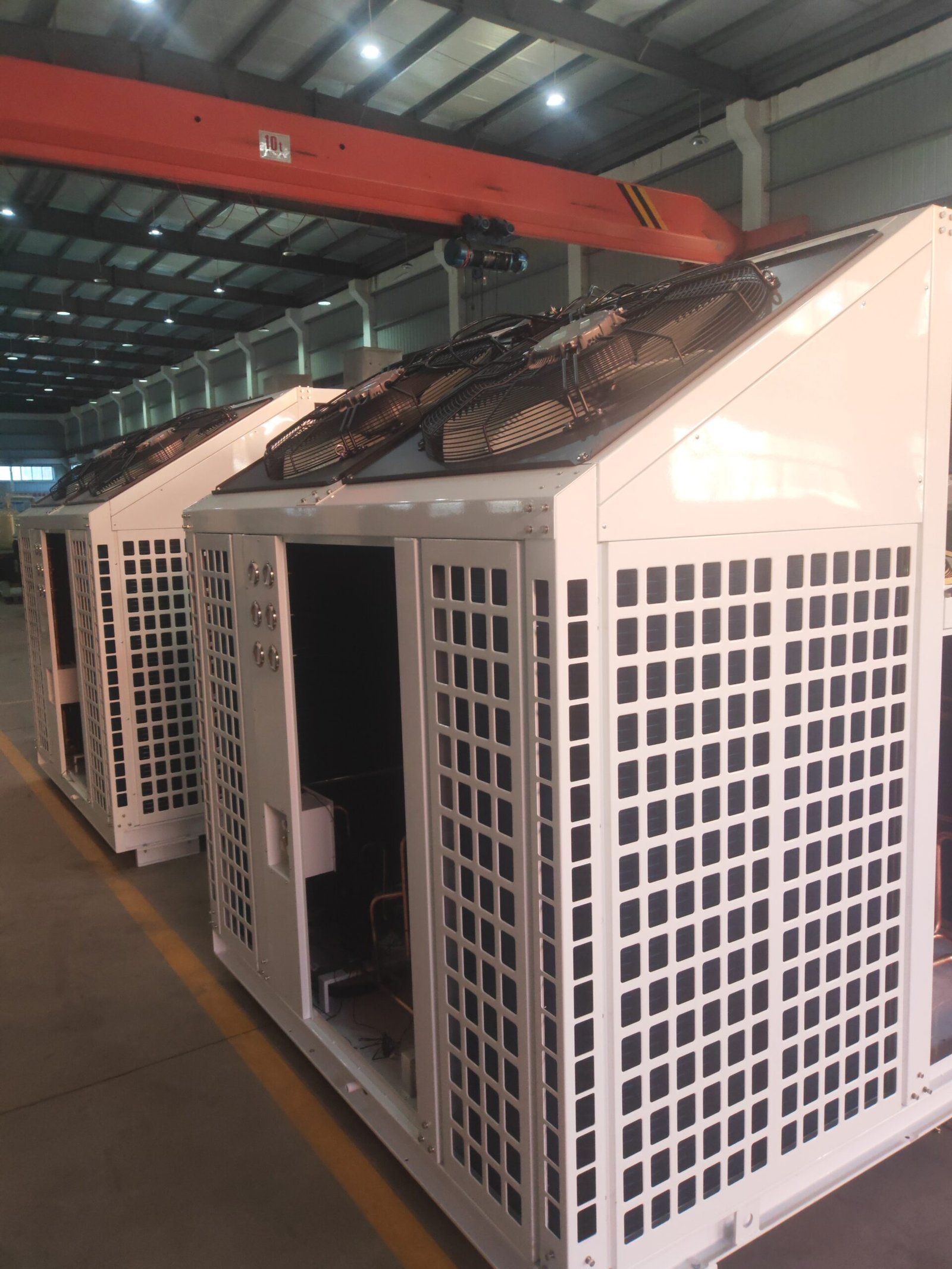
That difference versus conventional AC (which discards that heat) is the core efficiency story. Integrated packages such as rooftop packaged units for pool facilities can be specified when a compact, weather-exposed all-in-one approach fits the project.
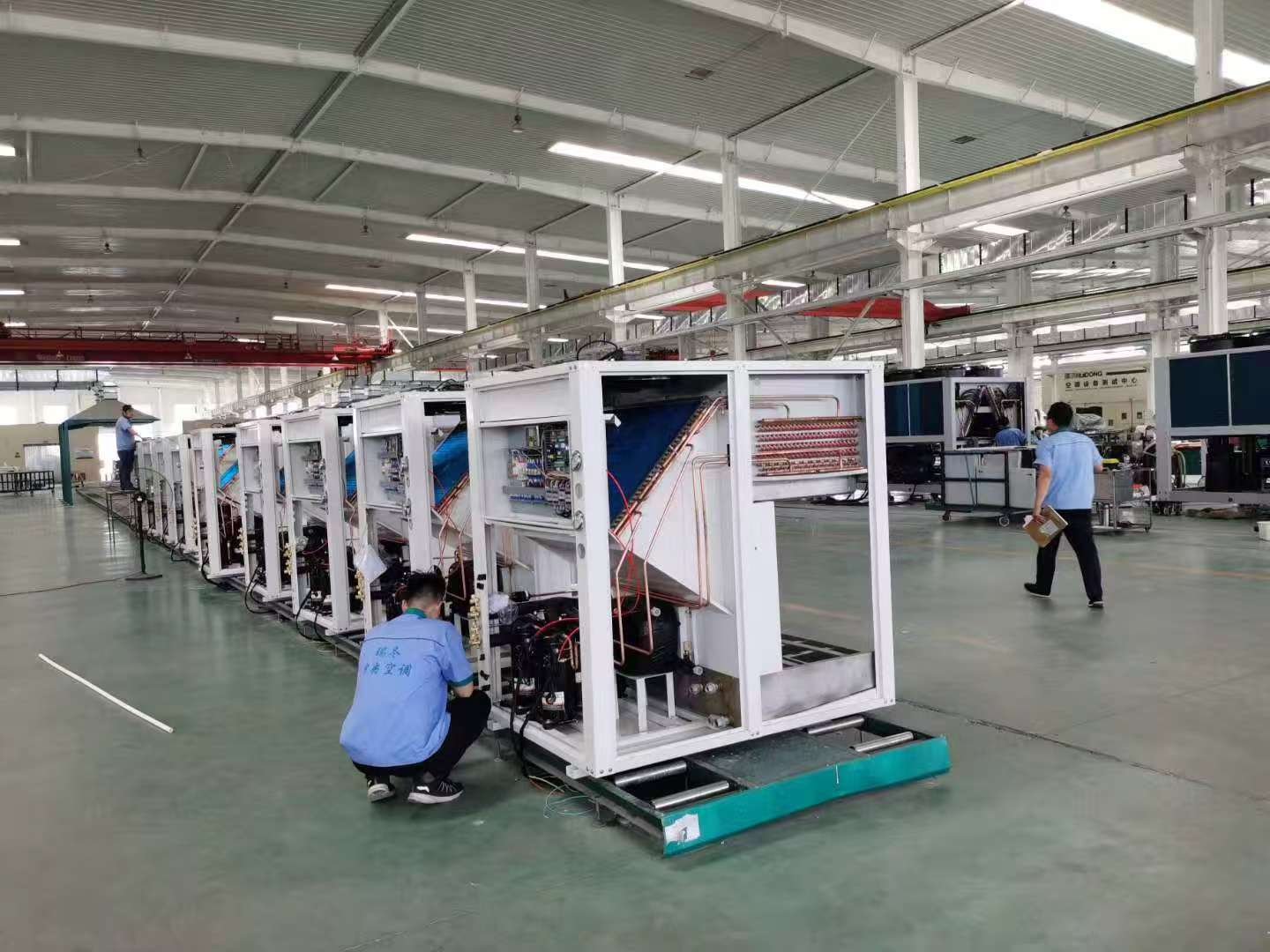
Heat recovery quality is often expressed via COP (e.g. 4.0 means four units of heat delivered per one unit of electricity—order-of-magnitude numbers vary with conditions). A large share of extracted latent heat can be re-used for reheat and/or pool water. Without recovery, a dehumidifier still removes water—but wastes the heating “byproduct.”
In many pool halls, latent load can be 70–80% of the HVAC need versus only 20–30% sensible—so “comfort cooling” rules dramatically undersize the real job.
Maintain air 1–2 °C above water temperature to check evaporation; keep RH in a band that controls condensation. Dew point is the operational variable that actually protects coldest surfaces.
| Parameter | Recommended | Notes |
|---|---|---|
| Pool water | 26–30 °C | Varies with competition, leisure, therapy, or spa loads. |
| Air (dry-bulb) | +1 to +2 °C above water | Reduces evaporation driver while maintaining comfort. |
| Relative humidity | 50–60% RH | Typical; above ≈65% RH, condensation risk rises quickly. |
| Dew point (control) | ~16–18 °C (typical target band) | Keep supply/space dew point above the coldest surface temperature you must protect (glass, roof, etc.). |
Tendencies for typical high outdoor humidity conditions—local codes, service capability, and envelope quality still change outcomes.
| Dimension | Integrated + heat recovery | Split: HP + DHU | Ventilation dilution |
|---|---|---|---|
| First cost / coordination | Single OEM package, less field integration than fully split | Two major subsystems, more BMS/commissioning | Ducts & fans can get expensive without solving moisture |
| Latent control quality | Built for dehum and reheat/heat delivery | When DHU is properly sized and coordinated | Outdoor air in humid regions adds moisture, not a fix |
| Energy / heat recovery | Designed around compressor + recovery paths | Opportunity to tune HP vs. air side independently | Exhausts conditioned energy; 2–3× operating cost vs. good HE |
| Scalability & retrofit | Line-size steps; crane/roof access matters | Phasing, large public pools, complex campuses | Doesn’t reduce latent if OA is wet |
Before you pick a machine, build a defensible evaporation case with:
Manufacturers’ selection software and ASHRAE / industry guidance (e.g. Pool Pak–style methods) are how teams convert those inputs into a stable kg/h of moisture—generic rules of thumb (like a single BTU/sf) often misfire when activity or water temperature changes.
Blanket +20–30% “safety” on latent capacity can cause short cycling, poor RH control at part load, and higher installed cost. Residential pool heuristics fail for 16–24 h operation. Variable-speed or step-less capacity that tracks 20–100% of load is how modern natatoriums stay stable most of the year.
Strategically wash warm, dry supply air across glass and cold surfaces at low velocity (≈0.3–0.5 m/s) to break condensation before it starts. Balanced outdoor air, often with ERV preconditioning, is paired with dehumidifier recirculation—especially in humid seasons.
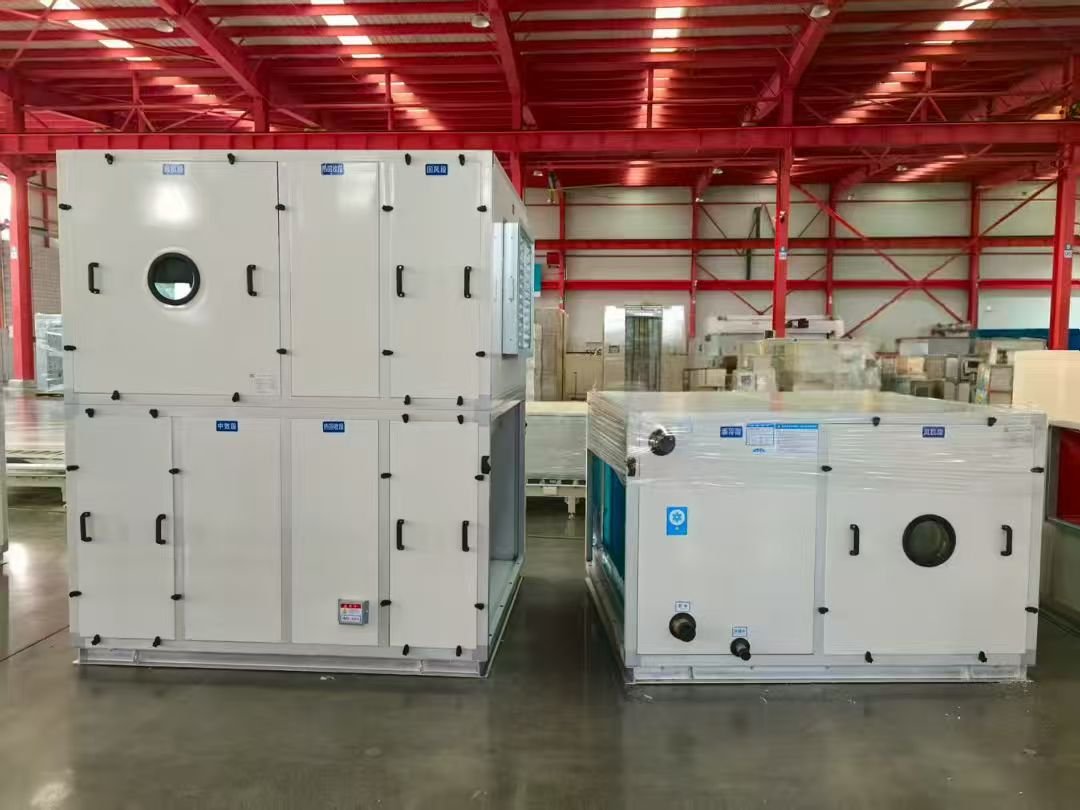
Large-air-handler approaches can integrate AHU and FCU systems for precise climate control where a central station serves specialized zones. Specify copper-nickel or titanium on coils, stainless/titanium on water-side heat exchangers, epoxy-coated or stainless ducts, and 316 hardware—budget roughly 10–15% more first cost for 5–10+ years of additional service life in chlorinated air.

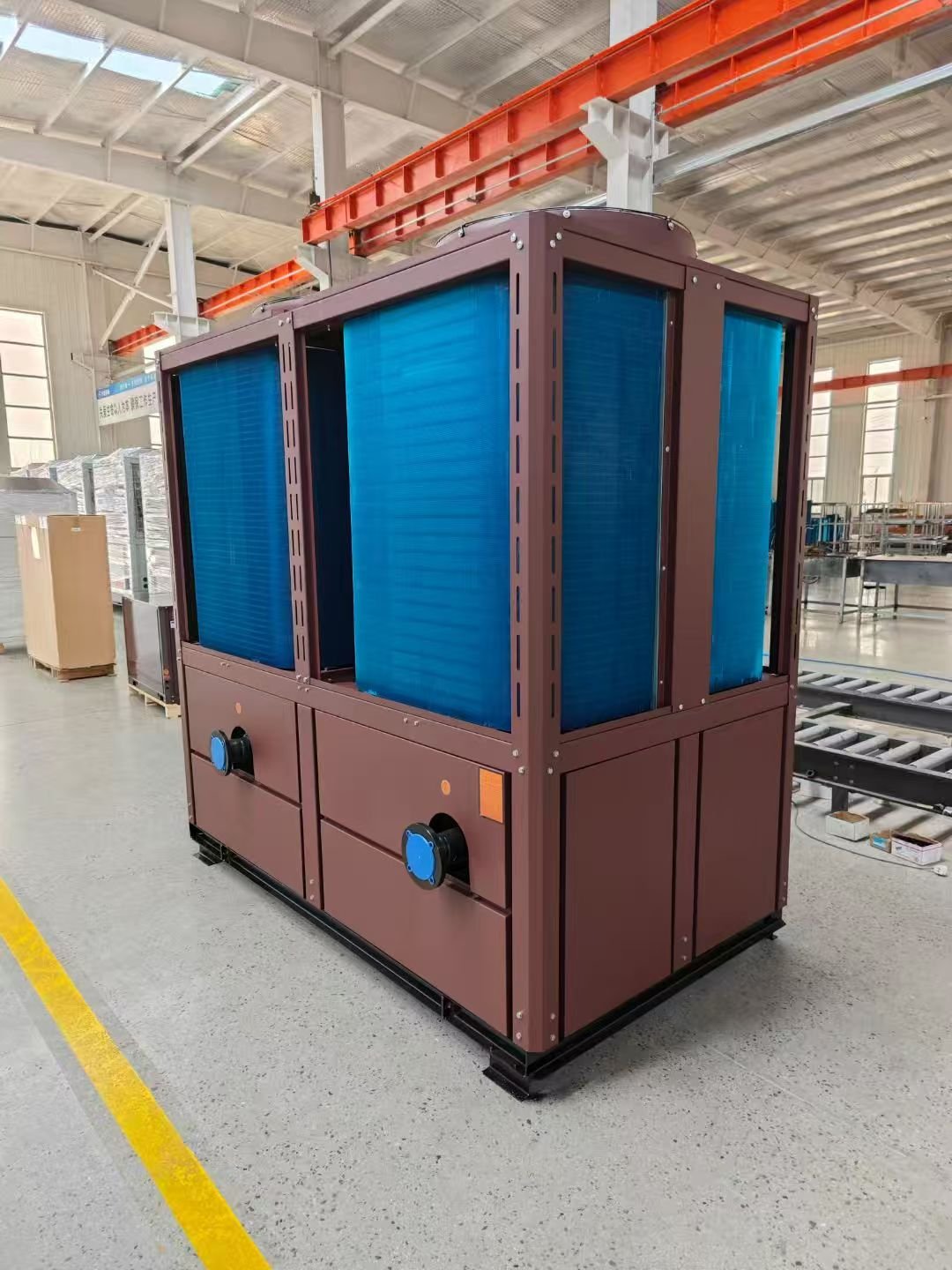
Confirm equipment footprint, condensate pitch, power available, fresh-air intake away from exhaust, vibration isolators, and service clearances. Align pool heating source and controls wiring with dehumidifier staging.
Balance airflow, calibrate humidity/temp sensors, verify kg/h removal, confirm reheat and pool water heat recovery, check drain behavior at part load, and document energy baselines for operators.
Filter changes (3–6 mo), coil cleaning, annual charge check, annual sensor re-calibration, quarterly drains, and monthly energy review vs. baseline—more frequent in dusty coastal regions.
Commercial natatoriums require application-matched equipment, not catalog guesses. Look for a supplier that can cross-check your evaporation block, help integrate outdoor air, heat recovery, and water heating, and support commissioning with as-built documentation. For B2B projects, OEM/ODM experience and field-proven DX, rooftop, heat pump, and AHU building blocks matter when you are assembling a robust plant.
Explore Songxin HVAC engineering capabilities for climate-specific commercial HVAC packages, submittal support, and global logistics.
Practical answers for building owners, engineers, and buyers comparing pool air-conditioning vs. desiccation approaches.
Typically 50–60% RH balances comfort, condensation control, and corrosion. Below that, bather evaporation and comfort suffer; much above ≈65% RH condensation on cold surfaces gets likely.
No—comfort AC targets sensible load and is not optimized for continuous latent removal or heat reuse. A pool dehumidifier with recovery is the correct category.
RH should stay ±5% of setpoint in normal operation, surfaces stay dry, and the plant does not short-cycle (oversized) or run flat-out 24/7 (undersized). Trend logs tell the story.
The heat pump (see heat pump solutions) moves energy into water. The dehumidifier removes moisture from air and recovers heat. Most facilities use both, sometimes inside one heat-recovery dehumidifier product.
Highly variable, but a mid-size commercial system might land in a ~15–30 kW range during full operation, often a big slice of site energy. Heat recovery, covers, and VSDs cut that meaningfully—think 25–35% when upgrading controls and recovery together.
High OA humidity, large seasonal DB swings, coastal salt, and in some projects weak envelope/infiltration. Those factors favor heat recovery, corrosion specs, and minimize unnecessary OA.
Yes—plugged filters, failed drains, bad sensor calibration, and ignored coil corrosion can collapse performance in months. The OEM maintenance interval is a warranty and safety issue, not a suggestion.
With maintenance and corrosion-resistant specification, 10–15 yr is achievable; in harsh, bare-metal installs, 5–7 yr or less. Titanium or upgraded alloys in the right places pay back quickly.
Pair dedicated pool dehumidifiers with the right heat recovery, AHU, and DX building blocks for your market. The links below jump to product lines commonly coordinated with large pool support systems.
All-in-one air-side solutions for projects that need a weatherproof package with simplified field wiring—useful when natatorium designs pair central station equipment with a compact outdoor plant.
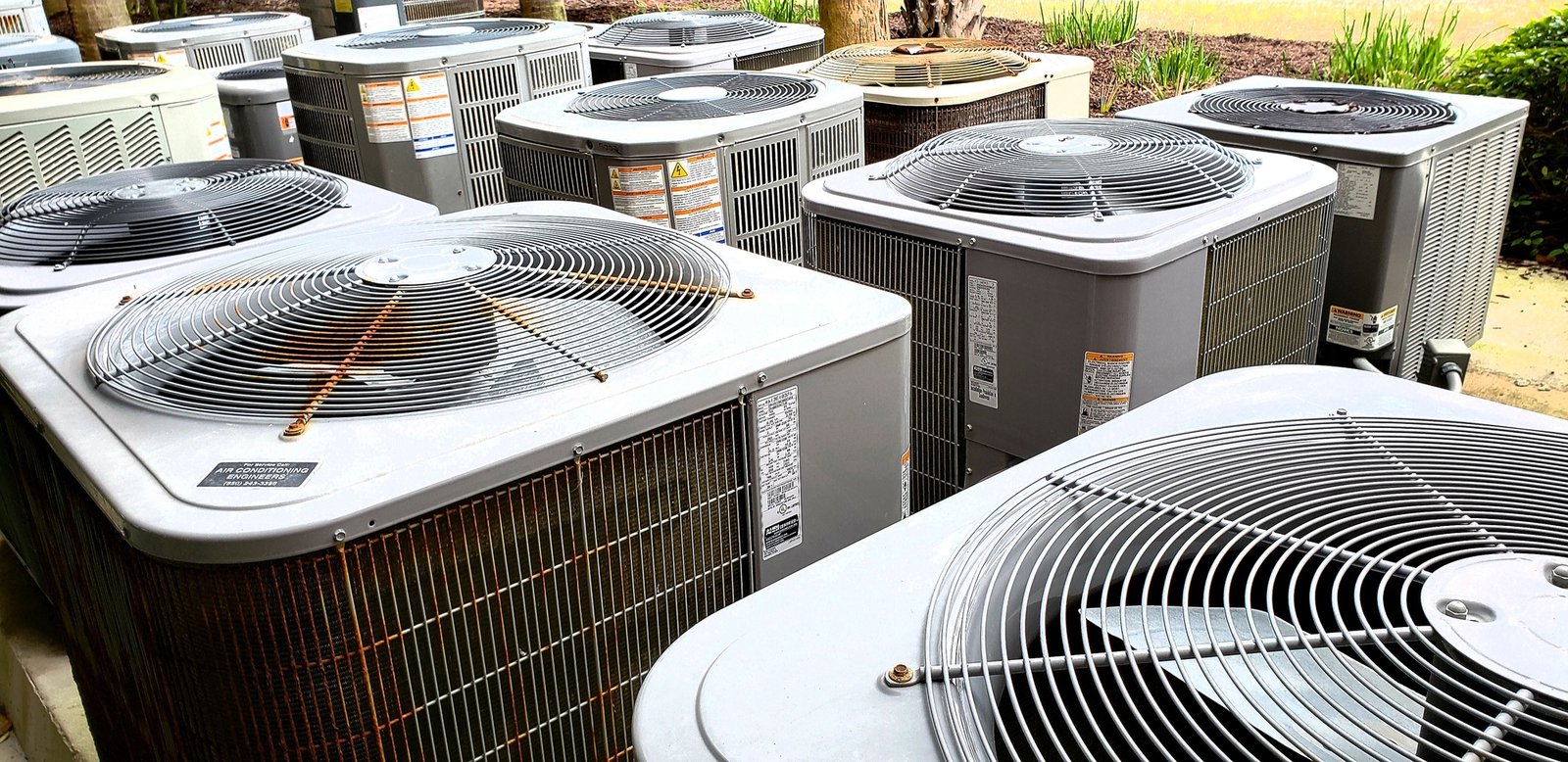
Heat pumps sized for pool water or hydronic loads coordinate with dehumidifiers in split architectures—especially when the water-heating and air-side need different turndown strategies.

When AHU/FCU subsystems are required to integrate fresh air, filtration, and zone delivery, coordinate coil selections with your dehumidifier to avoid uncontrolled re-humidification at terminals.
ISO-led manufacturing, engineering review, and documentation for B2B buyers placing complex HVAC. Application support for humidity-sensitive spaces including pools, data halls, and healthcare.
Planning a new indoor pool? Walk through a structured sizing and efficiency checklist, then share pool geometry, climate, and operating hours so engineering can pre-screen a heat-recovery and heating architecture.
Contact Songxin HVACNeed a dehumidification and heating specification tied to a commercial pool? Provide pool size, climate, and use case—OEM/ODM and documentation support is available for Latin America, Middle East, and other high-humidity markets.
Request engineering packageIf humidity, corrosion, or energy bills are off baseline, a confidential review can highlight missing recovery, control issues, or cover-use policies. Songxin’s team can help map practical upgrades to your climate and tariff reality.
Book a technical review