A practical HVAC selection guide for commercial buildings comparing hydronic fan coil systems, VRF, and conventional DX solutions.
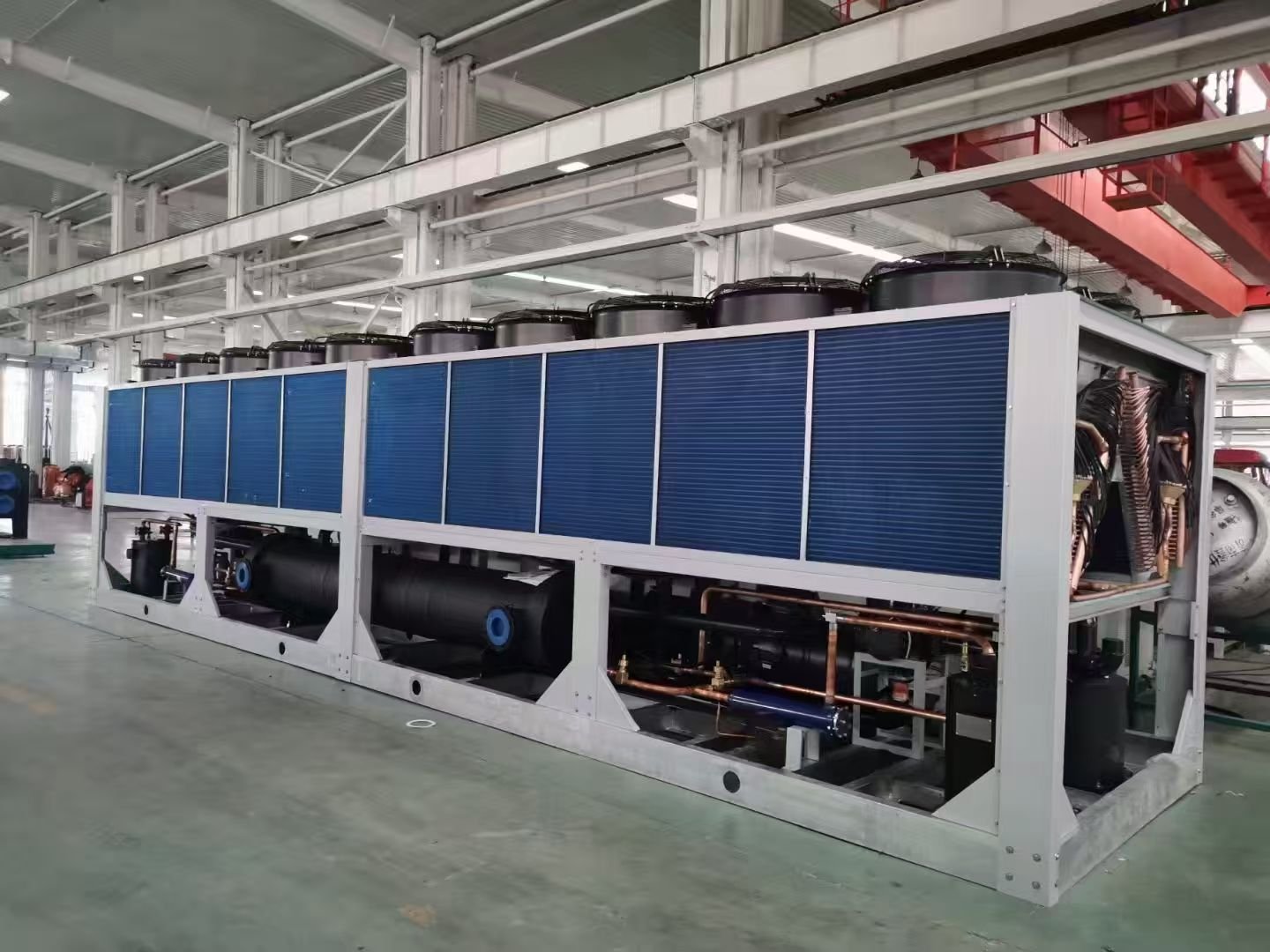
This guide is written for commercial building owners, MEP consultants, contractors, and project buyers who need a practical selection framework. Choosing between a heat pump + FCU system, a VRF system, and a conventional DX system depends on zoning strategy, installation constraints, ventilation approach, refrigerant distribution, maintenance resources, and long-term operating priorities.
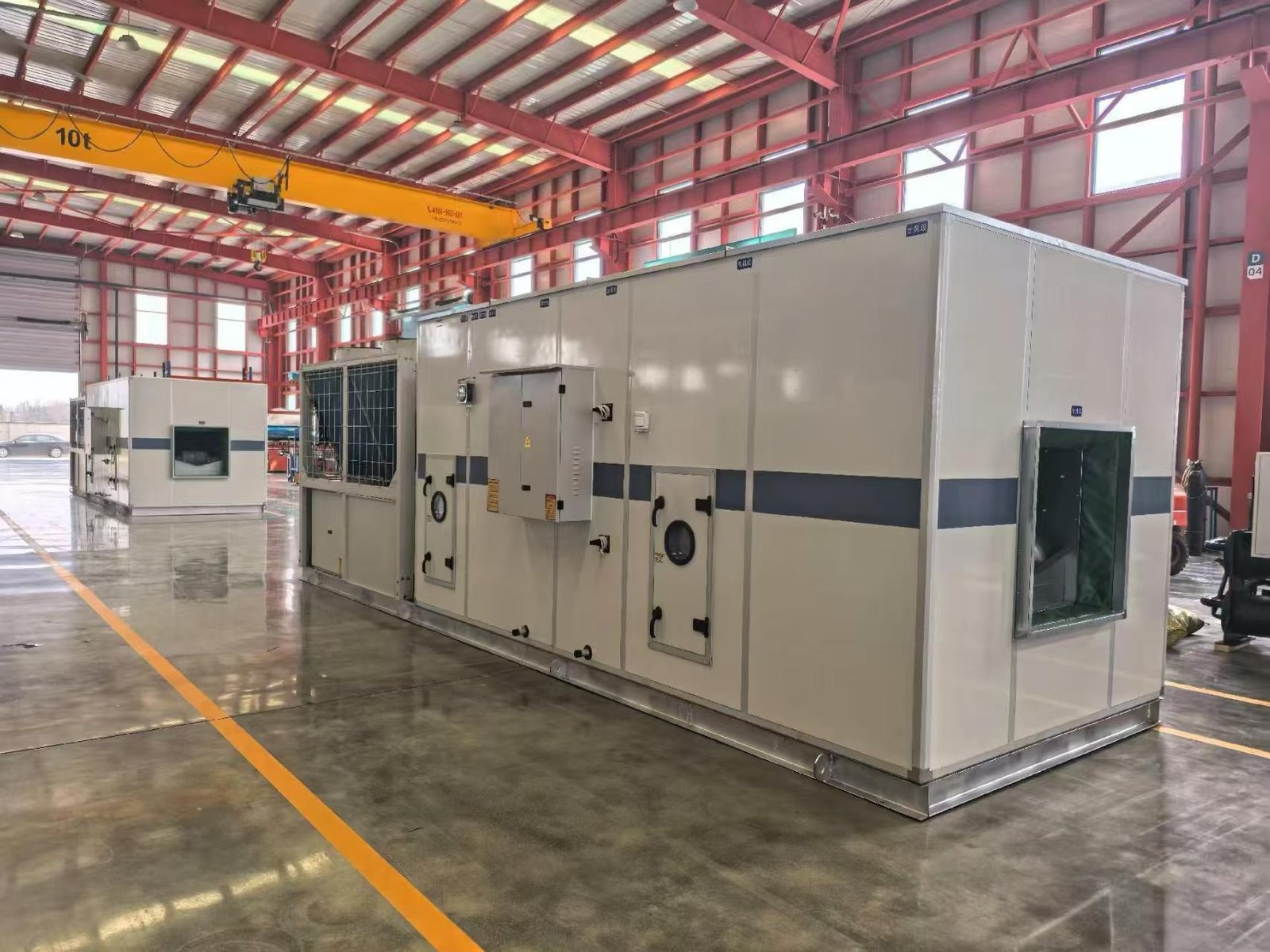
Best when the project values hydronic distribution, wants refrigerant out of occupied-zone terminals, and is moving toward building electrification or low-carbon operation. Ideal for hotels, offices, schools, and hospitals.
Best when the project needs many independently controlled zones, compact refrigerant-based distribution, and — in heat recovery configurations — simultaneous heating and cooling across zones with mixed load patterns.
Best for smaller, simpler, cost-sensitive, or schedule-driven projects where advanced multi-zone control is not required. Rooftop packaged units, ducted splits, and split configurations remain highly effective in the right scope.

A heat pump moves heat rather than generating it directly. In cooling mode, it supplies chilled water to fan coil units; in heating mode, it supplies warm water to the same hydronic terminals. Refrigerant stays in the central plant — it never reaches occupied-zone terminals. Each FCU contains a fan, a water coil, and a condensate pan.
Because fan coil units recirculate and condition room air but do not introduce outdoor air, most projects pair them with a dedicated outdoor air system (DOAS), a small AHU, or another ventilation arrangement.

VRF distributes refrigerant from the outdoor unit to multiple indoor units. Variable-speed compressors and controls continuously adjust refrigerant flow to meet partial-load and zone-by-zone demand. Heat recovery variants can transfer heat from zones in cooling mode to zones that need heating simultaneously.
Because refrigerant travels to indoor units in occupied rooms, VRF is a direct system under ASHRAE 15 — refrigerant charge calculation, room volume adequacy, and leak detection provisions are part of the design process.
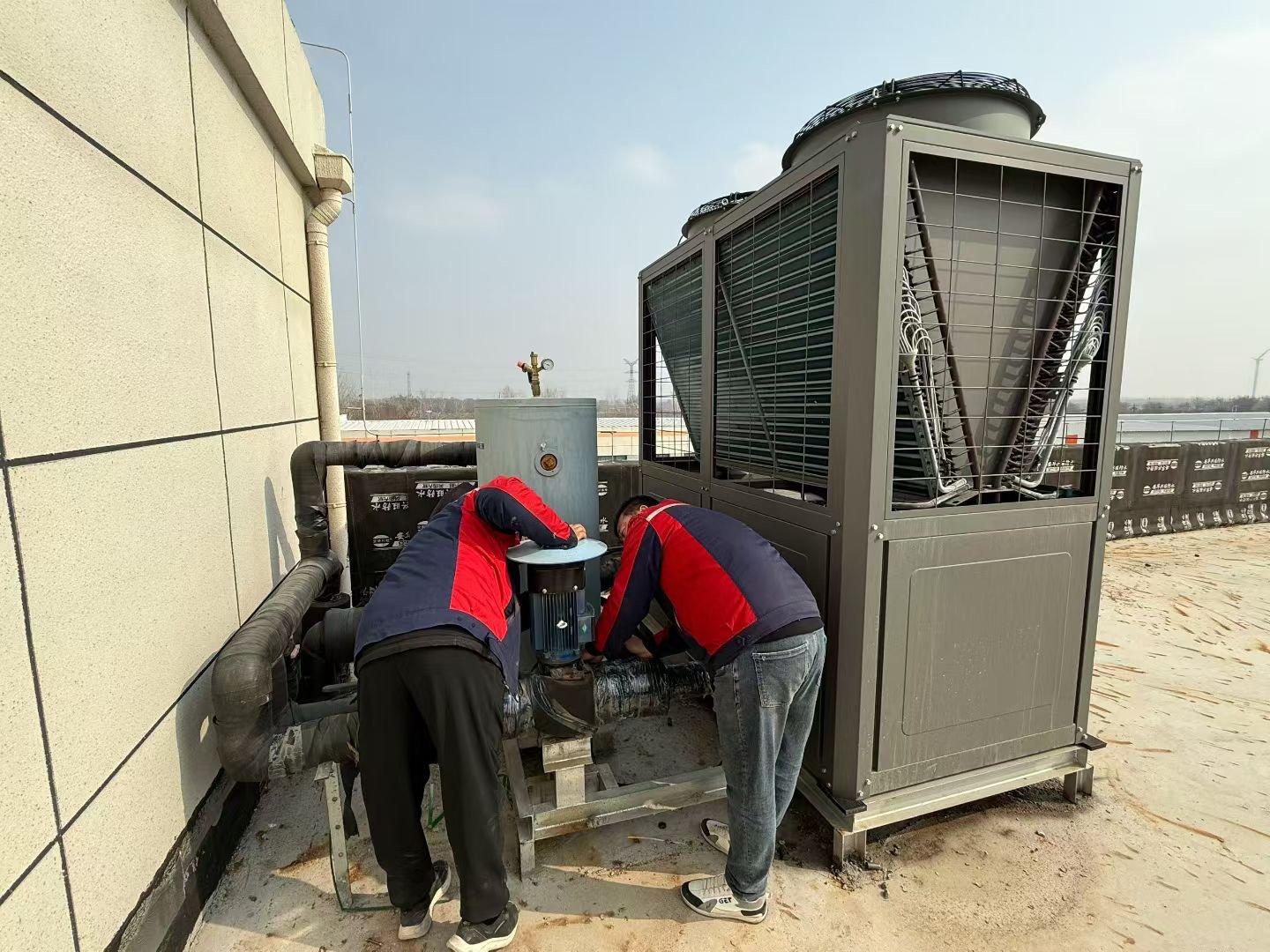
In a conventional DX system, refrigerant evaporates in the indoor unit’s coil, absorbs indoor heat, is compressed, rejects heat at the outdoor condenser, and repeats the cycle. Compared with VRF, conventional DX generally has simpler system architecture and serves fewer zones from a single machine.
Rooftop packaged units, ducted splits, and split configurations are the most common commercial DX formats. Installation is often the simplest of the three paths — especially for rooftop units that require only duct and power connections.
No single system wins on every dimension. The table below reflects general tendencies across typical commercial applications — actual performance always depends on project-specific conditions, design quality, and commissioning.
| Dimension | Heat Pump + FCU | VRF | Conventional DX |
|---|---|---|---|
| Best-Fit Building | Hotels, offices, schools, hospitals with hydronic infrastructure | Multi-zone offices, hotels, retail, mixed-use commercial | Smaller or simpler commercial, standalone zones, additions |
| Zone Control | Depends on hydronic design, control valves, and balancing | Designed specifically for fine-grained multi-zone control | Limited in complex multi-zone applications |
| Installation | Water piping, condensate, controls, ventilation coordination | Refrigerant piping, controls, branch selection, code review | Rooftop units: duct + power connections only |
| Part-Load Efficiency | Strong electrification and lifecycle cost profile | Variable-speed compressors match fluctuating zone loads | Less part-load sophistication in multi-zone applications |
| Simultaneous H+C | Depends on plant and hydronic configuration | Heat recovery VRF is specifically designed for this | Requires multiple independent systems or special strategies |
| Refrigerant in Occupied Spaces | Refrigerant stays in plant — not in occupied-zone terminals | Refrigerant distributed to indoor units in occupied rooms | Refrigerant at indoor coil; simpler scale than VRF |
| Maintenance Model | Hydronic-side maintenance; no refrigerant handling at terminals | Requires refrigerant-trained technicians and manufacturer diagnostics | Widest service base; most familiar architecture |


If the project is moving toward electrification, values hydronic distribution, or wants to reduce refrigerant presence in occupied spaces — evaluate heat pump + FCU first. Future flexibility to change heat source is a key differentiator.
If the building has many zones, changing occupancy, and a need for fine control — evaluate VRF first. Confirm ASHRAE 15 compliance, refrigerant charge adequacy, and local service availability early in design.
If the project is straightforward and does not require advanced zoning — conventional DX may be the fastest and most practical route. Consider a hybrid approach for buildings with mixed requirements.
These questions reflect the most common points of confusion when comparing heat pump + FCU, VRF, and conventional DX systems for commercial projects.
Technically, yes. VRF uses direct-expansion refrigerant technology, but it is treated separately because it adds variable refrigerant control, multi-zone architecture, and advanced controls far beyond conventional split or packaged DX systems.
There is no universal answer. VRF often excels in offices with many independently controlled zones and variable occupancy. Heat pump + FCU often excels in offices that prioritize hydronic distribution, electrification, or reduced refrigerant in occupied spaces. The best fit depends on zoning needs, ventilation strategy, and project priorities.
Yes, for the right scope. Conventional DX remains highly effective in smaller, simpler, or schedule-driven commercial applications where advanced multi-zone control is not required. It becomes less compelling as project complexity, zone count, and simultaneous heating/cooling demands increase.
It can. In the United States, newly manufactured commercial VRF equipment must now use alternative refrigerants such as R-32. This introduces additional design considerations around charge limits, leak detection, and ASHRAE 15 compliance. Buyers should confirm with their supplier which refrigerant the equipment uses and whether it meets current requirements in the destination market.
In most commercial applications, yes. Fan coil units are hydronic terminals — they recirculate and condition room air but do not typically introduce outdoor air. Projects using FCUs generally pair them with a DOAS, a small AHU, or another ventilation arrangement to meet fresh-air requirements.
In many straightforward applications, conventional DX is the simplest — especially rooftop packaged units that require only duct and power connections. VRF and hydronic FCU systems both require more design coordination, though for different reasons: VRF for refrigerant piping and controls, and FCU systems for water piping and ventilation integration.
At minimum: building type, floor area, zoning plan, operating schedule, ventilation requirement, heating/cooling overlap, and any installation constraints. These inputs materially change the recommendation. A supplier who gives you a system recommendation without this information is guessing.
Yes, and for projects with mixed requirements this is often more realistic than forcing a single technology across the entire building. Some buildings use hydronic terminals in most occupied areas and a separate packaged or refrigerant-based system for a specialized zone. Consider the hybrid path before ruling out any single system.
For projects involving direct expansion equipment — rooftop units, ducted systems, or split configurations — Songxin HVAC provides B2B project supply with engineering support, OEM/ODM capability, and export documentation across 50+ countries.
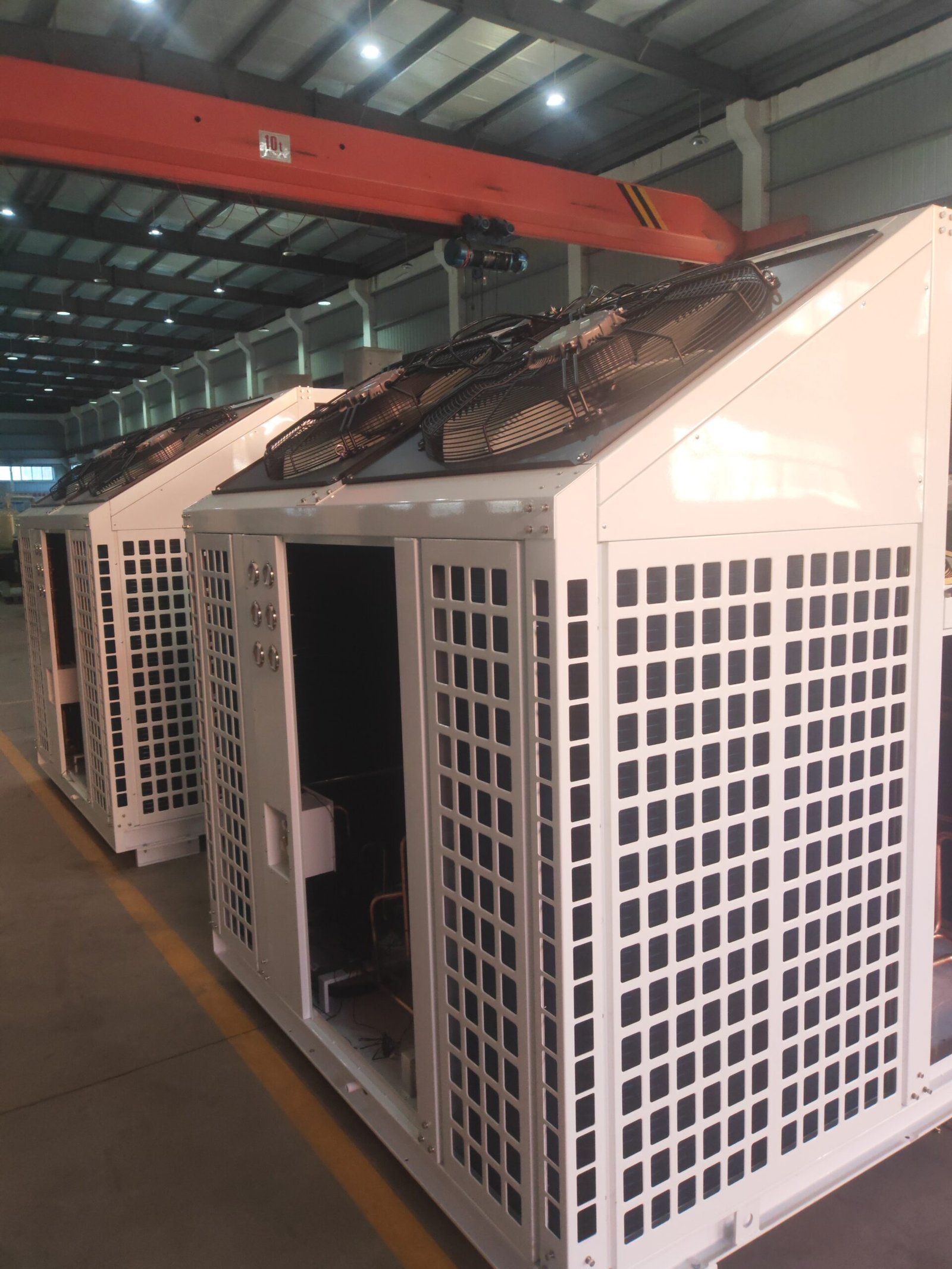
All-in-one rooftop units combining cooling, heating, and fresh air treatment. Space-saving design with lower energy consumption and simplified installation — ideal for offices, malls, factories, and hospitals.
Fully concealed above ceilings or behind walls — only slim air vents visible. Scroll compressor with fixed or inverter speed options. Suitable for high-end homes, office floors, hospitality, healthcare, and retail environments.
High-capacity direct expansion cooling for modern commercial buildings. Scroll or screw compressor configurations. Suitable for offices, restaurants, hotels, labs, industrial workshops, and large retail spaces.

Complete DX product range including rooftop units, tent air conditioners, and specialty configurations. ISO 9001, CE, and AHRI certified systems with OEM/ODM capability and full export documentation support.

Industrial-grade air-cooled screw chillers for large commercial and industrial hydronic systems. Engineered for data centres, hospitals, hotels, and manufacturing facilities requiring reliable chilled water supply.
ISO 9001, CE, and AHRI certified HVAC manufacturing with engineering support, CAD drawings, and fast global logistics. Application-matched solutions for data centres, hospitals, hotels, and industrial sites.
Planning a commercial HVAC project and need to evaluate system options against your building requirements? Contact Songxin HVAC’s engineering team for project-specific guidance and equipment selection support.
Contact Engineering TeamExplore Songxin HVAC’s direct expansion product range — rooftop units, ducted systems, and split configurations — built for international B2B project supply with OEM/ODM capability.
Browse DX ProductsNeed technical datasheets or project documentation for your HVAC system evaluation? Request specifications from Songxin HVAC’s export team — including CAD drawings and compliance certificates.
Request Specifications