20+ Years Commercial & Industrial HVAC Manufacturing · Global Shipping
Get a Quote
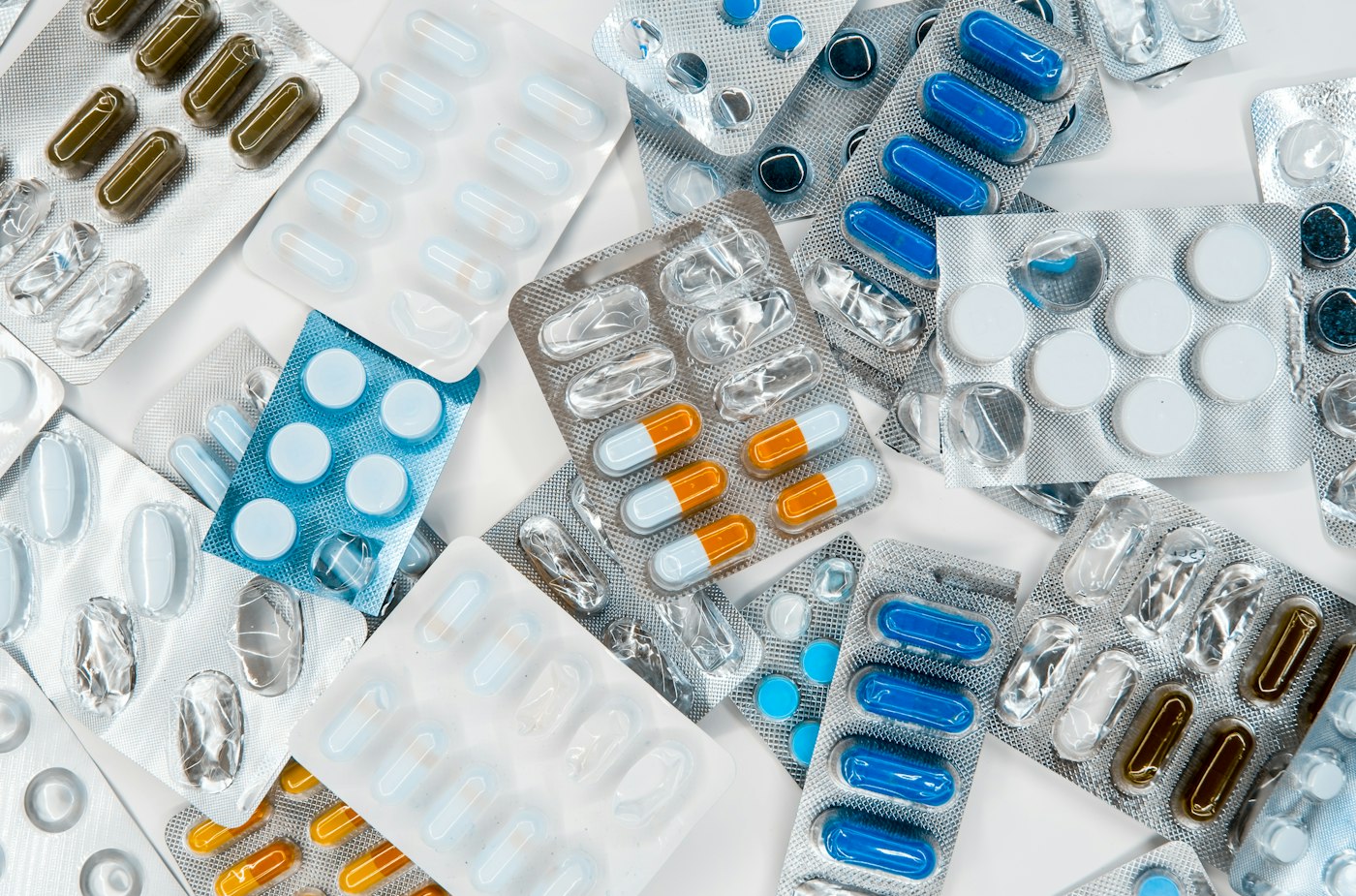
Pharmaceutical Grade HVAC

How to Choose DX Units for
Pharmaceutical Cleanrooms

From ISO Class 5–8 requirements to HEPA/ULPA, ACH, and humidity control, find the right DX solution for your cleanroom application.

ISO Class 5–8 Compliance
HEPA/ULPA Filtration
Precise Humidity Control
ACH Optimization
GMP Standards
GMP Certified
24/7 Support
Expert Consultation

When buyers search for a pharmaceutical cleanroom HVAC solution, they are rarely looking for “cooling” alone. They are trying to answer a more important question: Can this DX system support the required cleanroom class, filtration strategy, pressure cascade, and temperature/humidity stability without creating GMP risk?

That is the real decision point.

For pharmaceutical projects in Southeast Asia, South Asia, and other manufacturing-heavy markets, DX-based systems can be a practical option for many support and controlled production spaces. But they should not be specified like ordinary commercial air conditioning. In pharma, the discussion must start with room function, contamination risk, cleanliness class, and environmental stability—not just cooling capacity.

GMP and ISO: What They Do, and What They Do Not Do

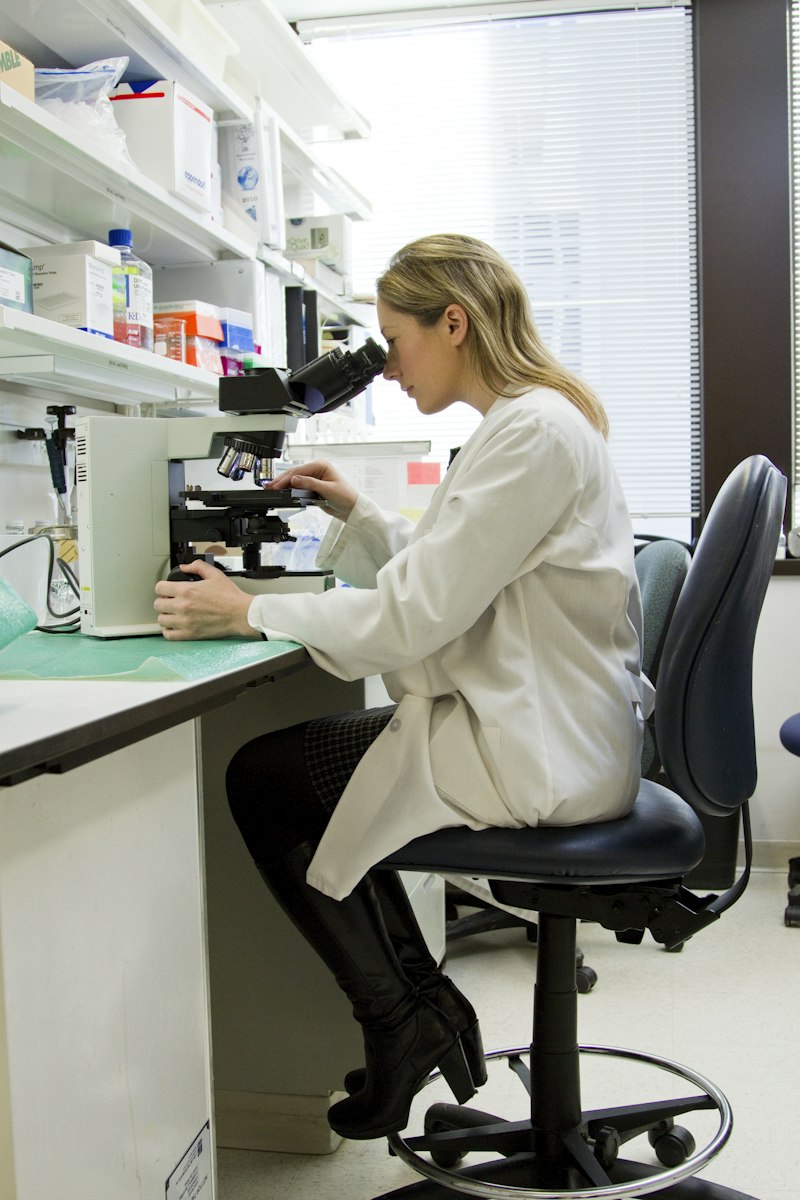
Pharmaceutical laboratory with controlled environment and precision equipment

One of the biggest mistakes in pharmaceutical HVAC selection is assuming that GMP gives one fixed parameter table for every cleanroom. It does not.

ISO 14644 classifies cleanrooms by airborne particle concentration. FDA also makes clear that manufacturers should not rely on ISO 14644 alone when qualifying a pharmaceutical aseptic facility; ISO standards need to be used together with FDA regulations, guidance, and other relevant references.

WHO likewise states that temperature, relative humidity, and ventilation should be appropriate for the product, process, equipment, and personnel, and EU GMP Annex 1 says temperature and RH should be controlled within ranges that support product, process, personnel, and the required cleanliness level.

That means the right way to write this topic is not “mandatory GMP values for ISO 5–8,” but rather: typical engineering design targets used to support ISO 5–8 pharmaceutical spaces under GMP practice. That distinction matters. It protects your credibility with engineers and QA-minded buyers.
Modern pharmaceutical cleanroom with workers in sterile gowns operating production equipment

Typical Pharmaceutical DX Design Targets by ISO Class 5–8

The practical framework many buyers actually need—with honest engineering ranges instead of misleading single-number rules.

ISO 8
Support Areas & Less Critical Spaces
ACH 20–30 ACH
Temperature 20–25 °C (±2 °C)
Humidity 40–60% RH (±5%)
Filtration HEPA H13

FDA states that airflow sufficient to achieve at least 20 air changes per hour is typically acceptable for ISO 8 support rooms. Practical control target: ±2 °C and ±5% RH.

ISO 7
Buffer Rooms & Controlled Production
ACH 30–65 ACH
Temperature 18–22 °C (±1 °C)
Humidity 40–60% RH (±5%)
Filtration HEPA H13–H14

A common engineering target is 30–65 ACH, although some pharmaceutical ISO 7 designs run higher depending on personnel load and process sensitivity. Treat as a design exercise, not a copy-paste rule.

ISO 6
Higher-Control Transition Zones
ACH 80–150 ACH
Temperature 18–22 °C (±1 °C)
Humidity 40–55% RH (±5%)
Filtration HEPA H14

At this level, buyers evaluate whether the system can maintain stable airflow, support terminal filtration, recover quickly after disturbance, and hold temperature/RH within a tighter envelope.

ISO 5
Critical Zones — Exposed Product / Aseptic
Airflow UDAF 0.36–0.54 m/s
Temperature 17–20 °C (±0.5–1 °C)
Humidity 40–55% RH (±5%)
Filtration Terminal HEPA H14

EU GMP Annex 1 emphasizes first air protection and unidirectional airflow. The better engineering language is UDAF / first-air protection, not “just ACH.” ULPA is not a universal GMP requirement for ISO 5.
Important: These are typical engineering design targets, not mandatory GMP values. GMP and related guidance expect temperature, RH, and ventilation to be appropriate for the product, process, personnel, and cleanliness requirement. ISPE notes that manufacturing and storage facilities are generally controlled in the 15–25 °C range unless more stringent control is needed.

HEPA vs ULPA: What Buyers Should Actually Ask

HEPA filter system in a pharmaceutical cleanroom ceiling installation

In cleanroom projects, “Do you use HEPA or ULPA?” is often the wrong first question. The better questions focus on room classification, process risk, filtration strategy, and system integration.

Under EN 1822 / ISO 29463 practice, H13 and H14 are HEPA classes, while U15 to U17 are ULPA. Both are used in critical clean-air applications, but ULPA brings higher pressure-drop implications and should be selected only where the application really justifies it.

The Better Questions to Ask

1 What is the room classification and process risk?
2 Is filtration applied at terminal level, unit level, or both?
3 What is the available external static pressure?
4 How will pressure drop affect airflow stability?
5 How will the filter be validated, replaced, and maintained?
HEPA
H13 ≥99.95% · H14 ≥99.995%
Mainstream terminal filtration choice for pharmaceutical cleanrooms
Lower pressure drop — better for DX system integration
Suitable for ISO 5–8 pharmaceutical applications
More economical validation and replacement cycle
VS
ULPA
U15 ≥99.9995% · U16 ≥99.99995%
Special-choice option for very high-purity applications
Higher pressure drop — impacts system ESP requirements
Justified for certain mini-environments or special equipment
Not a blanket GMP default — choose based on process need

HEPA is the mainstream terminal filtration choice; ULPA is a special-choice option, not a default requirement. Choose the filtration level because the process and airflow design justify it—not because “higher is always better.”
Where DX Units Fit Well in Pharmaceutical Projects

Pharmaceutical controlled production room with HVAC ducting and clean environment systems

DX systems can be an excellent fit for many pharmaceutical spaces when properly specified. But they require more caution in highly critical zones where validation, recovery time, and airflow visualization are especially important.

That is exactly why the supplier’s engineering judgment matters. A seller who treats every pharmaceutical room as “cooling + HEPA” is not reducing risk for the buyer.

DX Systems Work Well In:
  • ISO 8 support areas
  • Many ISO 7 pharmaceutical rooms
  • Non-aseptic production spaces
  • Controlled packaging areas
  • Ancillary clean support rooms
  • Retrofit projects where chilled water is not practical
More Caution Needed In:
  • ISO 5 critical zones
  • Aseptic filling environments
  • Exposed-product areas requiring robust first-air protection
  • Facilities where validation, recovery time, and airflow visualization are especially critical
A trustworthy supplier does not pretend every DX product is suitable for every GMP space. The right discussion starts with room function, contamination risk, and environmental stability — not just equipment tonnage.

Why Songxin Can Be a Credible DX Partner for Pharma-Related Projects

Songxin’s DX portfolio aligns with the realities of pharmaceutical and clean-environment HVAC selection — covering precision control, ducted airflow, dehumidification-heavy operation, and packaged support-space solutions.
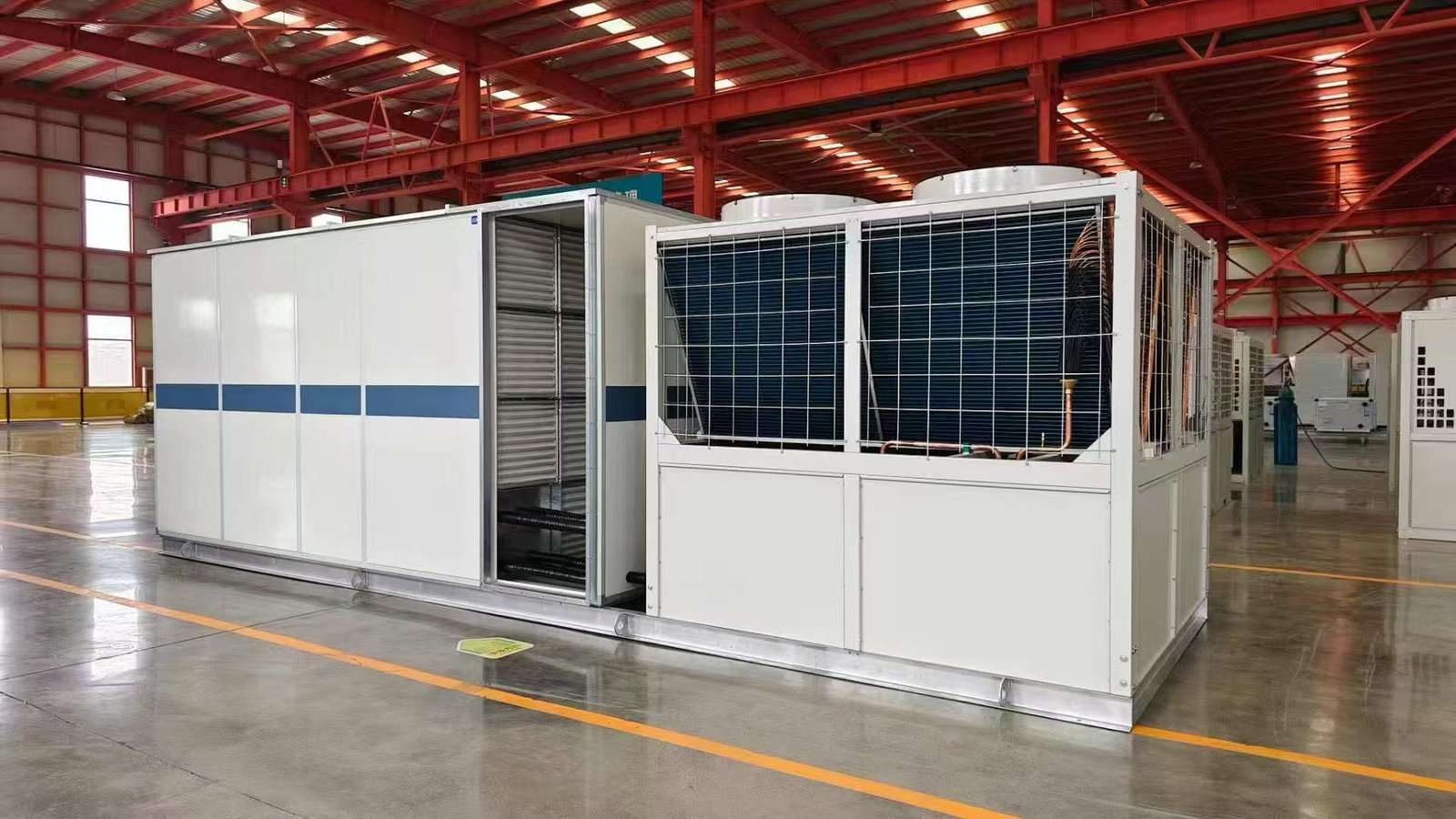
Precision air conditioning unit for pharmaceutical cleanroom temperature and humidity control
Precision Control
FTH Air-Cooled Precision Air Conditioning

Documented with ±1 °C temperature control, ±5% RH humidity control, integrated PTC electric reheating + electrode humidification. Suitable for laboratories, pharmaceutical workshops, and high-requirement spaces.
±1 °C Control ±5% RH 15–180 kW CE / ISO 9001
View Details
Ducted DX air conditioning system for pharmaceutical cleanroom air distribution
Ducted Airflow
FG Ducted DX Units

200–300 Pa external static pressure, flexible indoor/outdoor split arrangement, BMS access, and an installation format that fits mid-to-long duct runs for terminal filtration coordination.

200–300 Pa ESP BMS Access 15–75 kW Split Arrangement
View Details
Temperature control dehumidifier unit for pharmaceutical humidity management
Dehumidification
CFTF Air-Cooled Temperature-Control Dehumidifier

24.5–116.2 kW cooling capacity, 15–75 kg/h dehumidification, 4,500–20,000 m³/h airflow, and a dual-system design described as improving temperature and humidity control precision.
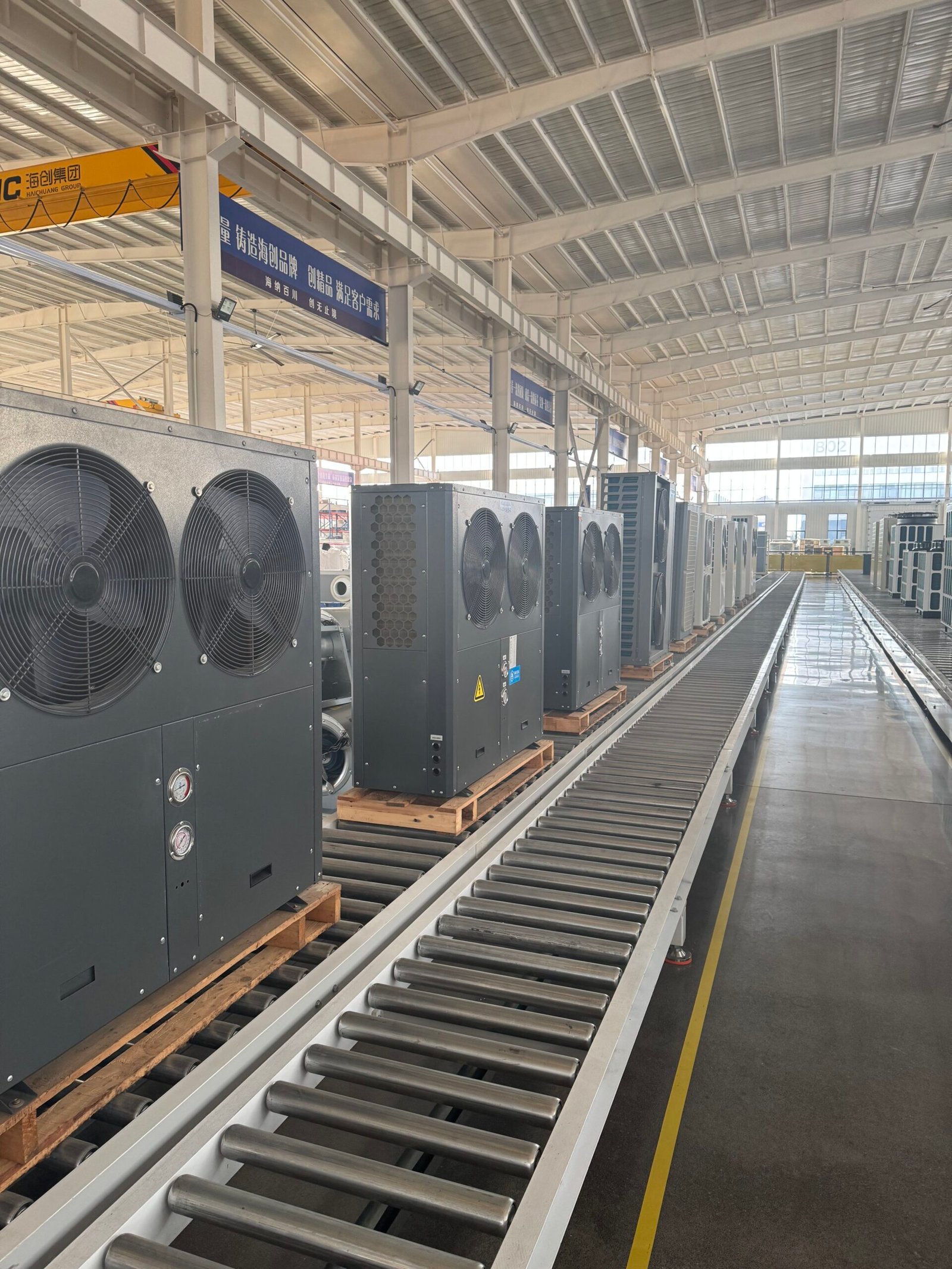
24.5–116.2 kW 15–75 kg/h Dehumid. Dual-System Design
View Details
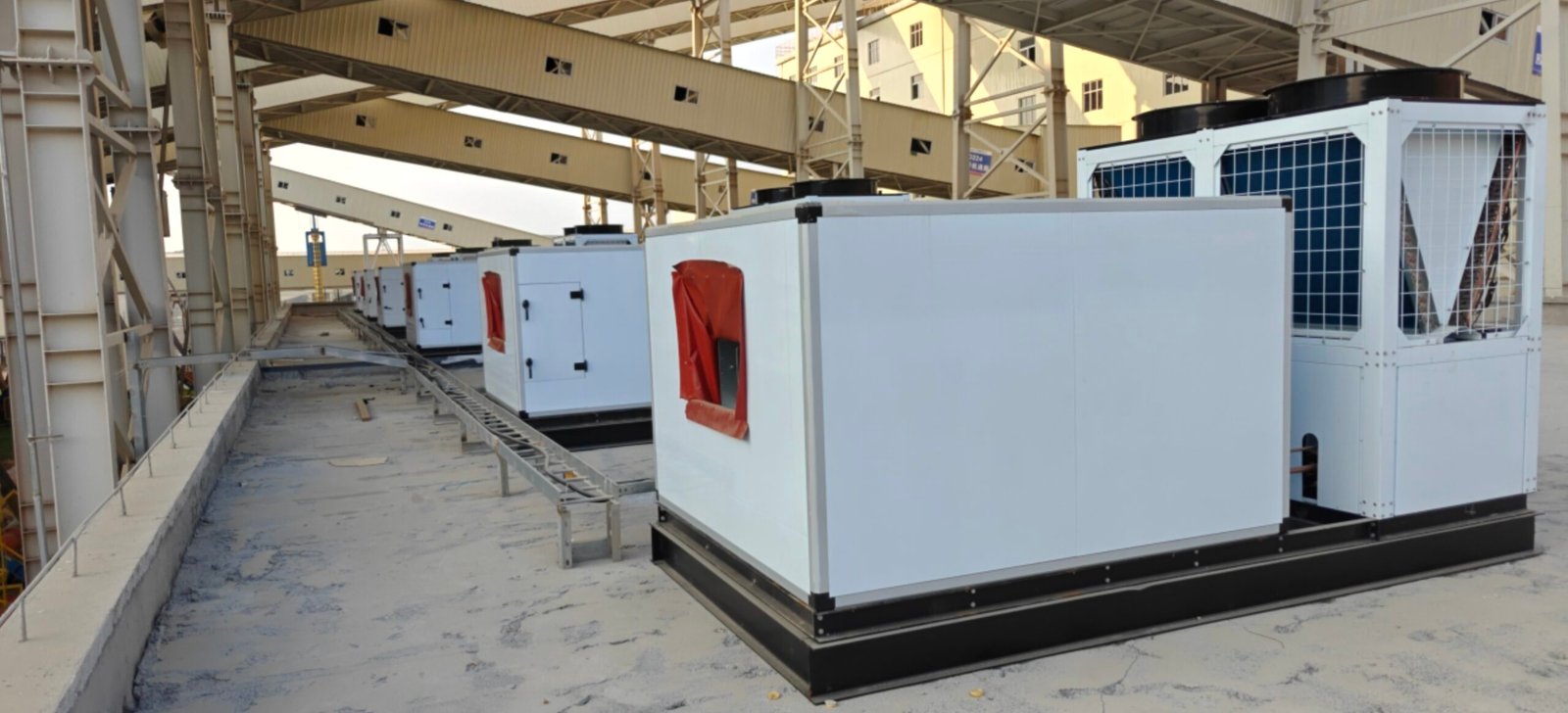
Rooftop DX packaged unit for pharmaceutical support building HVAC
Packaged Rooftop
WK Rooftop DX Units

Packaged format with 35–180 kW cooling, 200–450 Pa ESP, integrated fresh air + G3 pre-filtration sections, and microprocessor control. Practical for less critical production support and logistics-adjacent zones.

35–180 kW 200–450 Pa ESP G3 Pre-filtration Microprocessor
View Details

What Buyers Should Prepare Before Asking for a Quotation

If an owner, distributor, or EPC contractor wants a useful quotation instead of a generic price list, they should provide:

Required room classification or GMP background grade
Room size and height
Target ACH or airflow quantity
Target temperature and RH range
Required control accuracy (±°C / ±%RH)
Final filtration strategy (HEPA grade)
Whether the space handles exposed product
Duct layout and required external static pressure
Fresh air, reheating, humidification, or dehumidification needs
Local ambient conditions and electrical supply

That information lets the supplier answer the real question: Is a DX solution appropriate here, and if so, which type of DX solution?

Conclusion

The right DX unit for a pharmaceutical project is not simply the one with enough cooling capacity. It is the one that can support the required cleanroom class, filtration strategy, pressure cascade, and validated temperature/humidity stability — while still being practical to install, maintain, and quote in the real project environment.

GMP and ISO do not give one universal design table for every room, but they do make one thing very clear: environmental control has to match the risk of the process.

For many ISO 8 and ISO 7 pharmaceutical spaces, and for selected ISO 6 applications, DX systems can be the right answer when designed properly. For ISO 5 critical zones, the discussion must shift toward first air, unidirectional airflow, and contamination control — not just equipment tonnage.

And that is where supplier credibility matters most.

Frequently Asked Questions

Q
Can DX units be used in pharmaceutical cleanrooms?
Yes, especially in ISO 8 support spaces, many ISO 7 rooms, and selected controlled pharmaceutical areas. For ISO 5 critical zones, the design focus shifts to first-air protection and unidirectional airflow, so the suitability of DX depends on how the full system is configured.
Q
Does GMP define one fixed ACH and temperature/RH value for each ISO class?
No. GMP and related guidance expect temperature, RH, and ventilation to be appropriate for the product, process, personnel, and cleanliness requirement. The values in this guide represent typical engineering design targets, not mandatory regulatory figures.
Q
What ACH is typical for ISO 7 and ISO 8 pharmaceutical rooms?
A practical starting point is about 20–30 ACH for ISO 8 and 30–65 ACH for ISO 7, with some ISO 7 pharma rooms designed higher depending on process and occupancy. FDA specifically says ISO 8 support rooms are typically acceptable at at least 20 ACH.
Q
Is ULPA required for ISO 5 pharmaceutical areas?
Not automatically. ISO 5 critical zones require very high control and typically rely on unidirectional, HEPA-filtered first-air protection. ULPA may be used in some special applications, but it is not a blanket GMP requirement for every ISO 5 area.
Q
What temperature and humidity targets are common in pharmaceutical cleanrooms?
Common engineering practice often starts around 18–25 °C and 30–65% RH, then tightens according to product, process, condensation risk, and operator conditions. More critical spaces are usually controlled more tightly than support spaces.
Q
What makes Songxin more credible for this type of project?
Because the documented product range already covers precision temperature/humidity DX control, ducted high-static DX units, dehumidification-focused DX equipment, and packaged rooftop formats — rather than forcing every buyer into one generic HVAC option.

Planning a Pharmaceutical Cleanroom or Controlled Production Project?

Send Songxin your room class, ACH target, temperature/RH requirement, and filtration plan. We can help you evaluate whether a DX solution is suitable and recommend the right configuration for your project.