

1. Why Standard HVAC Design Fails in Harsh Environments
HVAC systems designed for moderate climates often underperform or fail prematurely when deployed in regions with extreme ambient temperatures, high solar radiation, and heavy dust concentration.
Typical challenges include:
- Reduced cooling capacity at high ambient temperature
- Excessive condenser pressure and compressor stress
- Rapid fouling of heat exchangers and filters
- Increased maintenance frequency and operational downtime
From an engineering standpoint, high ambient and dusty environments must be treated as fundamentally different design conditions—not minor variations.
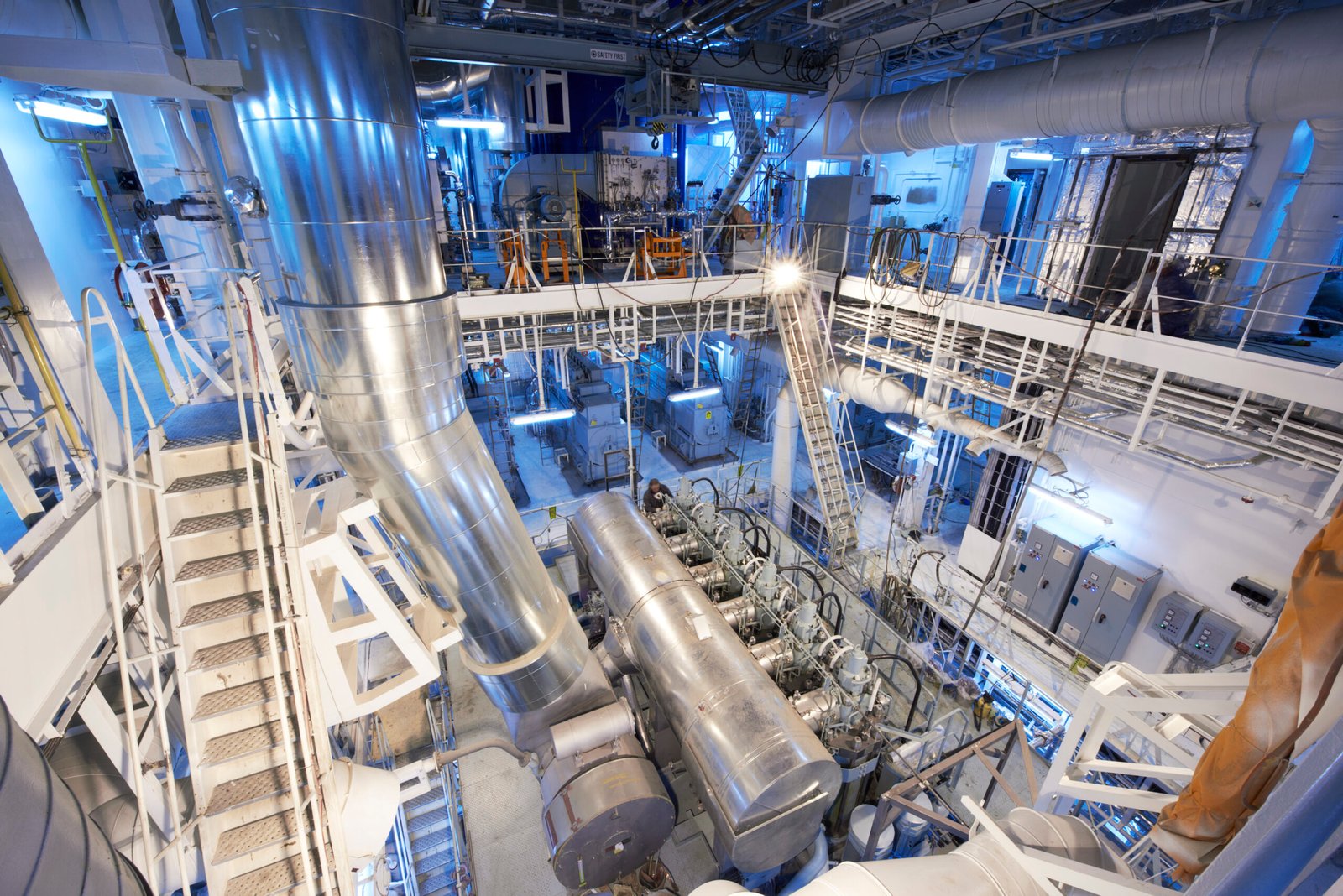
Design mindset shift: In harsh climates, reliability is a design parameter. Equipment selection, coil sizing, filtration strategy, and controls must be engineered for worst-case operation.
2. Impact of High Ambient Temperature on HVAC Systems
2.1 Condenser Performance Degradation
As ambient temperature rises, the ability of air-cooled condensers to reject heat decreases. The result is higher condensing temperature, reduced cooling capacity, and increased compressor power consumption.
- Higher condensing temperature (higher head pressure)
- Lower net cooling capacity
- Higher kW/ton and total electrical demand
Designers must verify performance at actual site conditions (design dry-bulb), not only at nominal rating points.
2.2 Compressor Reliability Risks
High condensing pressures increase mechanical and thermal stress on compressors, accelerating wear and increasing failure risk—particularly during peak daytime load.
Engineering check: Confirm unit operation envelope (ambient limit, max condensing pressure) and validate derating at design ambient to avoid chronic high-pressure trips.
3. Design Adaptations for High Temperature Conditions
To stabilize performance in extreme ambient conditions, HVAC equipment and system design should incorporate adaptations such as:
| Design Adaptation | Engineering Objective | Expected Benefit |
|---|---|---|
| Enlarged condenser surface area | Increase heat rejection at high dry-bulb | Lower condensing temperature, reduced compressor stress |
| High-efficiency condenser fans | Increase airflow and improve coil ΔT | Higher capacity retention during peak ambient |
| Optimized refrigerant selection | Improve high-ambient operating envelope | Better efficiency and stability within design limits |
| Advanced control logic | Adaptive fan/compressor staging | Reduced trips, improved part-load and peak stability |
System-level note: Equipment upgrades should be paired with realistic electrical capacity planning, proper ventilation of equipment yards/plant rooms, and shading/spacing strategies where applicable.
4. Dust and Airborne Contaminants Challenges
Dust accumulation reduces heat exchanger efficiency and restricts airflow, leading to reduced system performance, higher fan power, and overheating of electrical/mechanical components.
- Coil fouling increases pressure drop and reduces heat transfer
- Filters load quickly, raising fan energy and reducing airflow
- Air passages and electronics can overheat if not protected and ventilated
Reliability driver: In dusty sites, the dominant failure mode is often not “capacity shortage” but progressive fouling and airflow restriction.
5. Filtration and Fouling Mitigation
Effective dust mitigation requires both filtration strategy and maintenance-friendly mechanical design:
Multi-Stage Filtration
Use staged filters (coarse + fine) to protect coils and maintain airflow stability over time.
Easy Maintenance Access
Provide clear access for filter replacement and coil cleaning to reduce downtime and prevent neglected fouling.
Coil Coatings
Protective coatings can reduce adhesion of dust/salts and improve corrosion resistance where needed.
Washable / Self-Cleaning Options
Consider washable filters or condenser cleaning features for sites with frequent dust storms.
Design rule: If the site is dusty, assume cleaning must be frequent—and design equipment layout, access doors, and isolation points accordingly.
6. Material Selection and Corrosion Resistance
In dusty or saline environments, corrosion can become a dominant lifecycle issue. Proper material and coating selection for coils, casings, and fasteners is essential for durability.
- Corrosion-resistant coil protection (as required by environment)
- Robust casing materials and coating systems
- Appropriate fasteners to prevent galvanic corrosion
Field reality: In harsh regions, “small” corrosion problems often become major air leakage, casing damage, and coil failure within a few seasons if materials are not specified correctly.
7. Control Strategy and Monitoring
Advanced control strategies reduce peak stress, improve stability, and enable early detection of fouling or abnormal operation. Key capabilities include:
- Adaptive condenser fan and compressor control to manage head pressure
- Real-time monitoring of temperatures, pressures, and power
- Early fault detection (fouling indicators, abnormal ΔP, high-current alarms)
Monitoring insight: In dusty climates, trending condenser approach temperature and fan power can reveal fouling long before the unit trips or loses capacity.
8. Typical Applications
High ambient and dusty-region HVAC design is common in:
- Oil & gas facilities
- Mining operations
- Industrial plants
- Remote commercial developments
These projects often require robust, fault-tolerant equipment and operational strategies that anticipate limited maintenance windows.
9. Songxin HVAC Engineering Approach
Songxin HVAC develops solutions specifically for harsh environments by focusing on:
- High ambient performance validation against project site conditions
- Dust-resistant design features and serviceable layouts
- Robust materials and coating selection
- Flexible maintenance access and practical field support
Designing for High Ambient & Dust?
Share your design dry-bulb, dust severity, maintenance window, and required capacity. Songxin HVAC can help adapt equipment and control strategy to your site conditions.
View Recommendation10. Summary and Engineering Recommendation
HVAC design for high ambient and dusty regions requires specialized engineering beyond standard practices. By addressing thermal performance, fouling control, corrosion resistance, and monitoring strategy holistically, reliability and efficiency can be significantly improved.
Engineering recommendation: Start with verified high-ambient performance data, then design dust mitigation (filtration + cleaning access) and monitoring to keep the system operating near design performance throughout its lifecycle.
FAQ: HVAC Design in High Ambient and Dusty Regions
Why do air-cooled systems lose capacity in high ambient temperature?
Higher outdoor temperature reduces condenser heat rejection, increasing condensing temperature and compressor lift. This reduces net cooling capacity and increases power consumption, often causing high-pressure trips if not designed for the site ambient.
What is the most effective way to address dust fouling?
Combine multi-stage filtration (or protected air inlets), coil protection/coatings where appropriate, and a layout that allows quick filter replacement and coil cleaning. Without maintenance access, even good filtration strategies fail in practice.
How can controls improve harsh-environment reliability?
Adaptive fan/compressor control can stabilize head pressure and reduce peak stress. Monitoring trends (temperatures, pressures, ΔP, and power) enables early fouling detection and planned maintenance before failures occur.
Which projects most often require harsh-environment HVAC design?
Oil & gas sites, mining operations, industrial plants, and remote commercial developments commonly require high-ambient validation, dust mitigation, corrosion resistance, and fault-tolerant maintenance strategies.