Customized, Robust, and Intelligent Climate Systems for Subway Stations, Tunnels, Depots, and Control Centers
Trusted Partner for Metro Systems Worldwide — Delivering Reliability, Safety, and Sustainability for mission-critical underground environments.
Different zones in a rail network demand unique environmental solutions. SongXin’s engineering portfolio covers every key application area within a metro or urban rail system.
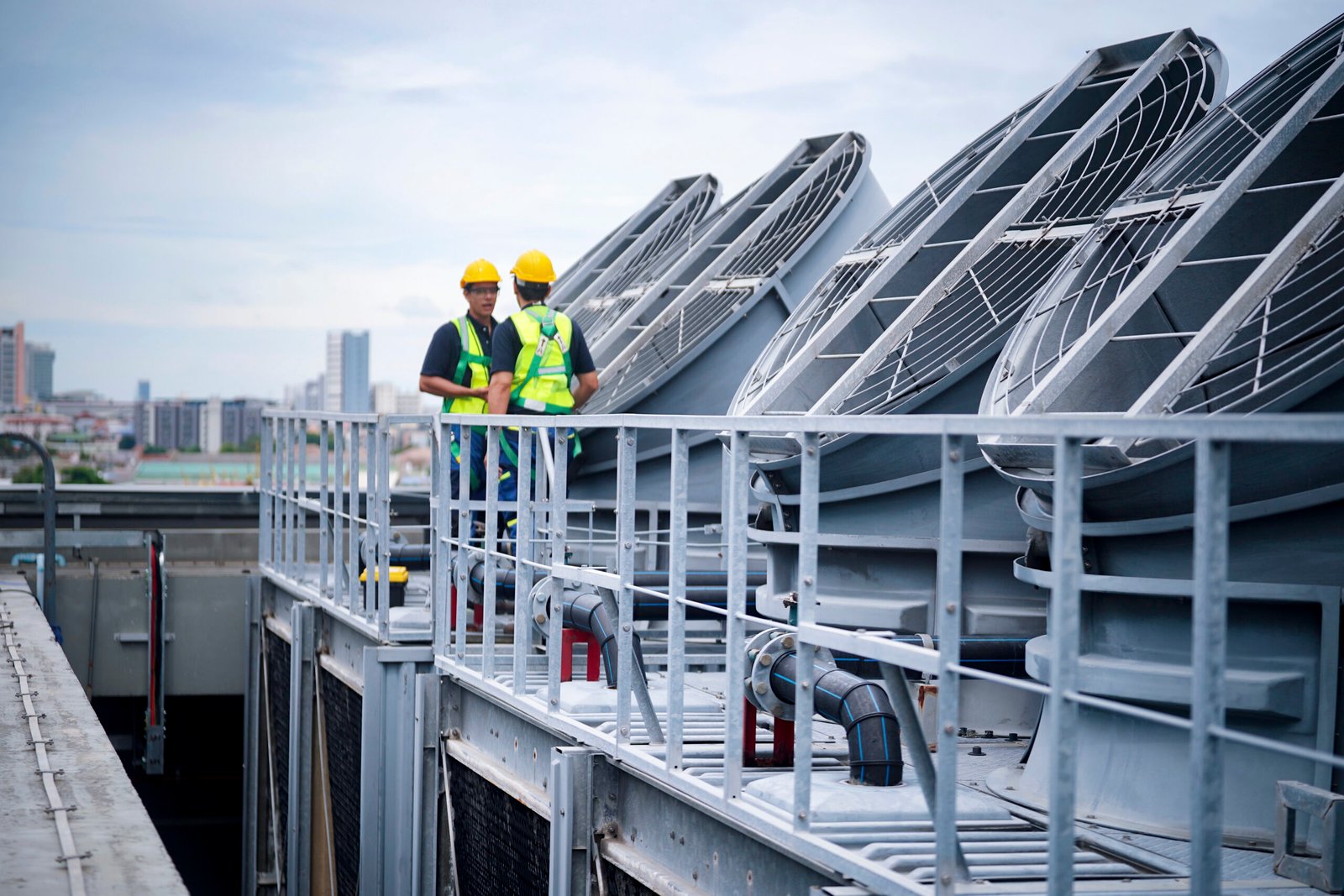
Handles large air volume, manages automatic temperature control, and integrates smoke extraction capabilities for emergency safety.
Station halls and platforms represent the most dynamic spaces of the metro network. Here, SongXin deploys centralized air‑cooled chiller plants coupled with intelligently controlled AHUs to balance comfort and ventilation. During fire events, dedicated smoke exhaust fans activate instantly through the fire control system, supporting safe, directed evacuation.
Bidirectional ventilation, emergency smoke extraction, and fire‑resistant construction.
Tunnels present a challenging airflow environment due to limited access and significant linear distance. SongXin designs jet‑fan ventilation systems that deliver bidirectional air movement based on train operation and ambient conditions. Fire‑resistant construction supports emergency smoke extraction and heat‑resistant endurance during critical situations.
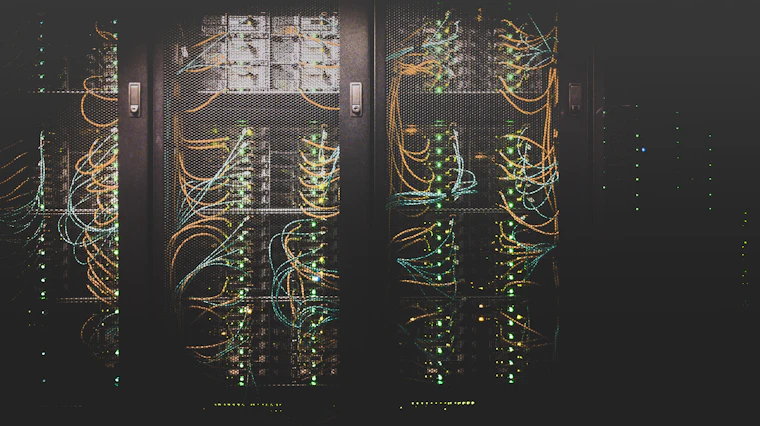
Maintains constant temperature and humidity, safeguarding sensitive electronic equipment.
The control and signal rooms are the brains of any metro line. Overheating or humidity drift can cause equipment failure. SongXin’s precision cooling systems use advanced variable refrigerant flow and energy recovery ventilation to maintain micro‑climate stability around the clock.
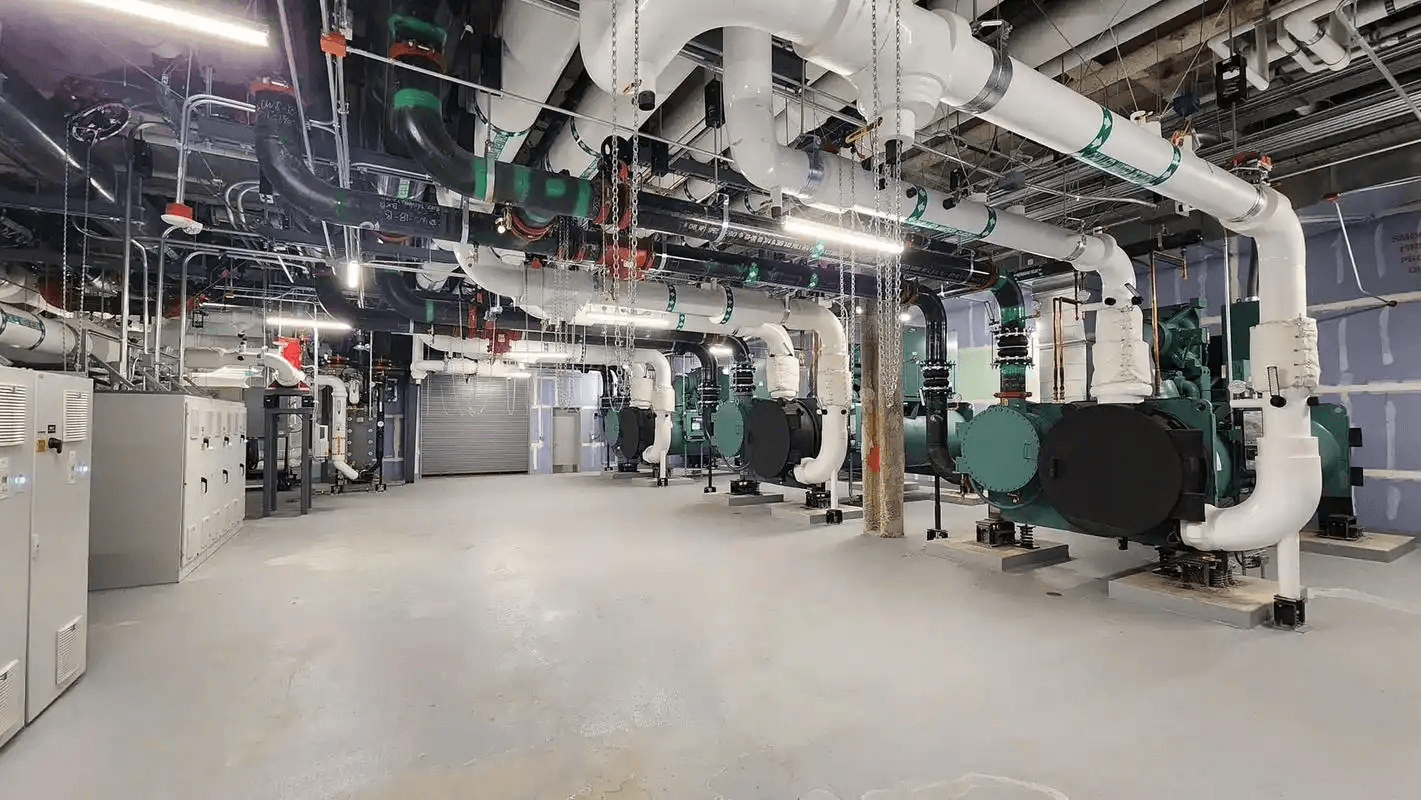
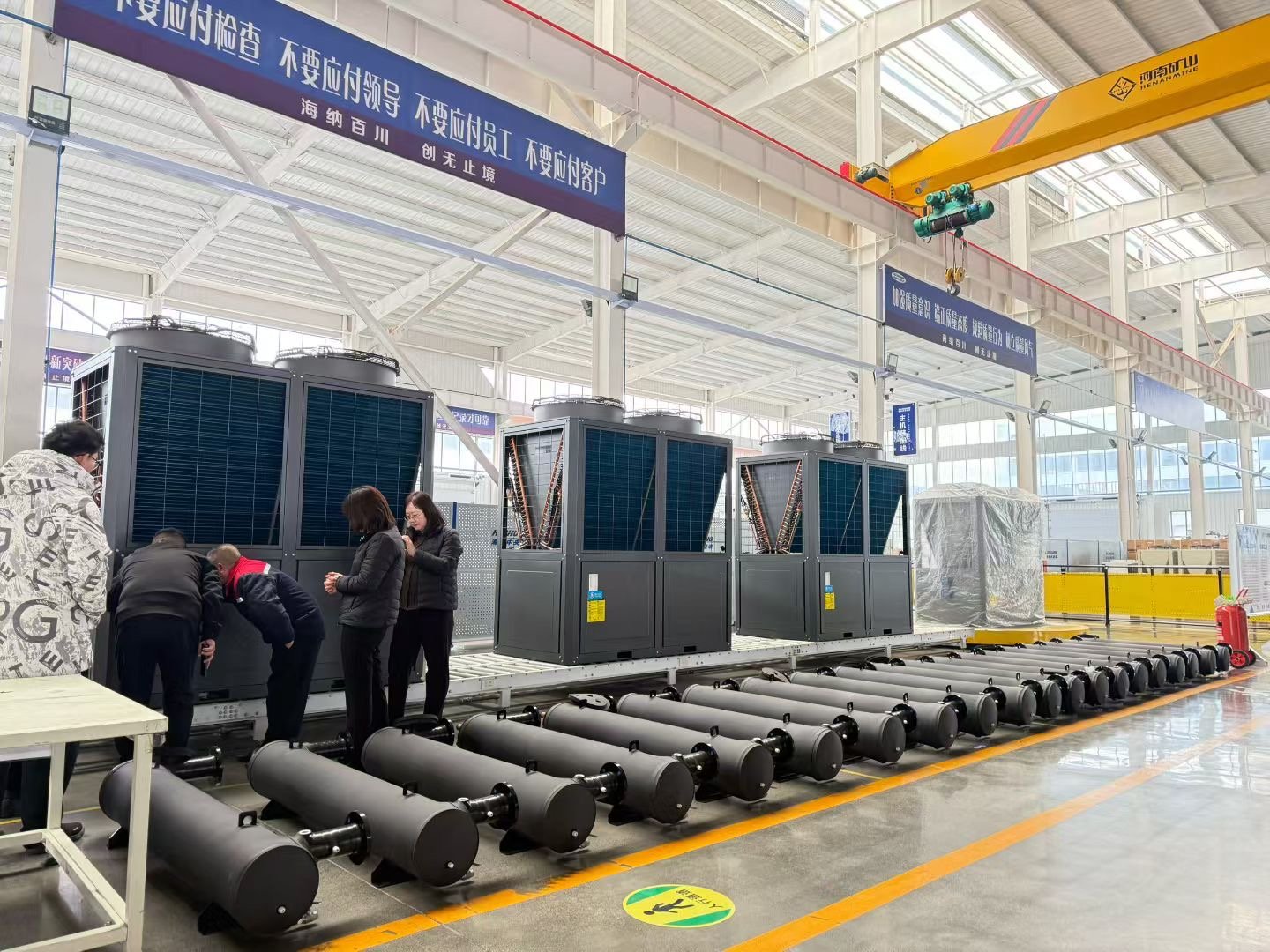
Provides stable operation across vast spaces with optimized air distribution.
Depots and maintenance workshops require large‑scale ventilation and durable cooling due to high internal heat loads and operational emission. SongXin integrates water‑cooled chillers with distributed AHUs to achieve balanced airflow while reducing energy cost.
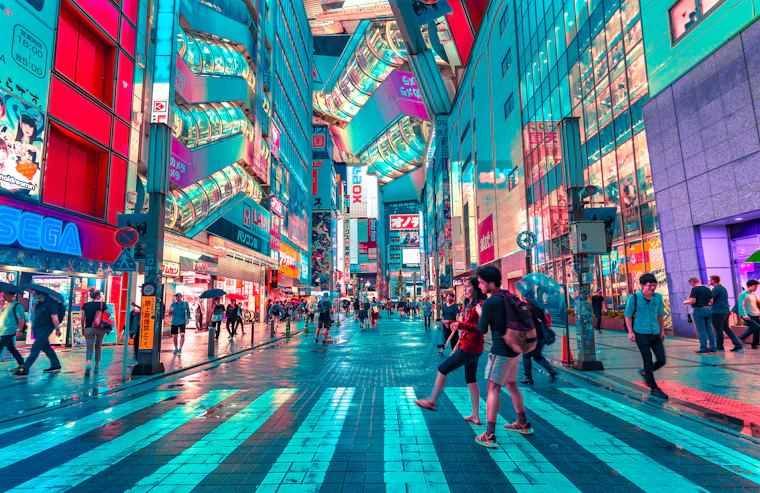
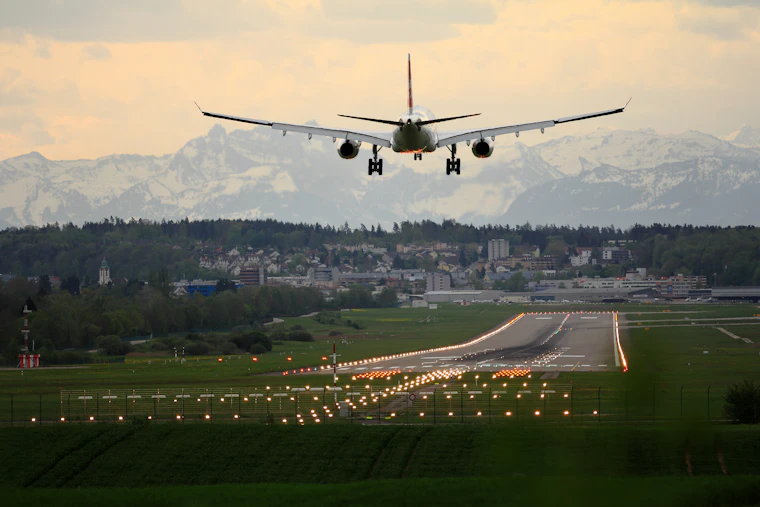
Delivers quiet, efficient cooling focused on passenger comfort and air quality.
For passenger waiting zones, SongXin prioritizes comfort and noise reduction. Compact ceiling‑mounted cassettes or ducted units bring localized temperature control with minimal sound—ideal for ticketing areas, staff rooms, and office pockets within the station complex.
When operators and contractors evaluate HVAC suppliers for rail applications, they consider more than just hardware pricing. SongXin stands out due to five distinct advantages:
Decades of specialization in transportation HVAC, with successful track record across subways, tunnels, and depots in multiple cities.
Full‑scope capabilities—from concept design and simulation through manufacturing, installation, and after‑sales support.
Strict adherence to EN 12101‑3, ISO 9001, and CE standards ensuring compliance and safety.
Proven 99.7% system uptime with N+1 design redundancy across numerous operating lines.
Continuous research in energy recovery and smart control technologies guaranteeing long‑term sustainability.
By combining engineering rigor with innovation, SongXin delivers complete, integrated solutions that exceed industry benchmarks for reliability, safety, and efficiency.
Each SongXin system integrates advanced engineering principles, proven reliability, and modern automation technologies tailored to the rail transit sector.
Every SongXin design is engineered for 24/7 continuous operation. Critical areas adopt N+1 redundancy to guarantee fail‑safe performance. Industrial‑grade components, vibration‑isolated mounts, and corrosion‑resistant materials extend service life even in humid, underground environments.
Safety defines our design philosophy. All fans and air‑handling systems meet fire‑resistance and smoke‑exhaust standards. Dedicated control interfaces link directly to building fire alarm systems for coordinated emergency response. This built‑in integration ensures rapid activation of smoke extraction and pressurization modes during emergencies.
SongXin incorporates energy recovery heat exchangers to reclaim thermal energy from exhaust air. By reusing waste heat or cool air, overall HVAC energy consumption is reduced by up to 30%. Variable‑speed drives adjust equipment load based on real‑time occupancy and temperature variance, aligning performance with sustainability goals.
Noise management is crucial within passenger environments. Through aerodynamic fan blades, acoustic insulation, and precision balancing, SongXin HVAC Solutions for Rail Transit maintain noise levels below 60 dB in public areas and even lower in control zones. The result is a quieter, more pleasant transit atmosphere.
Modern metro networks rely on centralized control. SongXin integrates HVAC management into the Building Management System (BMS) for live data monitoring, alarm linkage, and remote adjustments. Operators can track temperature, energy flow, and equipment status across every station from a single dashboard, enabling proactive maintenance and faster fault response.
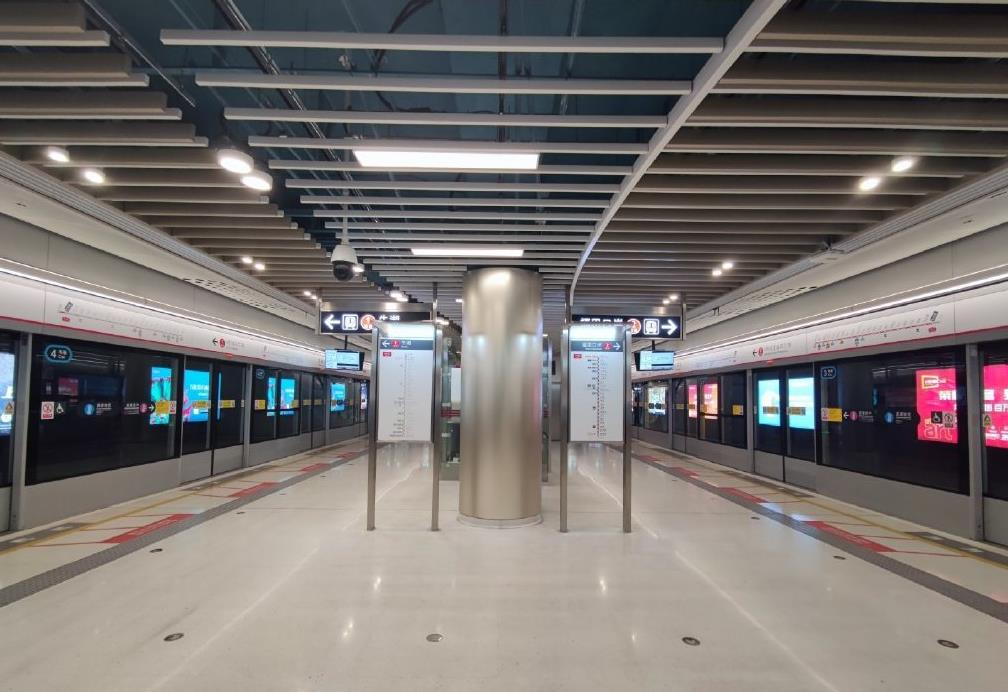
To illustrate the practical performance of our systems, consider a recent SongXin HVAC Solutions for Rail Transit project on a major Chinese metro line.
The engineering team faced narrow service corridors, prolonged humidity exposure, and frequent train movement producing heat and dust. SongXin’s solution included customized water‑cooled chillers with redundant pumps and intelligent control sequencing. Jet fans equipped with vibration isolation minimized tunnel noise, while energy recovery systems lowered utility cost.
The integrated BMS enabled real‑time supervision, and predictive maintenance alerts prevented breakdowns. This case solidified the reliability reputation of SongXin HVAC Solutions for Rail Transit and demonstrated measurable operational savings.
Every piece of SongXin transport equipment is designed under internationally recognized quality and safety standards, including EN 12101‑3 for smoke and heat control ventilation systems, ISO 9001 for quality management systems, and CE certification ensuring compliance with European regulations. Through these certifications, SongXin guarantees full traceability and continued compliance with metro and tunnel project specifications.
Each fan or casing undergoes comprehensive fireproof cable and casing verification. Materials are selected for extreme durability and temperature endurance, ensuring proper function during emergency conditions.
To ensure passenger comfort and long‑term system integrity, all major fans, chillers, and AHUs are subjected to vibration analysis and noise testing. Results consistently fall within strict acoustic comfort bands required by transit authorities.
SongXin continuously performs performance validation of systems operating in emergency ventilation mode. Equipment is tested at full smoke exhaust load to confirm reliability at high temperatures and pressures. This proactive approach underlines SongXin’s commitment to safety excellence in rail environments.
Putting together a high‑performance metro HVAC system is not just about hardware—it is a complex process involving simulation, installation, and after‑service. SongXin HVAC Solutions for Rail Transit include comprehensive end‑to‑end support.
The design team uses modern simulation tools, including computational fluid dynamics (CFD), to visualize airflow through tunnels and station halls. Thermal and smoke models help optimize fan placement, duct configuration, and diffuser orientation before installation begins. This digital approach minimizes design conflicts and enhances energy use predictions.
SongXin engineers ensure seamless interconnectivity between HVAC controls, fire alarm systems, and smoke exhaust controls. During emergencies, cross‑system automation triggers pressurization fans, closes motorized dampers, and guides smoke toward exhaust outlets—all automatically and within seconds.
Building in an underground setting amplifies noise propagation. SongXin’s acoustic engineers study airflow paths, duct resonance, and machine vibration to implement multi‑layer noise reduction strategies including silencers, vibration mounts, and acoustic panels.
Proper execution is critical to reliability. SongXin offers on‑site supervision throughout installation, ensuring equipment alignment, duct sealing, and electrical safety. After mechanical completion, the commissioning team calibrates control parameters, performs integrated system testing, and verifies performance compliance with project specifications.
Operation and maintenance are direct extensions of system reliability. SongXin’s lifecycle service package includes regular inspections, filter replacements, and proactive diagnostics. Through a digital monitoring platform, clients can analyze equipment data, access remote troubleshooting assistance, and receive predictive maintenance alerts to prevent frost, overheating, or vibration anomalies.
Efficient environmental control is at the heart of every modern metro system. As urban populations expand and public transportation becomes increasingly vital, HVAC systems must handle immense loads, long operating hours, and strict safety codes.
SongXin HVAC Solutions for Rail Transit deliver customized, robust, and intelligent climate systems that ensure passenger comfort, equipment reliability, and operational efficiency across subway stations, tunnels, depots, and control centers.
Drawing on years of engineering expertise, SongXin designs and manufactures HVAC systems specifically for the complex physical and operational demands of rail transit environments.
From high‑density passenger halls to confined tunnels, our equipment maintains stable air quality, temperature, and ventilation—all while minimizing energy consumption and noise.
Rail transit environments pose special technical obstacles that ordinary commercial HVAC systems cannot meet. Below are the primary environmental factors shaping every SongXin HVAC Solution for Rail Transit.
Urban metro systems experience enormous fluctuations in air‑conditioning load. Daily rush hours generate sharp increases in passenger density, raising both temperature and air pollution levels in station halls and platforms. This dynamic environment demands systems capable of automatically adjusting cooling and ventilation to compensate for rapid occupant changes.
SongXin’s adaptive control algorithms and variable air‑volume configurations ensure comfortable conditions even under extreme peaks—keeping passengers at ease while maintaining energy efficiency.
Most metro infrastructure operates below ground, leaving precious little room for mechanical installations. Compact, low‑noise units are essential to fit within limited technical shafts and service corridors.
SongXin engineers compact chillers, air handlers, and ventilation units that maintain full performance while minimizing footprint. Sound‑attenuated design ensures operational noise below 60 dB, preserving acoustic comfort in public areas.
Fire safety is a non‑negotiable requirement in rail transit design. Systems must perform dual roles: maintaining daily comfort and providing emergency smoke extraction during fires. Materials and components must meet stringent flame‑resistance ratings, and control logic must link seamlessly with station fire alarms.
All SongXin HVAC Solutions for Rail Transit comply with EN 12101‑3 and relevant local safety codes. Fire‑rated fans and ducts enable effective smoke control under high‑temperature conditions.
Unlike commercial buildings, metro facilities never sleep. Trains run early morning to late night; essential areas such as control rooms, signal equipment chambers, and data hubs require uninterrupted 24/7 cooling.
To guarantee consistent service, SongXin systems are built with N+1 redundancy—ensuring that even if one unit fails, backup equipment seamlessly maintains operation. This design philosophy reduces maintenance downtime and supports maximum system availability.
Modern cities demand sustainable infrastructure. SongXin HVAC Solutions for Rail Transit embody green engineering principles that balance comfort, safety, and environmental responsibility.

Energy recovery ventilators regulate air exchange by capturing heat or cool energy from exhaust air. This process cuts heating or cooling load and supports carbon‑emission reduction targets for transit authorities.
Variable‑speed drives and smart sensors modulate cooling capacity according to occupancy and external climate. The system’s self‑learning algorithm identifies consumption patterns to further optimize energy performance.
SongXin uses advanced, low‑GWP refrigerants in all chillers and VRF systems. These materials meet future environmental regulations and minimize ozone depletion impact.
By combining efficient design, recoverable energy, and minimized maintenance frequency, SongXin systems achieve lower total lifecycle costs. This translates into tangible savings for operators.
As metros evolve toward smart infrastructure, so do their mechanical systems. SongXin integrates the concepts of digital management into every project phase.
All SongXin HVAC devices connect through open communication protocols such as Modbus, BACnet, or LonWorks. Through BMS dashboards, operators control temperature setpoints, smoke exhaust triggers, and maintenance schedules from central consoles.
IoT‑enabled sensors gather vibration, temperature, and power‑consumption data for cloud‑based analysis. Predictive models identify trends indicating potential fault, allowing early intervention.
If abnormal temperature, smoke, or pressure is detected, SongXin’s smart monitoring platform triggers automatic alarm linkage with the metro’s main fire control and train operation management systems.
Through continuous operation data collection, performance algorithms evolve to improve airflow distribution and energy consumption patterns. This digital feedback loop ensures every SongXin system becomes smarter over time.
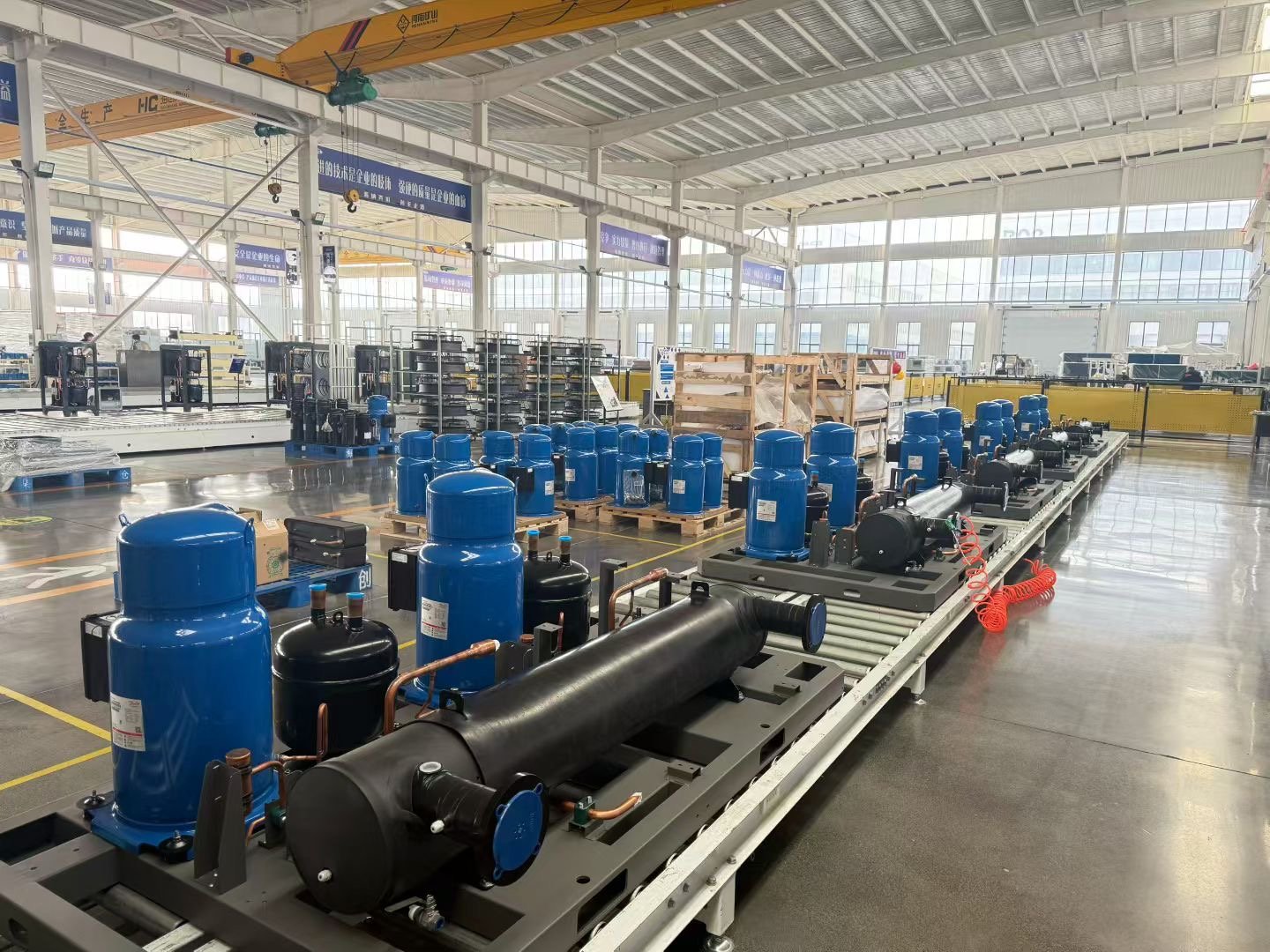
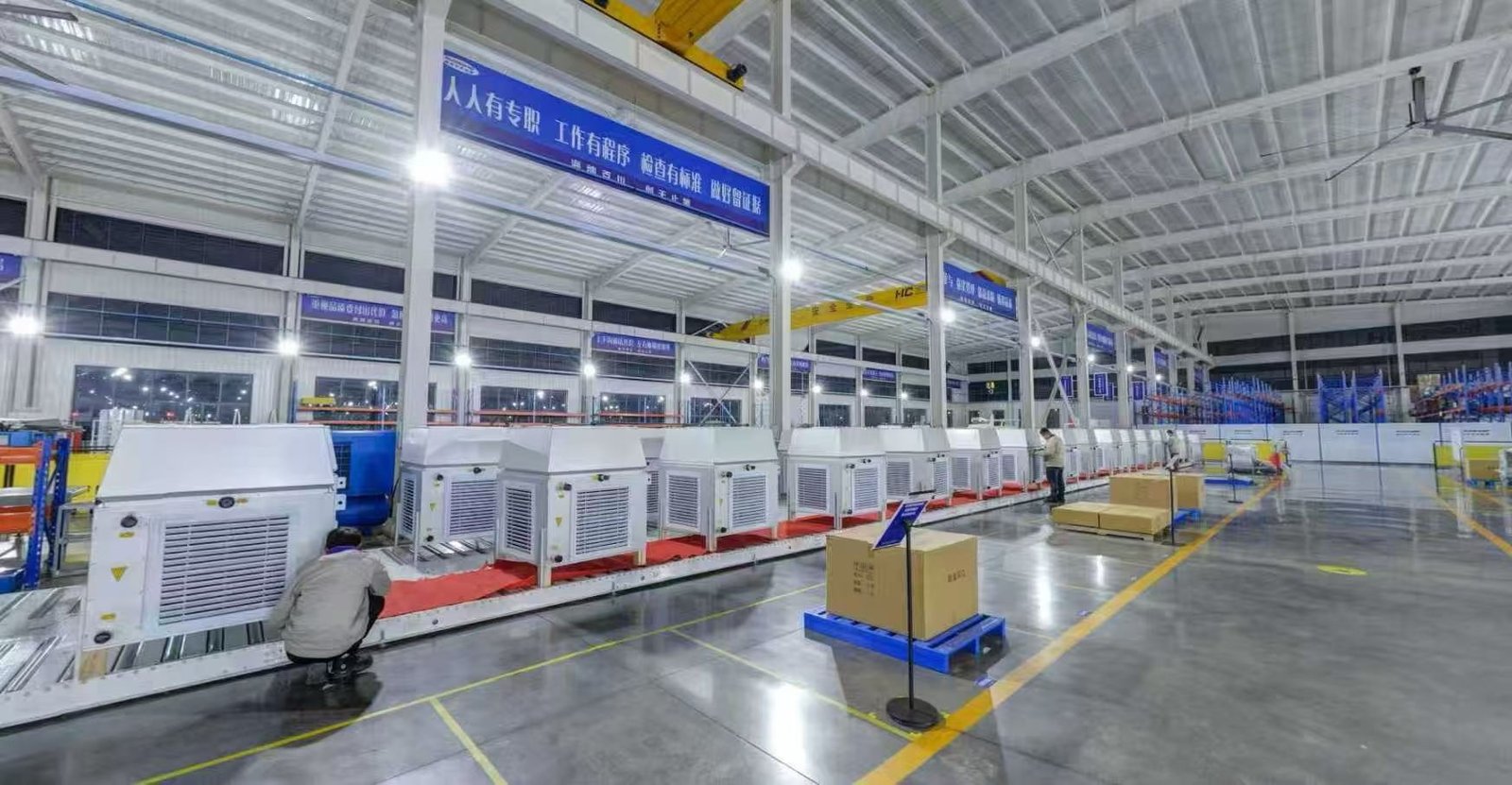
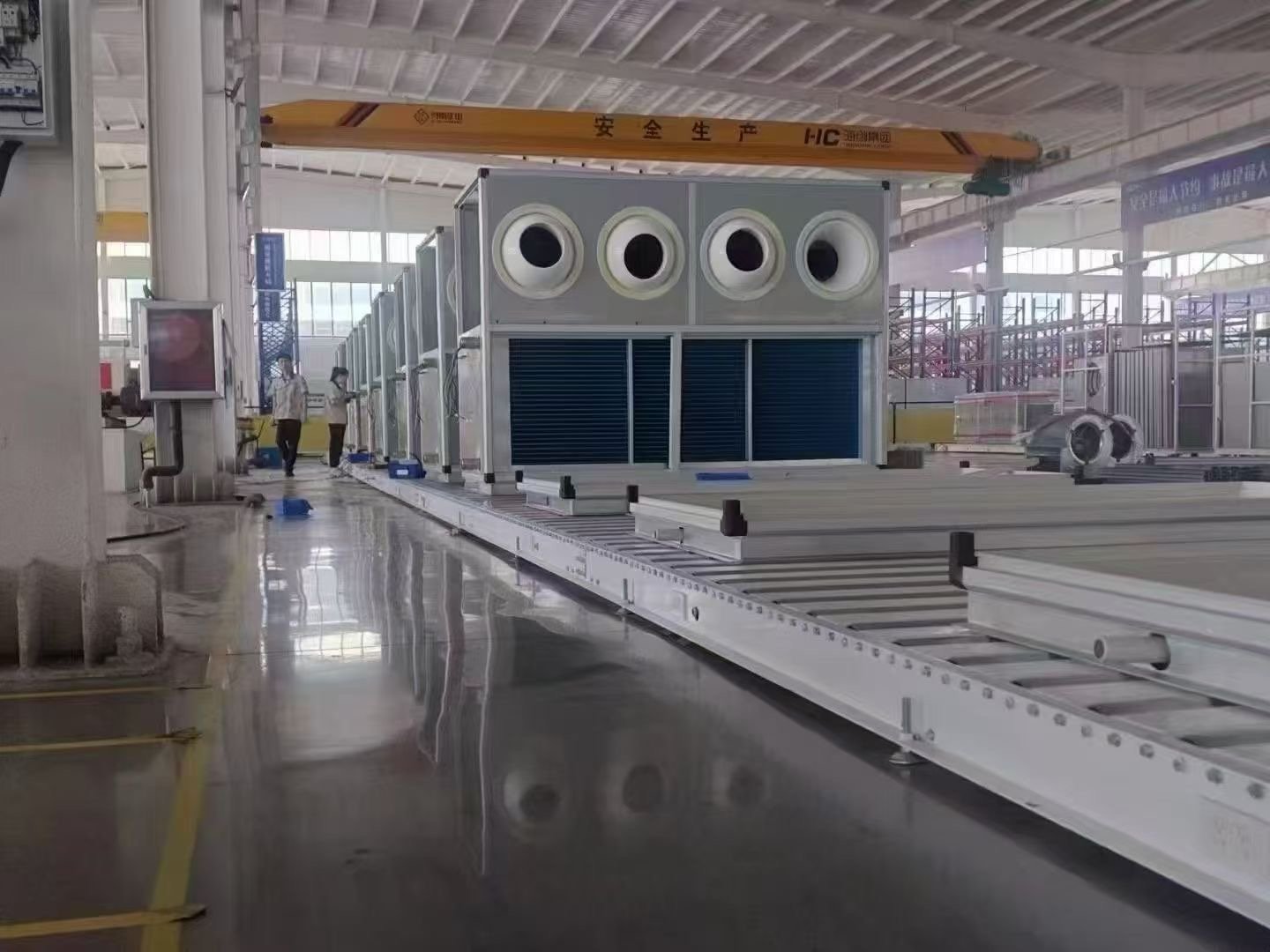
Visitors to SongXin’s manufacturing facility witness end‑to‑end quality control:
All components pass entry quality checks for mechanical strength and corrosion resistance.
Each subsystem undergoes precision assembly under standardized torque and tolerance guidelines.
Every HVAC unit is tested for airflow, cooling capacity, and electrical safety under metro‑simulated load conditions.
Functional tests verify that fans and chillers operate reliably during emergency smoke extraction scenarios.
Engineers record each unit’s test data, ensuring accountability and easy future maintenance reference.
By maintaining these stringent practices, SongXin guarantees that every customer receives equipment meeting world‑class reliability and safety expectations.
SongXin’s commitment does not end when products leave the factory. We remain a lifelong partner supporting rail transit operators throughout system life.
Professional engineers assist in interpreting local ventilation standards and building codes.
SongXin offers operator training sessions covering routine inspection, fault diagnosis, and emergency control.
Centralized logistics ensure prompt delivery of consumables and critical replacements.
Periodic on‑site performance verification guarantees systems continue to meet energy and comfort objectives over time.
This partnership mindset transforms a product purchase into a sustainable collaboration dedicated to safe, efficient, and comfortable public transportation.

Reliable ventilation and temperature control are the unseen engines keeping metro systems safe, comfortable, and energy‑efficient. With its robust engineering background, safety‑driven design, and innovative smart technologies, SongXin HVAC Solutions for Rail Transit stand as a trusted choice for operators seeking dependable 24/7 performance.
From rush‑hour crowds to emergency smoke conditions, SongXin delivers systems built to last—ensuring optimal passenger experience and infrastructure protection at every station, tunnel, and control room.
Experience the synergy of reliability, safety, and sustainability that defines every SongXin HVAC Solution for Rail Transit.